How to Propagate Giant mountain aster?
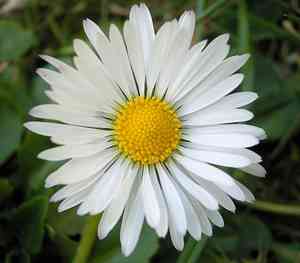
Giant mountain aster flourishes when reproduced via cuttings, a technique ideal for preserving the genetic characteristics of the original specimen. Cultivators ought to choose robust, non-blooming stalks for this purpose. These ought to be inserted into a potting blend that drains effectively, guaranteeing they obtain steady hydration and diffused illumination until root systems emerge. Attaining successful reproduction necessitates careful management of moisture levels and warmth to stimulate development.
When Is the Optimal Time to Propagate Giant Mountain Aster?
Propagation Method
Cutting
Propagation Period
Spring,Summer
What Implements Are Utilized for Giant Mountain Aster Propagation?
Sharp Pruning Shears
Crucial for obtaining clean, precise cuttings from giant mountain aster. Keen blades minimize harm to both the parent plant and the cuttings, fostering faster healing and root development. Quality shears prevent tissue crushing, which can otherwise lead to infections.
Rooting Hormone Powder
This powder stimulates root formation in giant mountain aster cuttings, enhancing the likelihood of successful propagation. Rooting hormones aid in quicker root establishment, vital for cuttings to develop into robust plants.
Clean Pots with Drainage Holes
Used for planting the prepared cuttings. Clean pots prevent disease transmission, while drainage holes are essential to prevent waterlogging, which can cause root rot in new giant mountain aster cuttings.
Sterile Potting Mix
Offers a pathogen-free environment for giant mountain aster cuttings to root. The mix should be light and well-draining to support delicate new roots without suffocating them.
Plastic Covers or Mini Greenhouses
These create a humid atmosphere around new cuttings, helping to prevent moisture loss and providing a stable environment for giant mountain aster cuttings to root. The cover should be transparent to allow light to reach the cuttings while maintaining high humidity.
How to Propagate Giant Mountain Aster?
Propagation Type
Easy
How to Care for Your Newly Propagated Giant Mountain Aster?
How to Care for Your Newly Propagated Giant Mountain Aster?
Post-propagation, gradually acclimate giant mountain aster to less humid conditions by periodically removing the plastic bag. Once cuttings are well-rooted, typically in 3-4 weeks, begin hardening off the plants by exposing them to outdoor conditions for a few hours daily, progressively increasing their outdoor time. This prepares them for eventual planting in their permanent spot. Giant mountain aster thrives in well-drained soil and full sun to partial shade, requiring consistent watering, especially during dry periods, and benefits from a slow-release fertilizer applied in early spring.
Common Errors to Avoid When Propagating Giant Mountain Aster
Overwatering
Excessive moisture can lead to root rot in giant mountain aster, which is detrimental as the plant's root system is susceptible to fungal infections in stagnant, waterlogged conditions. This can hinder the plant's ability to absorb nutrients and water, crucial for its growth and propagation.
Using nutrient-rich soil
While it may seem beneficial, highly fertile soil can cause giant mountain aster to produce abundant foliage at the expense of blooms. This plant thrives in less fertile conditions, which encourage better flowering.
Neglecting division timing
Dividing giant mountain aster too often can stress the plant, resulting in weaker overall growth and reduced flowering. It's important to allow the plant time to recover and establish between divisions.
Advice For Propagating Giant Mountain Aster
Proper soil preparation
Prepare well-draining soil mixed with sand or perlite for giant mountain aster, as it prefers not to sit in damp conditions. Adequate drainage is crucial to preventing root diseases and promoting healthy growth.
Division technique
Propagate giant mountain aster by division to maintain its vigor. Carefully separate the root clumps using a sharp knife or spade, ensuring each new plant has a healthy portion of roots and shoots. This method boosts propagation success by preserving established root systems.
Environmental considerations
Place newly propagated plants in a location that mimics giant mountain aster's native habitatâpartial shade with protection from intense afternoon sun. The right environment is key to reducing transplant shock and encouraging robust growth.



