The Giant mountain aster Plant Advantage: Maximizing Home and Office Appeal and Wellness
1
Giant mountain aster boosts soil quality by enhancing its composition and nutrient levels.
2
This species draws in pollinators, making it superb for fostering ecological diversity.
3
Its blossoms are aesthetically pleasing and can enhance the beauty of any outdoor space.
Why is Giant mountain aster a Valuable Plant?
Ecological Contributions
Giant mountain aster plays a vital role in maintaining environmental equilibrium. It offers crucial resources to various pollinators like bees, butterflies, and other beneficial insects. These pollinators, in turn, assist in the fertilization of numerous other plants in your garden.
Soil Health Enhancement
A primary advantage of cultivating Giant mountain aster is its capacity to improve soil quality. The plant's root system helps prevent soil erosion, and as it decays, it adds organic matter to the soil. This process not only enriches the soil with nutrients but also enhances its structure, making it more fertile and suitable for other plant species.
How Can Giant mountain aster Enhance Your Garden's Beauty?
Visual Appeal
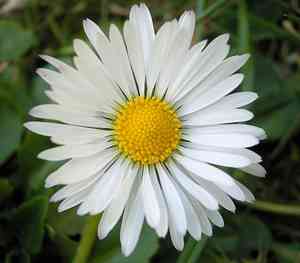
Giant mountain aster is renowned for its graceful and charming blossoms that can introduce a touch of natural splendor to any garden. These flowers appear in shades of purple and blue, creating a striking visual impact that can serve as a focal point in any landscape design.
Seasonal Interest
What distinguishes Giant mountain aster from other plants is its ability to provide allure throughout the entire growing season. From its attractive spring foliage to its vibrant summer and autumn blooms, Giant mountain aster ensures your garden remains visually captivating year-round.
How to Grow Giant mountain aster in Your Garden?
Optimal Growth Conditions
Giant mountain aster thrives in well-drained soils with moderate moisture. It prefers locations with full sun to partial shade. When planting, ensure the soil is nutrient-rich and has good drainage to promote vigorous growth.
Care Recommendations
Maintaining Giant mountain aster is relatively straightforward. Consistent watering, especially during dry spells, and occasional fertilization can ensure robust development. Pruning spent flowers can encourage further blooming and prevent the plant from becoming too leggy.
Can Giant mountain aster Support Local Biodiversity?
Wildlife Attraction
By planting Giant mountain aster, you contribute to the local ecosystem. The plant serves as a crucial source of nectar for various pollinators, supporting their populations. This, in turn, promotes the growth and health of other plants in your surroundings.
Fostering a Balanced Ecosystem
Incorporating Giant mountain aster into your garden helps create a balanced ecosystem. By attracting pollinators and other beneficial insects, Giant mountain aster aids in natural pest control, reducing the need for chemical pesticides and fostering more sustainable gardening practices.
Are There Any Companion Plants for Giant mountain aster?
Compatible Species
Giant mountain aster pairs well with other native plants that flourish in similar conditions. Plants like coneflowers, black-eyed Susans, and goldenrods make excellent companions, creating a cohesive and visually pleasing plant community.
Design Suggestions
When designing your garden, consider placing Giant mountain aster alongside plants with contrasting foliage and flower colors. This not only enhances visual appeal but also maximizes ecological benefits by attracting a wider variety of pollinators.



