How to Prune Piedmont roseling?
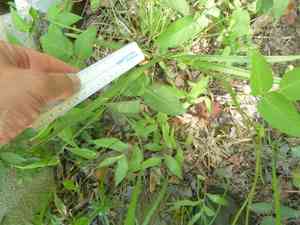
Piedmont roseling flourishes with consistent trimming, ideally carried out in late winter or early spring to foster vigorous development. Remove any deceased or injured stalks and manage its form and dimensions. Refrain from excessive cutting, as this may cause strain to the plant. Strategic pruning aids in preserving a neat look and stimulates sound new growth. Grasping these guidelines enables cultivators to enhance piedmont roseling's vitality and visual charm.
What Are the Benefits of Pruning Piedmont Roseling?
What Are the Benefits of Pruning Piedmont Roseling?
Piedmont roseling benefits from trimming by encouraging strong development and maintaining its form. Pruning helps manage its size, promotes dense foliage, and enhances overall appearance. Regular trimming also aids in resisting pests and diseases, making the plant healthier and more resilient.
What Is the Best Time for Pruning Piedmont Roseling?
What Is the Best Time for Pruning Piedmont Roseling?
Trimming piedmont roseling during early spring or late winter is optimal as it aligns with the plant's dormant phase and initial growth cycle. Pruning at this time helps minimize stress and allows for healthy regrowth as the active season commences. This timing also avoids disrupting flowering or fruiting, ensuring the plant can produce vibrant blooms during its peak season. Ensuring pruning during these periods promotes overall plant health and vigor.
What Tools Do I Need to Prune Piedmont Roseling?
Hand Pruners
Perfect for precise cuts on small stems and leaves, suiting piedmont roseling's delicate structure.
Bypass Pruners
These ensure clean cuts, minimizing harm to piedmont roseling's tender tissues, which promotes faster healing and reduces disease risk.
Sterilizing Solution
Essential to sanitize tools before pruning to prevent any potential disease transmission given piedmont roseling's vulnerability to infections.
Sharp Scissors
Useful for trimming finer parts and achieving a neat look without causing unnecessary damage to piedmont roseling.
How to Prune Piedmont Roseling
Inspect
Examine piedmont roseling thoroughly to identify any diseased or withered leaves. Use this step to ensure that only the necessary parts are targeted for pruning.
Prepare Tools
Use clean, sharp pruning shears or scissors. Disinfect the blades with alcohol to prevent the spread of disease.
Remove Diseased Leaves
Carefully trim diseased leaves close to the base of the stem. Ensure complete removal to prevent the disease from spreading.
Eliminate Withered Leaves
Cut back withered leaves, ensuring to trim just above the healthy part of the plant to encourage new growth.
Dispose
Properly dispose of all pruned material, particularly diseased leaves, by sealing them in a bag and discarding them to avoid contamination.
Common Pruning Mistakes with Piedmont Roseling
Over-pruning
Cutting back too much of piedmont roseling can stress the plant and reduce its ability to thrive. Removing more than one-third of its growth can lead to diminished health and decreased flowering.
Poor technique
Using dull or improper tools can result in jagged cuts, which may leave the plant susceptible to disease and pests. Clean, sharp pruning shears ensure a smooth cut.
Incorrect cuts
Cutting too close to the buds or leaving stubs can harm the plant's structure and growth. Itâs essential to make cuts at an angle, just above a leaf node or bud, to promote healing and new growth.
Pruning at the wrong time
Though specific seasons are not covered here, ensuring you do not prune while the plant is in bloom or during extreme weather conditions is crucial.
Common Pruning Tips for Piedmont Roseling
Use sharp and clean tools
Always use sharp, sterilized pruning shears to make clean cuts. This reduces the risk of disease transmission and promotes quicker healing.
Thin out crowded areas
Opening up the interior of piedmont roseling by removing inner stems improves air circulation, reduces disease risk, and encourages robust growth.
Target dead or diseased branches
Promptly remove any dead, damaged, or diseased parts of the plant to prevent the spread of diseases and pests.
Cut at the right angle
Make angled cuts just above a leaf node or bud, facing away from it. This encourages healthy new growth and directs water away from the cut to minimize the risk of rot.
Remove spent flowers
For continuous blooming, snip off spent flowers. This keeps piedmont roseling looking tidy and encourages more blossoms.



