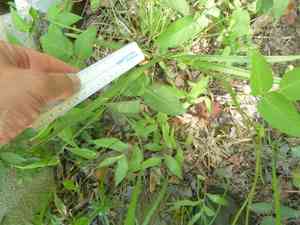
Piedmont roseling (Callisia rosea)
Also known as: Basket Plant, Lady's Tears
The plant you're referring to is likely the Piedmont Roseling (Callisia graminea). This charming, low-growing perennial flourishes in moist, shaded areas beneath the forest canopy. It features clusters of lush, green oval leaves and, in the summer, produces delicate pink to purplish flowers. Its creeping stems can root at the nodes, allowing it to form dense, attractive mats in its humid environment.
In This Article
Attributes of Piedmont roseling
Lifespan
Perennial
Plant Type
Herb
Plant Height
10 cm to 30 cm
Spread
20 cm to 30 cm
Leaf Color
Green with purplish undersides
Flower Size
0.5-1 cm
Flower Color
White to pink
Images of Piedmont roseling
Quickly Identify Piedmont roseling
1
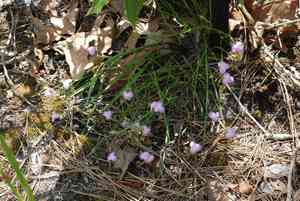
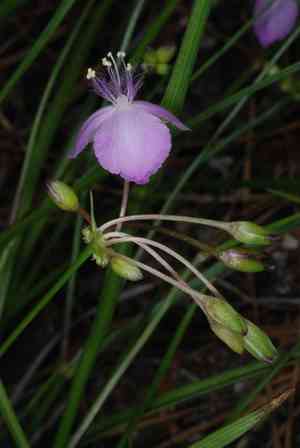
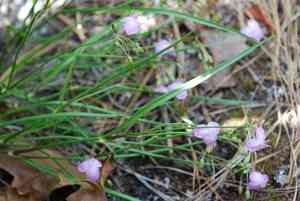
Delicate rosy flowers with three rounded petals, less than 1 inch (2.5 cm) wide.
2
Slender stems with grass-like leaves reaching 6 inches (15 cm) in length.
3
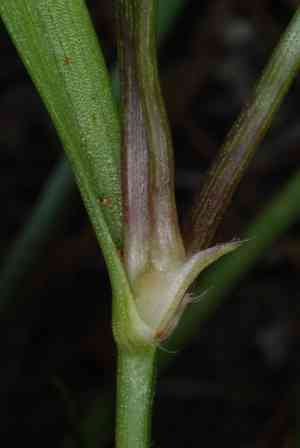
Fine, narrow leaves with basal sheaths equal in width to flattened blades.
4
Small light-green fruit capsule that splits post-maturation for seed dispersal.
5
Smooth stems, 0.1 to 0.3 inches (0.25 to 0.75 cm) in diameter, often light reddish.
Scientific Classification of Piedmont roseling
Phylum
Vascular plants
Class
Monocotyledons
Order
Commelinales
Family
Spiderwort
Genus
Roselings
Species
Piedmont roseling
Planting and Growing of Piedmont roseling
Care Difficulty
Easy
Watering Schedule
Every 2 days
Sunlight Requirements
Partial sun
Sunshine Duration
4-6 hours
Ideal Temperature
65-75℉
Soil Type
Potting Mix, Peat Mix
Soil pH
6.5-7.5
Fertilizer Type
Balanced
Pruning Season
Spring, Summer
Pruning Area
Branches, Leaves
Pruning Frequency
2 times a year
Repotting Season
Spring
Pot Type
Plastic, Ceramic
 How to Water Piedmont roseling?
The watering amount for Callisia rosea should be enough to moisten the soil thoroughly, but not so much that it becomes waterlogged. Generally, 250 ml per watering session will suffice. This ensures that the roots receive adequate moisture while preventing issues like root rot. It’s crucial to let the top inch of the soil dry out between waterings to mimic the plant's natural climate conditions.
What are the symptoms of an underwatered Piedmont roseling?
›
What should I do if my Piedmont roseling is not getting enough water?
›
What are the symptoms of an overwatered Piedmont roseling?
›
How to save an overwatered Piedmont roseling?
›
 What Are the Sunlight Requirements for Piedmont roseling?
Partial sun exposure provides the best growth environment for Callisia rosea, offering enough light for strong development without risking leaf burn from excessive sunlight.
What is the ideal lighting condition for Callisia rosea?
›
How can the ideal lighting condition be achieved for Callisia rosea?
›
What benefits does Callisia rosea gain from its ideal lighting conditions?
›
 What Is the Ideal Temperature Range for Piedmont roseling?
Callisia rosea thrives best in a temperature range of 65°F to 75°F. These conditions mimic its natural subtropical habitat, ensuring lush growth and vibrant foliage. This temperature range minimizes stress, leading to healthier plants.
 What Soil is Best for Piedmont roseling?
Callisia rosea thrives in soil that offers excellent drainage, as it prevents waterlogging that could potentially cause root rot. Well-drained soil ensures the roots receive adequate oxygen and nutrients. This plant benefits from soil that is rich in organic matter. Nutrient-rich soil provides essential minerals and nutrients that promote robust growth and vibrant foliage in Callisia rosea. While good drainage is vital, the soil should retain enough moisture to keep the plant hydrated. This balance prevents dehydration and supports consistent plant health and growth.
 How to Fertilize Piedmont roseling?
For Callisia rosea, small amounts of fertilizer are sufficient, as over-fertilizing can lead to plant damage. Liquid fertilizations should be done with a diluted solution, no stronger than half the recommended concentration, ensuring the plant receives nutrients without risking root burn.
 How to Prune Piedmont roseling?
Look for areas where the plant appears leggy or overgrown. Focus on trimming back these shoots to encourage a bushier form. Remove any yellow or dead leaves to direct the plant's energy towards healthy growth. Make cuts at a slight angle just above a leaf node, ensuring that new growth will emerge from that point. This technique helps in achieving a more natural look and prevents stubby branches.
More About Pruning Techniques→
 How to Propagate Piedmont roseling plant?
1
Choose a healthy parent plant free of diseases and pests as it enhances the chances of successful propagation. A vigorous parent plant will provide robust cuttings or divisions that are more likely to root and thrive.
2
Take a cutting from the parent plant during the early spring to late spring months. Make sure the cutting includes at least two nodes and remove any excess leaves to minimize water loss through transpiration.
3
Dip the base of the cutting in rooting hormone before planting it into a well-draining potting mix. Keep the soil moist but not waterlogged, and place the pot in a warm, bright location out of direct sunlight.
 How to Repot Piedmont roseling plant?
1
Repot Callisia rosea when it's root-bound or shows stunted growth. If you notice roots emerging through drainage holes or spiraling at the bottom, it's time for a bigger pot. Repotting in spring or autumn allows the plant to settle in before extreme weather.
2
Select a pot that is 1-2 inches larger in diameter than the current one. Ensure it has drainage holes to prevent waterlogging, which can lead to root rot. The right pot size provides adequate space for root growth, promoting a healthier and more vigorous plant.
3
Use a well-draining potting mix, ideally one rich in organic matter. This type of soil ensures good moisture retention while preventing excess water from accumulating. The organic content provides essential nutrients, supporting plant health and vigor.



