How to Prune Hillyhock?
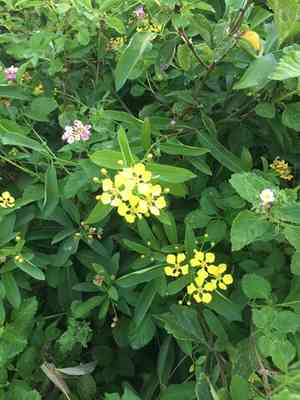
A tropical climbing plant recognized by its winged seed capsules, hillyhock thrives with judicious trimming to preserve its form and stimulate robust development. The ideal period for pruning is throughout its winter resting phase. Eliminate deceased or excessively long branches, making cuts at a 45-degree incline directly above leaf junctions. Consistently take out feeble stalks to boost air movement and light exposure, fostering abundant blooms. Trimming improves the plant's framework and vigor, leading to a hardier and more attractive example.
Advantages of Trimming Hillyhock?
Advantages of Trimming Hillyhock?
Trimming hillyhock promotes robust development by eliminating dead or weak branches, ensuring improved air circulation and light penetration. Consistent shaping helps maintain its desired form and compact structure, enhancing its visual appeal.
Optimal Time for Trimming Hillyhock?
Optimal Time for Trimming Hillyhock?
Trimming hillyhock in late winter or early spring is ideal as the plant remains dormant, minimizing stress and reducing disease risk from cuts. This timing also allows for removal of frost damage and shapes the plant for the upcoming season. Additionally, it prevents cutting off new growth vital for photosynthesis and energy. Pruning before active growth ensures quick recovery and a strong start for hillyhock's development, leading to better blooming or fruiting.
Required Tools for Trimming Hillyhock?
Hand Pruners
Perfect for making clean cuts on hillyhock's smaller stems and new shoots that don't require much force.
Pruning Saws
Recommended for cutting through hillyhock's thicker, woodier branches that hand pruners cannot handle, allowing for precise and controlled cuts without harming the plant.
Loppers
Useful for reaching higher or deeper into hillyhock due to their extended handles, which simplify pruning without disturbing other parts of the plant.
Gloves
Hand protection is crucial when trimming hillyhock, as it can prevent scratches and irritations from the plant's stems or any products used on cuts.
How to Trim Hillyhock
Sanitization
Sterilize your pruning tools with alcohol or a bleach solution to prevent disease spread to hillyhock.
Identification
Inspect hillyhock closely to find dead or diseased branches. Look for branches that are brown, withered, or show signs of fungal infection, contrasting with healthy green growth.
Cutting Dead Branches
Using sharp, clean pruning shears, cut dead branches at their base where they meet healthy wood. Make cuts at a slight angle to allow water runoff and prevent rot.
Cutting Diseased Branches
Remove diseased branches by cutting well into the healthy tissue below the affected parts to ensure all infected material is gone. Dispose of diseased material immediately to prevent contamination.
Cleanup
Clear all debris from around hillyhock's base to lessen the chance of disease and pests. Properly discard pruned material, especially if diseased, to avoid reinfection.
Common Trimming Errors with Hillyhock
Overpruning
Removing too much foliage, which can stress hillyhock and impede its ability to photosynthesize and grow properly.
Improper cut location
Making cuts too far from a bud, which can result in unsightly stubs and potential entry points for pests or disease.
Using dull tools
Ineffectiveness caused by dull pruning tools, which can damage hillyhock's stems, increasing the risk of disease.
Neglecting tool hygiene
Ignoring the importance of disinfecting tools before use on hillyhock may spread disease from one plant to another.
Inadequate clean up
Failing to remove all pruned material from around hillyhock can attract pests and encourage disease.
Ignoring plant structure
Trimming without understanding hillyhock's natural growth habits may lead to a loss of the plant's aesthetic form and vigor.
General Trimming Advice for Hillyhock
Identifying healthy growth
Focus on removing only dead or diseased growth to avoid hindering healthy development.
Cutting angle
Make clean, angled cuts just above buds to encourage optimal new growth.
Tool choice
Select sharp, appropriately sized tools for making precise cuts on hillyhock.
Disinfecting tools
Regularly clean and disinfect tools to prevent transmitting diseases while trimming hillyhock.
Follow natural shape
Trim in a way that promotes and maintains hillyhock's natural shape and structure.
Proper disposal
Ensure all removed material is disposed of correctly to prevent issues with rot and fungal diseases near hillyhock.



