
Hillyhock (Callaeum macropterum)
Also known as: Butterfly Pea Vine, Gallintia
The vine you're referring to is likely the Hillyhock (Callaeum macropterum). This perennial twining vine typically reaches lengths of 4.5 to 9 meters. It features yellow flowers with delicate, ruffled edges that bloom from late spring to early fall, attracting bees. It also produces winged seeds that resemble butterflies. For best growth, plant it in full sun with well-drained soil.
In This Article
Attributes of Hillyhock
Lifespan
Perennial
Plant Type
Tree, Shrub
Plant Height
4.5 m to 6 m
Spread
5 m to 6 m
Leaf Color
Green
Flower Size
2.5 cm
Flower Color
Yellow
Images of Hillyhock
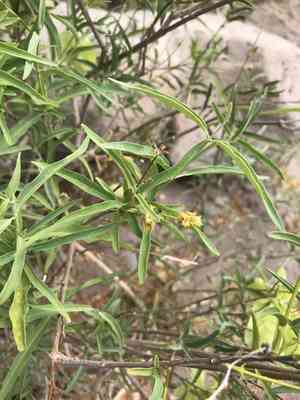
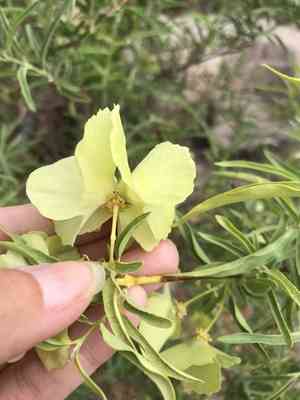
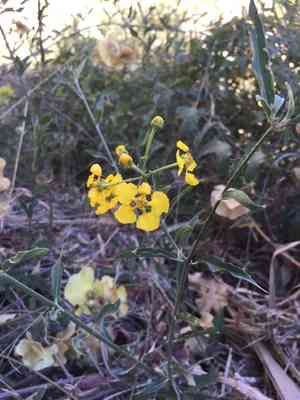
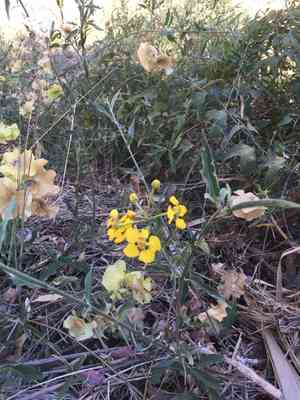
Quickly Identify Hillyhock
1
Identify Callaeum macropterum by its winged stems, yellow trumpet-shaped flowers, and glossy green leaves. The wing-like structures on the stems are a distinctive feature.
Scientific Classification of Hillyhock
Phylum
Vascular plants
Class
Dicotyledons
Order
Malpighiales
Family
Barbados cherry
Genus
Callaeum
Species
Hillyhock
Planting and Growing of Hillyhock
Care Difficulty
Easy
Watering Schedule
Every 2 days
Sunlight Requirements
Full sun
Sunshine Duration
4-6 hours
Ideal Temperature
70-85℉
Soil Type
Potting Mix, Peat Mix
Soil pH
6.5-7.5
Fertilizer Type
Balanced
Pruning Season
Spring, Summer
Pruning Area
Branches, Leaves
Pruning Frequency
2 times a year
Repotting Season
Spring
Pot Type
Ceramic, Plastic
 How to Water Hillyhock?
For Callaeum macropterum, water approximately 500 ml per session. Ensure that you water until the soil feels uniformly damp but not waterlogged. Use your fingers to check soil moisture down to a depth of about 2 inches. The water should penetrate the soil, reaching the plant roots without pooling at the surface.
What are the symptoms of an underwatered Hillyhock?
›
What should I do if my Hillyhock is not getting enough water?
›
What are the symptoms of an overwatered Hillyhock?
›
How to save an overwatered Hillyhock?
›
 What Are the Sunlight Requirements for Hillyhock?
The ideal light range for Callaeum macropterum involves a blend of partial to full sun, allowing it to harness solar energy for optimal growth and vibrant blooming.
More About Sunlight Requirements Techniques→
How much light does it need?
›
What are the solutions for ideal lighting?
›
What are the benefits of proper lighting?
›
 What Is the Ideal Temperature Range for Hillyhock?
Callaeum macropterum thrives best in temperatures ranging from 70°F to 85°F. Within this range, the plant can effectively undergo photosynthesis, absorb nutrients, and produce vibrant foliage and blooms. Temperature consistency within this range promotes steady growth, and avoiding fluctuations helps in reducing stress, ensuring the health of the plant.
 What Soil is Best for Hillyhock?
Callaeum macropterum thrives in well-drained soils. This ensures the roots are not waterlogged, which can lead to root rot. A well-draining soil structure promotes aeration and healthy root development, essential for optimal growth. This plant prefers a soil medium with moderate nutrient content. It benefits from balanced nutrition that supports robust foliage and flower production. Ensuring a steady supply of nutrients prevents deficiencies and boosts plant vitality. While good drainage is vital, the soil should retain adequate moisture to sustain the plant through dry spells. This balance helps the plant maintain consistent growth and prevents stress from drought conditions.
 How to Fertilize Hillyhock?
Callaeum macropterum thrives best with a balanced approach to fertilization. When using liquid fertilizers, aim for a concentration around half the recommended strength. For solid fertilizers, a light application is sufficient; over-fertilizing can harm more than help.
 How to Prune Hillyhock?
Begin by identifying dead or diseased branches and remove them with clean, sharp shears. Trim back any overly long or unruly branches to maintain a pleasing shape. Focus on encouraging outward-facing buds for a fuller, bushier appearance. For young Callaeum macropterum, pruning helps establish a strong framework. Regularly pinch the tips of stems to encourage branching in the early stages of growth, allowing the plant to develop a robust structure.
More About Pruning Techniques→
 How to Propagate Hillyhock plant?
1
Start by soaking the seeds of Callaeum macropterum in warm water for 24 hours to help soften the seed coat. This process improves germination rates by allowing water to penetrate the seed coat more effectively. After soaking, plant the seeds in a well-draining seed starting mix.
2
Select a healthy, non-flowering stem from the parent plant to take a cutting. Use sharp pruning shears to make a clean cut just below a node. Ideally, the cutting should be around 6-8 inches long and have at least two sets of leaves.
3
Once the cuttings are obtained, dip the cut end in rooting hormone to encourage root development. Plant the cutting in a pot filled with a moist, well-draining potting mix. Cover the pot with a clear plastic bag to maintain humidity, and place it in indirect sunlight.
 How to Repot Hillyhock plant?
1
Observe for signs such as roots emerging from the drainage holes, slowed growth, or compacted soil. These indicate it's time for repotting. Typically, the active growing phase in spring or autumn is the ideal time to repot Callaeum macropterum.
2
Select a pot slightly larger than the current one, with adequate drainage holes. The right size prevents waterlogging and supports root growth, while good drainage prevents root rot and other hydration issues.
3
Opt for a well-draining, slightly sandy potting mix. This combination provides ample aeration and drainage, crucial for preventing waterlogged conditions that could lead to root rot and other issues related to overwatering.
Toxicity
Ingestion
WARNING
The judgment on toxicity and danger is for reference only. We DO NOT GUARANTEE any accuracy of such judgment. Therefore, you SHALL NOT rely on such judgment. It is IMPORTANT TO SEEK PROFESSIONAL ADVICE in advance when necessary.
Learn More About Hillyhock Diseases
Anthracnose
Bacterial Leaf Spot
Bacterial Soft Rot
Crown Gall
Damping-off
Downy Mildew
Drought Stress
Fusarium Wilt
Gray Mold
Leaf Curl
Leaf Spot
Mosaic
Nutrient Deficiency
Nutrient Toxicity
Powdery Mildew
Root Rot
Root-knot Nematode
Rusts
Sooty Mold
Spider Mites
Temperature Stress
Thrips Damage
White Mold



