The Hillyhock Plant Advantage: Maximizing Home and Office Appeal and Wellness
1
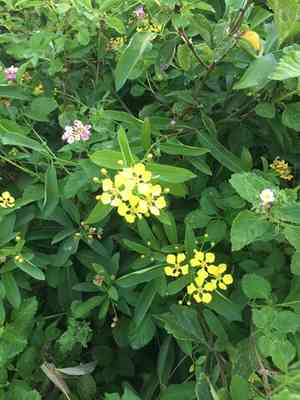
Hillyhock is recognized for its bright yellow flowers.
2
Its robust root structure enables this plant to aid in preventing soil degradation.
3
Hillyhock draws in numerous pollinators, thereby fostering local ecological diversity.
What Makes Hillyhock Special?
Unique Aesthetic Appeal
A primary reason Hillyhock stands out is its striking yellow blooms. These flowers not only add vibrant color to gardens and landscapes but also attract various pollinators. The long-lasting blossoms ensure your garden stays lively for a significant portion of the year.
Support for Biodiversity
Another notable characteristic of Hillyhock is its role in fostering local biodiversity. The plant draws in bees, butterflies, and birds, crucial for pollination and ecosystem health. By planting Hillyhock, gardeners help create a sanctuary for these vital species, thereby boosting the biodiversity of their local surroundings.
How Does Hillyhock Improve Soil Health?
Soil Stabilization
Hillyhock's root system is strong and extensive, offering excellent soil stabilization. This feature is especially useful for areas prone to erosion, such as slopes and hillsides. The plant's roots help anchor the soil, preventing it from washing away during heavy rainfall.
Nutrient Enrichment
Beyond preventing erosion, Hillyhock also aids in enriching the soil. As the plant matures, it sheds leaves and other organic matter, which decomposes and returns nutrients to the soil. This natural process boosts soil fertility, making it more favorable for other plants to thrive alongside Hillyhock.
Why Should Gardeners Consider Hillyhock?
Low Maintenance
One of Hillyhock's most appealing aspects is its minimal maintenance needs. The plant is drought-tolerant and resilient, making it an excellent choice for gardeners seeking a beautiful yet easy-to-care-for addition to their landscape. Its ability to flourish with little water and attention means it can thrive even in less-than-ideal conditions.
Multifunctional Usage
Beyond its ecological advantages, Hillyhock is also highly adaptable in its applications. Its vibrant flowers make it a popular option for ornamental gardening. Furthermore, its hardy nature allows it to be used in various landscaping projects, from ground covers to border plants. This versatility makes Hillyhock a valuable asset to any garden.
What Are the Environmental Benefits of Hillyhock?
Erosion Control
As previously noted, Hillyhock excels at controlling soil erosion. Its deep root system helps secure loose soil, making it an ideal plant for unstable terrains. By preventing erosion, Hillyhock also helps maintain the quality of nearby water bodies, as less sediment flows into streams and rivers.
Climate Resilience
With climate change being an increasingly urgent concern, Hillyhock's resistance to various environmental stresses is significant. The plant's capacity to survive in arid conditions and its low water requirements position it as a sustainable choice for landscapers and environmentalists aiming to create more resilient ecosystems.
How to Cultivate Hillyhock in Your Garden?
Optimal Growth Conditions
To successfully grow Hillyhock, understanding its preferred conditions is crucial. The plant thrives in well-drained soil and full sunlight but can also tolerate partial shade. Although drought-resistant, occasional deep watering can help the plant develop stronger roots.
Planting Tips
When planting Hillyhock, ensure adequate spacing to accommodate its mature size and promote good air circulation. This helps prevent potential fungal issues. Mulching the plant's base can help retain soil moisture while suppressing weeds. Pruning old or spent flowers can encourage new growth and maintain the plant's vigor.
What Are the Community Advantages of Growing Hillyhock?
Educational Opportunities
Cultivating Hillyhock offers numerous educational benefits, especially for young gardeners and community groups. Observing the plant's interactions with its environment can provide valuable insights into ecological relationships and the importance of biodiversity. Community gardens featuring Hillyhock can serve as living classrooms, fostering a deeper appreciation for nature.
Beautification Projects
In public areas, Hillyhock can play a key role in beautification initiatives. Its bright flowers and robust nature make it an excellent candidate for community parks, roadside plantings, and other public green spaces. By incorporating Hillyhock, communities can create inviting environments that promote well-being and aesthetic pleasure.



