How to Prune Mountain smallreed?
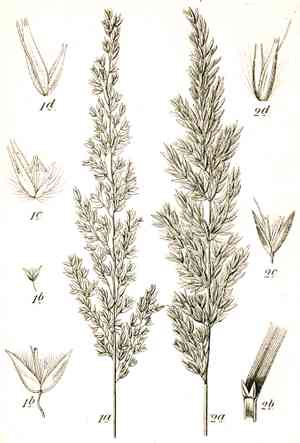
Mountain smallreed, a resilient perennial grass, flourishes in elevated regions, distinguished by its vigorous development and delicate stalks. Trimming mountain smallreed is best performed in late winter or early spring, prior to the emergence of new shoots, to preserve its form and encourage more robust, thicker leaves. Eliminate any withered or compromised stalks to improve air movement and light exposure, which are vital for its strong development. Consistent trimming also aids in controlling its expansion and reduces potential congestion in the garden.
What Are the Benefits of Pruning Mountain Smallreed?
What Are the Benefits of Pruning Mountain Smallreed?
Trimming mountain smallreed boosts its vitality and maintains its form, encouraging robust, healthy development. This prevents congestion and enhances air circulation, lowering susceptibility to pests and illnesses.
What Is the Best Time for Pruning Mountain Smallreed?
What Is the Best Time for Pruning Mountain Smallreed?
Trimming mountain smallreed during early spring and winter is ideal due to several aspects of its growth cycle and health. In early spring, mountain smallreed is just starting to resume active growth, making it a perfect time to shape the plant and remove any dead or damaged foliage without causing stress. This timing ensures the plant's energy is directed towards healthy new growth. Winter pruning is also advantageous as mountain smallreed is dormant during this period. Pruning at this time minimizes the risk of disease transmission and pest infestation, as both are less active in cold weather. Additionally, since the plant has yet to begin its growth cycle, winter pruning allows gardeners to better visualize and structure the plant's framework without leaf obstruction, leading to more precise cuts and healthier growth in the subsequent season.
What Tools Do I Need to Prune Mountain Smallreed?
Hand Pruners
Perfect for cutting and shaping smaller, thinner stems of mountain smallreed, offering precision and minimizing harm to plant tissues.
Grass Shears
Useful for trimming and maintaining the aesthetic appearance of mountain smallreed, particularly effective for precise cuts.
Scissors
Suitable for selectively removing dead or undesirable blades in smaller or less dense areas of mountain smallreed without stressing the plant.
How to Prune Mountain Smallreed
Clean tools
Before beginning the trimming process, clean and sanitize all pruning implements. This prevents the spread of diseases from infected plant parts to healthy ones.
Identify
Carefully inspect mountain smallreed for diseased and withered leaves. Look for leaves that appear discolored, dry, or show signs of fungal infection as these are the targets for removal.
Cut diseased leaves
Using sharp shears, cut off the diseased leaves at the base near the central clump of mountain smallreed. Ensure cuts are clean to facilitate quick healing and avoid tearing the plant's tissue.
Cut withered leaves
Similarly, remove any withered or dead leaves that are no longer green and vibrant. These are typically easier to spot and remove, and clearing them helps prevent potential pest infestations.
Dispose
Properly dispose of all removed leaves by burning them or placing them in a sealed bag. Do not compost these as diseases might spread in the compost pile.
Common Pruning Mistakes with Mountain Smallreed
Overpruning
A common error when trimming mountain smallreed is removing too much foliage at once. This can stress the plant, leading to stunted growth or reduced vigor.
Improper cut locations
Making cuts too far from the node, or cutting into the node itself, can harm mountain smallreed. Such errors often result in poor regrowth and may expose the plant to diseases.
Using dull tools
Utilizing dull pruning tools can cause jagged cuts that heal poorly and increase the risk of disease entry.
Common Pruning Tips for Mountain Smallreed
Sharp clean cuts
Always use clean, sharp tools to make precise cuts. This ensures healthier, quicker healing cuts which prevent disease.
Prune for shape
Maintain the natural form of mountain smallreed by selectively pruning to enhance its shape. Remove any misplaced, dead, or weak stems to promote better air circulation and sunlight exposure.
Encourage new growth
Focus on thinning rather than topping to encourage new growth from the base. Pruning should stimulate new, healthy shoots without sacrificing the plant's structure or density.



