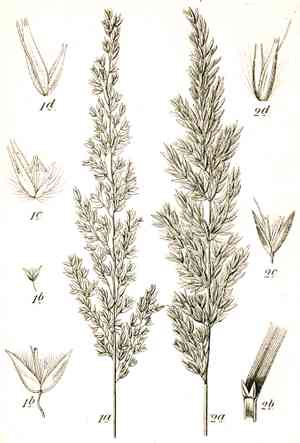
Mountain smallreed (Calamagrostis varia)
Also known as: Narrow Small-reed
This perennial, caespitose species has short rhizomes and erect culms ranging from 30 to 120 cm in height. The ligule is a 2 to 4 mm long, eciliate membrane, often lacerate and obtuse. The leaf-blades measure between 10 to 25 cm in length and 4 to 9 mm in width, with a glabrous surface at the base.
In This Article
Attributes of Mountain smallreed
Lifespan
Perennial
Plant Type
Grass
Plant Height
1.2 m
Spread
1.2 m
Leaf Color
Green
Flower Size
1-2 cm
Flower Color
Green, light pink, purple
Images of Mountain smallreed
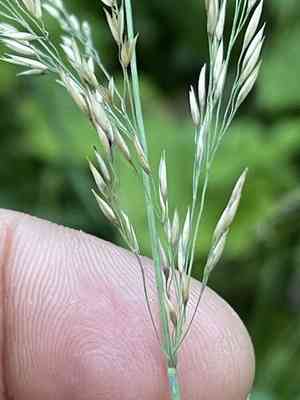
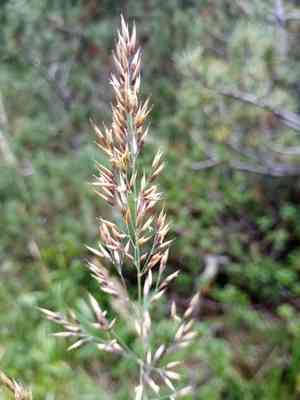
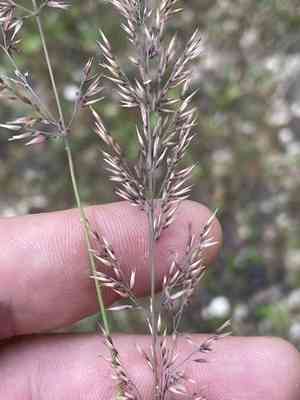
Quickly Identify Mountain smallreed
1
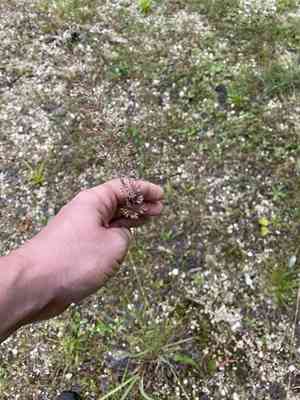
Calamagrostis varia can be identified by its narrow, reed-like leaves and its tall, slender flower spikes. The flower spikes are densely packed with small, feathery flowers that can range in color from green to light pink to purple. The plant\'s stems are typically unbranched and can grow up to 1.2 meters in height.
Scientific Classification of Mountain smallreed
Phylum
Vascular plants
Class
Monocotyledons
Order
Poales
Family
Grass
Genus
Reed grasses
Species
Mountain smallreed
Planting and Growing of Mountain smallreed
Care Difficulty
Easy
Watering Schedule
Every 2 days
Sunlight Requirements
Partial sun
Sunshine Duration
6-10 hours
Ideal Temperature
60-75℉
Soil Type
Potting Mix, Peat Mix
Soil pH
6.5-7.5
Fertilizer Type
Balanced
Pruning Season
Spring, Summer
Pruning Area
Branches, Leaves
Pruning Frequency
2 times a year
Repotting Season
Spring
Pot Type
Plastic, Ceramic
 How to Water Mountain smallreed?
For Calamagrostis varia, make sure to water until the soil is moist but not waterlogged. Each watering session should deliver approximately 500 ml to ensure healthy growth and avoid root rot.
What are the symptoms of an underwatered Mountain smallreed?
›
What should I do if my Mountain smallreed is not getting enough water?
›
What are the symptoms of an overwatered Mountain smallreed?
›
How to save an overwatered Mountain smallreed?
›
 What Are the Sunlight Requirements for Mountain smallreed?
Partial sun with 4 to 6 hours of light is perfect for Calamagrostis varia, ensuring optimal health and growth. This balance prevents stress and enhances flowering, making it a sturdy and appealing addition to any landscape.
What is the ideal light intensity for Calamagrostis varia?
›
How can I achieve the ideal lighting conditions for Calamagrostis varia?
›
What are the benefits of providing Calamagrostis varia with ideal lighting conditions?
›
 What Is the Ideal Temperature Range for Mountain smallreed?
Maintaining an ideal temperature range between 60°F and 75°F is crucial for the optimal growth of Calamagrostis varia. This range supports vital physiological processes such as photosynthesis and nutrient uptake, ensuring the plant thrives.
 What Soil is Best for Mountain smallreed?
Calamagrostis varia thrives in well-drained soil as it prevents root rot by allowing excess water to escape. This type of soil also tends to be nutrient-rich, benefiting the plant's growth and longevity. This plant prefers soils with moderate fertility. Such soil provides the necessary nutrients without overwhelming the roots, ensuring steady and healthy growth. While drainage is crucial, the soil should still retain some moisture. This balance is vital for Calamagrostis varia to maintain its lush appearance and to support its photosynthetic needs.
 How to Fertilize Mountain smallreed?
For Calamagrostis varia, apply a balanced liquid fertilizer at a concentration of half the recommended label rate. This ensures that the plant receives adequate nutrients without overloading its system, promoting healthy foliage and vigorous growth.
 How to Prune Mountain smallreed?
Gather sharp, sanitized pruning shears. Preparing your tools ensures a clean cut and prevents the spread of disease. Gently cut back the spent flower heads just above the foliage to maintain a neat appearance and encourage new growth. Shape the plant by trimming the outer edges lightly. This promotes a more compact and visually appealing structure. Carefully prune any brown or dead leaves from the base to encourage healthy new growth and air circulation.
More About Pruning Techniques→
 How to Propagate Mountain smallreed plant?
1
Select a well-draining soil mix to enhance germination rates. Mix it with a bit of compost for additional nutrients, ensuring the soil is loose to promote root development.
2
Sow Calamagrostis varia seeds 1/4 inch deep in the prepared soil. Lightly cover them with soil and gently water to keep the environment moist, facilitating germination.
3
Carefully dig up an existing plant in early spring, using a garden fork to minimize root damage. Use a sharp knife to separate the clump into smaller sections, making sure each has roots attached before replanting.
 How to Repot Mountain smallreed plant?
1
Calamagrostis varia signals its need for repotting when its roots start to crowd or circle around the pot edges. It may also show slowed growth or reduced vitality. Spring or summer, during the growing season, is ideal for repotting, as the plant can establish itself in new soil more effectively.
2
Select a pot that's one size larger than the current one, ensuring adequate space for root expansion. Opt for containers with drainage holes to prevent waterlogging and root rot. This choice enhances plant health by promoting better drainage and aeration.
3
Choose a well-draining potting mix enriched with organic matter. This soil mix supports healthy growth by providing essential nutrients and preventing water retention issues. It's crucial for balancing moisture and airflow around the roots.



