The Mountain smallreed Plant Advantage: Maximizing Home and Office Appeal and Wellness
1
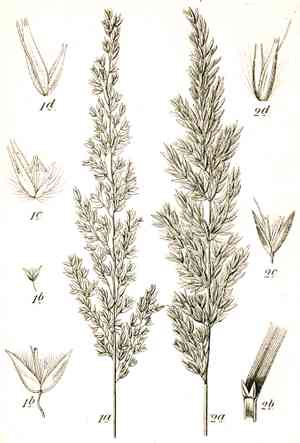
Calamagrostis varia is a adaptable grass species that flourishes in diverse ecological settings.
2
It serves a vital function in preventing soil degradation and aiding in ecosystem recovery.
3
Calamagrostis varia makes a superb decorative addition to landscapes, providing visual appeal throughout the seasons.
What Makes Mountain smallreed Distinctive?
Versatility Across Diverse Environments
Mountain smallreed is renowned for its remarkable adaptability, thriving in a broad spectrum of habitats. From high-altitude meadows to woodland clearings, this plant is equipped to endure varied climates and soil compositions. Its hardiness makes it an excellent option for areas where other flora might struggle to establish.
Contribution to Soil Stabilization
A key characteristic of Mountain smallreed is its capacity to stabilize soil, rendering it an invaluable asset in preventing erosion. The plant's extensive root network helps bind the earth, averting erosion on inclines and in regions susceptible to landslides. This attribute is particularly advantageous in restoration efforts where preserving soil integrity is vital.
Ecological Advantages of Mountain smallreed
Habitat Restoration and Biological Diversity
Mountain smallreed plays a crucial role in habitat restoration projects due to its rapid establishment and ability to offer shelter for various wildlife species. By cultivating Mountain smallreed, you're not only aiding soil stability but also fostering local biodiversity. The plant's dense growth creates an optimal environment for insects, birds, and small mammals.
Carbon Capture
Mountain smallreed aids in diminishing greenhouse gases by sequestering carbon. Through its photosynthetic process, the plant absorbs carbon dioxide from the atmosphere, storing carbon in its biomass and root system. This positions Mountain smallreed as an environmentally sound choice for eco-conscious gardeners and land managers.
Decorative Applications of Mountain smallreed
Aesthetic Appeal in Garden Design
Mountain smallreed is prized for its ornamental value, featuring elegant, plume-like inflorescences that introduce texture and movement to gardens. Its robust nature allows it to retain its beauty throughout the year, offering continuous visual interest. Whether utilized as a focal point or integrated into mixed plantings, Mountain smallreed enhances the visual charm of any landscape.
Minimal Upkeep Requirements
For gardeners seeking plants that demand little attention, Mountain smallreed is an ideal selection. It requires negligible care once established, needing only occasional watering and trimming. Its inherent resistance to pests and diseases further lessens the necessity for chemical interventions, aligning well with sustainable gardening practices.
Practical Uses in Landscaping and Horticulture
Forming Natural Barriers
Given its dense growth habit, Mountain smallreed can be employed to create natural screens and windbreaks in garden settings. This not only helps shield other plants from harsh weather conditions but also adds a structural element to garden layouts. The plant's height and form make it suitable for defining spaces and establishing privacy screens.
Supporting Pollinator Well-being
Mountain smallreed attracts a variety of pollinators, including bees and butterflies, making it a valuable addition to gardens that support these creatures. By supplying nectar and habitat, Mountain smallreed contributes to the health and sustainability of these vital organisms, fostering healthier overall ecosystems.



