How to Propagate Mountain smallreed?
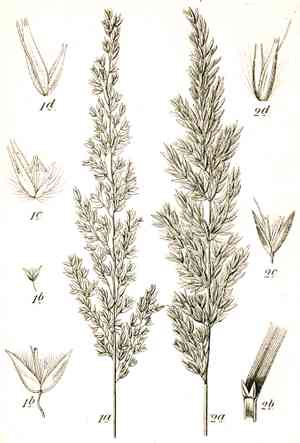
Calamagrostis varia typically flourishes most effectively when reproduced via separation. This technique entails dividing the root mass, preferably executed during a dormant phase of the plant to minimize strain. Gently detach the rootball into smaller portions, ensuring each possesses a healthy quantity of roots and emerging stems. Reinsert these segments at their initial planting depth and maintain consistent moisture to foster root development.
When Is the Best Time to Multiply Mountain Smallreed?
Method of Propagation
Separation
Propagation Period
Spring,Autumn
What Implements Are Utilized for Mountain Smallreed Propagation?
Garden Fork
A garden fork is crucial for separating mountain smallreed. This tool is employed to carefully lift the plant from the ground without severely harming its root structure. Its tines are perfect for loosening the soil and gently dividing the plant into smaller clusters, which is vital for successful mountain smallreed propagation.
Sharp Knife or Pruners
A sharp knife or pruners are essential for making clean cuts through the root ball of mountain smallreed during separation. It's important to make precise cuts to ensure minimal harm to the roots, encouraging healthier, faster plant recovery. This tool aids in accurately dividing the plant into desired sections, each with sufficient roots to establish independently.
Watering Can with a Fine Rose
After dividing mountain smallreed, it's crucial to ensure the newly propagated plants are well-hydrated to assist in their recovery and re-establishment. The fine rose attachment disperses water gently and evenly, preventing soil erosion around the delicate new root systems and providing necessary moisture without overwhelming the plant.
Transplanting Trowel
A transplanting trowel is useful for relocating divisions of mountain smallreed to their new spots or containers. Its narrow, pointed blade allows for more precise placement of the divisions, enabling a careful approach that minimizes disturbance to the new root sections. This tool helps ensure each division is planted at the correct depth, which is vital for the successful growth of mountain smallreed.
How to Propagate Mountain Smallreed?
Propagation Type
Simple
How to Care for Your Newly Propagated Mountain Smallreed?
How to Care for Your Newly Propagated Mountain Smallreed?
Following propagation, ensure mountain smallreed is kept in conditions that mimic its natural environment for optimal development. This includes partial to full sun exposure, well-draining soil, and moderate moisture. Monitor the plants for signs of stress or illness, and water regularly during dry periods to maintain consistent soil moisture. During the initial growing season, minimize weed competition and shield mountain smallreed from extreme temperatures with appropriate shading or mulching as needed.
Common Errors to Avoid When Propagating Mountain Smallreed
Overwatering
Excessive watering can lead to root decay in mountain smallreed, as it prefers soil that drains well. This error reduces the plant's oxygen absorption and increases susceptibility to diseases, hindering propagation success.
Poor division technique
Improper division of mountain smallreed's root clumps can harm the root system, impeding the plant's ability to establish and grow. A damaged root system struggles to absorb nutrients and water effectively.
Using overly dense soil
Planting mountain smallreed in compact soil can restrict root development and hinder water drainage, leading to poor root health. This compromises the plant's overall growth and propagation rate.
Advice For Propagating Mountain Smallreed
Proper soil preparation
Ensure the soil is loose and drains well to support mountain smallreed. This will facilitate root expansion and prevent waterlogging, creating an ideal environment for growth and reproduction.
Sharp tools for division
Use sharp, clean tools when dividing mountain smallreed to ensure precise cuts that promote faster healing and reduce the risk of disease transmission. Efficient cuts help maintain the health of both parent and offspring plants.
Adequate spacing during planting
Provide sufficient space between newly planted divisions of mountain smallreed to ensure proper air circulation and light penetration. This supports healthier growth and reduces competition for resources, enhancing propagation success.



