How to Prune Narrow small-reed?
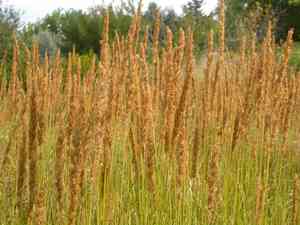
Recognized for its clustering growth pattern and delicate, upright stalks, Calamagrostis x acutiflora benefits from trimming in late winter or early spring. Sever any deceased or compromised stems close to the ground to stimulate fresh development. Periodically clear away aged leaves to sustain vitality and strength. Trimming improves visual appeal and prevents excessive density, which can lower the likelihood of illness. Regular pruning fosters a strong, neat look and aids peak development throughout the cultivation period.
Advantages of Trimming Narrow Small-reed
Advantages of Trimming Narrow Small-reed
Narrow small-reed thrives with pruning, promoting vigorous growth and shape retention. Trimming aids in eliminating dead or damaged foliage, encouraging healthy regeneration, and managing its size, ensuring a tidy look while preventing potential pest and disease issues.
Optimal Pruning Period for Narrow Small-reed
Optimal Pruning Period for Narrow Small-reed
Narrow small-reed should be pruned in early spring or winter, as these times align with its growth cycle. Early spring pruning prepares the plant for the upcoming growing season by removing any dead or damaged foliage, allowing for healthy new growth. Winter pruning, conversely, ensures narrow small-reed is dormant, reducing plant stress and minimizing sap loss. Additionally, these periods avoid the flowering and seeding phases, ensuring the plant directs its energy towards robust growth rather than recovery.
Required Tools for Pruning Narrow Small-reed
Hand Pruners
Perfect for cutting back stems in early spring to stimulate fresh growth. They offer precision and control, crucial for managing the size and form of narrow small-reed.
Grass Shears
Useful for trimming and shaping clumps without harming the plant. Grass shears are designed for comfort and ease when working with narrow, grass-like plants.
Long-handled Loppers
Effective for cutting thicker stems or dead clumps, especially after winter. Their long handles provide better leverage and reach for tougher sections.
Hedge Shears
Suitable for larger-scale pruning and maintaining an even, neat appearance. They help manage the overall size and structure of narrow small-reed.
Rake
Essential for removing cut stems and debris post-pruning. This ensures the area around narrow small-reed stays clean and healthy, preventing disease and pest problems.
How to Prune Narrow Small-reed
Inspection
Examine narrow small-reed thoroughly, focusing specifically on identifying diseased or withered leaves. Look for discoloration, spots, or any signs of decay.
Preparation
Gather necessary tools such as a pair of clean, sharp pruning shears. Ensure they are sanitized to avoid spreading any potential disease.
Removal
Carefully trim away diseased leaves first. Make cuts just below the affected area to ensure all infected tissue is removed, preventing further spread.
Clean-up
Proceed to trim away withered leaves. Cut at the base of the leaf where it meets the stalk, without damaging healthy parts of narrow small-reed.
Disposal
Collect all trimmed parts, and dispose of them properly. Do not compost diseased leaves to prevent the spread of disease. Clean and sanitize tools after use.
Common Pruning Errors with Narrow Small-reed
Excessive Pruning
Cutting back too much of narrow small-reed can stress the plant and hinder growth. Many gardeners, especially novices, might mistakenly remove more than necessary, believing it will boost growth.
Incorrect Technique
Using dull or unsuitable tools can cause jagged cuts, leading to increased vulnerability to diseases. Ensuring tools are sharp and appropriate is crucial.
Pruning at Wrong Heights
Cutting too low can damage the plant base, while cutting too high might result in an unattractive appearance and impede the natural growth form.
Neglecting Old Growth Removal
Failing to clean out dead or old growth can result in dense clumps that restrict airflow and light penetration, potentially fostering disease.
General Pruning Advice for Narrow Small-reed
Evaluate Before Cutting
Always examine narrow small-reed for dead or damaged stalks and remove these first. Clear out the old growth to make way for new, healthy shoots.
Utilize Proper Tools
Invest in a good pair of garden shears or scissors. Ensure they're clean and sharp to make precise cuts, minimizing the risk of disease.
Maintain Natural Form
Prune narrow small-reed to maintain its natural shape by removing spent flower heads and old foliage carefully without drastically altering its overall structure.
Moderate Trimming
Aim to trim only one-third of the plant's height. This approach promotes healthy regrowth and ensures the plant remains well-structured and vigorous.
Promote Airflow
By selectively thinning out denser sections, you can promote better airflow and light penetration, reducing the risk of diseases.



