How to Propagate Narrow small-reed?
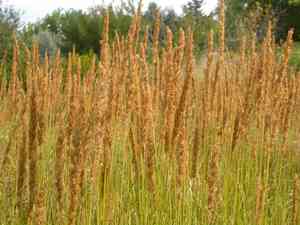
Calamagrostis stricta is a perennial herbaceous plant commonly located in damp areas and wet grasslands. It flourishes in adequately drained, rich soil with plentiful hydration. For reproduction, splitting is the favored technique. Gently divide the clusters in early spring and promptly re-establish them to preserve soil humidity. Verify that the new sections possess adequate root structure and position them at the identical depth as the initial cluster to encourage vigorous development.
What Is the Best Time To Propagate Narrow Small-reed?
Propagation Type
Splitting
Propagation Season
Spring,Autumn
What Tools Are Used in Narrow Small-reed Propagation?
Garden Fork
Utilized for gently lifting and loosening the earth around narrow small-reed to prevent root damage during division preparation.
Sharp Spade
Crucial for cleanly severing the root ball of narrow small-reed, ensuring minimal harm and stress to the plant.
Pruning Shears
Helpful for trimming away any dead or damaged roots from narrow small-reed after division, encouraging vigorous growth.
Hand Trowel
Aids in replanting divided sections of narrow small-reed, allowing for precise placement in new soil or containers.
Watering Can with Fine Rose
Delivers gentle and even hydration to newly divided narrow small-reed plants, assisting root establishment without displacing soil.
Rooting Hormone Powder
Promotes root development in divided portions of narrow small-reed, increasing propagation success by encouraging faster root growth.
Labeling Stakes
Assists in tracking and organizing divided clumps of narrow small-reed to monitor their development and identify their garden locations.
How to Propagate Narrow Small-reed?
Propagation Type
Simple
How to Care for Your Newly Propagated Narrow Small-reed?
How to Care for Your Newly Propagated Narrow Small-reed?
Post-propagation, maintain consistent moisture levels without over-saturating. Provide ample sunlight by positioning plants in a location with partial to full sun exposure. Regularly check for pests and diseases, and consider fertilizing in spring with a balanced, slow-release product. Prune any dead or damaged foliage to encourage healthy development. With proper attention, narrow small-reed will establish well and flourish in its new setting.
Common Mistakes to Avoid When Propagating Narrow Small-reed
Overwatering
Excessive moisture can lead to root decay and fungal infections, negatively impacting narrow small-reed's health and propagation ability.
Planting in Poor Soil
Using soil with insufficient drainage or nutrient content can impede narrow small-reed's growth and propagation.
Incorrect Light Conditions
Providing too much or too little light can stress the plant, affecting its capacity to thrive and propagate correctly.
Improper Division Techniques
Incorrectly separating root clumps can damage them, leading to reduced viability and slower propagation success.
Tips For Propagating Narrow Small-reed
Adequate Drainage
Ensure the soil drains well to prevent waterlogging and root rot, which is crucial for successful propagation.
Use Well-Draining Soil
Plant narrow small-reed in soil rich in organic matter with excellent drainage to support robust growth.
Optimal Light Exposure
Place narrow small-reed in a spot with appropriate sunlightâpreferably full sun to partly shaded areasâto enhance growth and propagation.
Proper Division Technique
When dividing, ensure each section has healthy roots and shoots. Use a sharp, clean tool to minimize damage and promote successful rooting.



