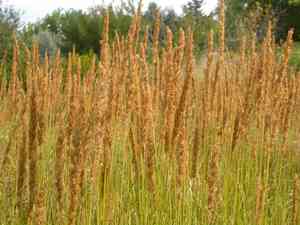
Narrow small-reed (Calamagrostis stricta)
Also known as: New england northern reedgrass, Bentgrass
The narrow small-reed, a slender perennial grass, excels in wet environments with its upright, clump-forming growth. Its narrow, green leaves and feathery flower spikes, which sway on sturdy stems, are distinctive features. The plant's extensive root system is crucial for soil stabilization in marshy areas, helping to prevent erosion. Its adaptability to waterlogged conditions and characteristic plumes make it easily recognizable.
In This Article
Attributes of Narrow small-reed
Lifespan
Perennial
Plant Type
Grass
Plant Height
30 cm to 91 cm
Spread
Approximately 0.3 meters
Leaf Color
Green
Flower Size
Small, less than 1 cm
Flower Color
Purplish to brown
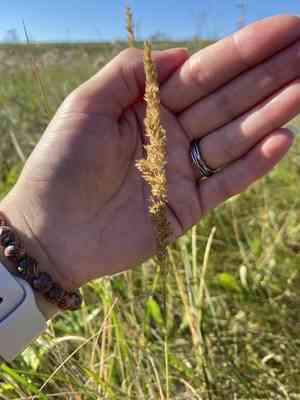
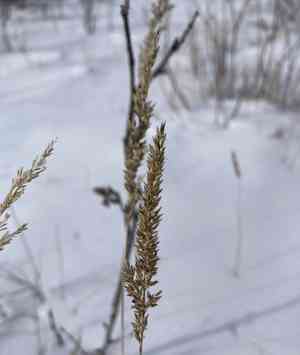
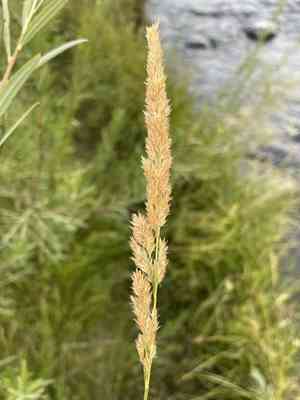
Images of Narrow small-reed
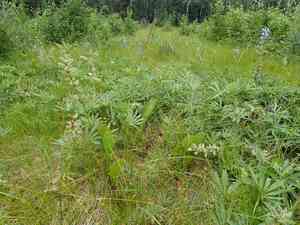
Quickly Identify Narrow small-reed
1
Look for tall, slender, erect stems that can reach up to 1.2 meters. The flower heads are narrow and can appear as tight clusters of spikelets atop the stems. Leaves are narrow, long, and tend to arch slightly.
Scientific Classification of Narrow small-reed
Phylum
Vascular plants
Class
Monocotyledons
Order
Poales
Family
Grass
Genus
Reed grasses
Species
Narrow small-reed
Planting and Growing of Narrow small-reed
Care Difficulty
Moderate
Watering Schedule
Every 3 days
Sunlight Requirements
Full sun
Sunshine Duration
6-8 hours
Ideal Temperature
55-75℉
Soil Type
Potting Mix, Peat Mix
Soil pH
5-7
Fertilizer Type
Balanced
Pruning Season
Spring, Summer
Pruning Area
Branches, Leaves
Pruning Frequency
2 times a year
Repotting Season
Spring
Pot Type
Plastic, Ceramic
 How to Water Narrow small-reed?
Calamagrostis stricta, commonly known as 'reed grass,' thrives best with a balanced watering approach. Aim for about 400 milliliters per watering session, ensuring that the soil is evenly moist but not waterlogged. A good rule of thumb is to water enough so that moisture reaches about 4 inches into the soil, which encourages deep root growth and maintains the plant’s health and vibrancy.
What are the symptoms of an underwatered Narrow small-reed?
›
What should I do if my Narrow small-reed is not getting enough water?
›
What are the symptoms of an overwatered Narrow small-reed?
›
How to save an overwatered Narrow small-reed?
›
 What Are the Sunlight Requirements for Narrow small-reed?
Calamagrostis stricta ideally requires full to partial sun, translating to approximately 6-8 hours of daily sunlight. This exposure ensures lush growth, robust flowering, and resistance to pests and diseases.
What is the best location for Calamagrostis stricta?
›
How can I ensure optimal sunlight for Calamagrostis stricta?
›
What benefits does ideal lighting bring to Calamagrostis stricta?
›
 What Is the Ideal Temperature Range for Narrow small-reed?
The ideal temperature range for growing Calamagrostis stricta is between 55 and 75 degrees Fahrenheit. This range allows the plant to thrive, ensuring healthy growth and optimal photosynthesis. Maintaining this temperature range minimizes stress on the plant, allowing it to establish and spread effectively in its environment.
 What Soil is Best for Narrow small-reed?
Calamagrostis stricta thrives in well-drained soils, which prevent waterlogging and root rot. Ensuring proper drainage facilitates healthy root development and enhances nutrient uptake, consequently boosting plant vigor and resilience. While well-drained, the soil should also be capable of retaining adequate moisture. This balance is crucial for maintaining the plant's hydration, especially during dry spells, and supports steady growth and lush foliage. A nutrient-rich soil fosters robust growth in Calamagrostis stricta, enhancing its aesthetic appeal. Amending the soil with organic matter like compost improves nutrient availability and soil structure, benefiting the plant's overall health.
 How to Fertilize Narrow small-reed?
For Calamagrostis stricta, the fertilizing amount should be moderate. Too much fertilizer can cause lush foliage with weak structural integrity. A general guideline is to use about 1/4 to 1/2 cup of balanced fertilizer per plant during the growing season.
 How to Prune Narrow small-reed?
Begin by assessing the plant's overall health and size. Use sharp, clean pruning shears to cut back any dead, damaged, or diseased stems to the ground. Next, trim back all remaining stems to about 4 to 6 inches above the ground. This stimulates fresh growth and keeps the grass looking tidy and robust throughout the season.
More About Pruning Techniques→
 How to Propagate Narrow small-reed plant?
1
Fill seed trays with a well-draining potting mix. Lightly moisten the mix before sowing the seeds to encourage germination and prevent seeds from washing away.
2
Sow the seeds evenly across the moistened potting mix and lightly cover them with additional soil. Maintain consistent moisture without over-watering as seeds germinate.
3
Carefully dig up the mature plant using a garden fork. Gently separate the root clump, ensuring each division has a healthy root system, then replant in prepared soil.
 How to Repot Narrow small-reed plant?
1
Calamagrostis stricta should be repotted when you notice the roots beginning to circle the inside of the pot or protruding from drainage holes. This indicates that the plant has outgrown its current container and needs more space to thrive. Additionally, if the soil appears depleted or doesn't retain moisture well, it might be time for a fresh start.
2
Select a pot that's just one size larger than the current one. This helps to prevent overwatering and ensures the roots have enough space to grow. The pot should have ample drainage holes to prevent waterlogging, which is vital for the health of Calamagrostis stricta. Opt for clay or terracotta pots; they help in evaporating excess moisture.
3
Opt for a well-draining, sandy loam soil mix. This type of soil ensures proper drainage while retaining essential nutrients, mimicking the plant's natural environment. The sandy texture prevents roots from becoming waterlogged, which could lead to root rot, ensuring optimal growth and vitality for Calamagrostis stricta.



