How to Prune Rough small-reed?
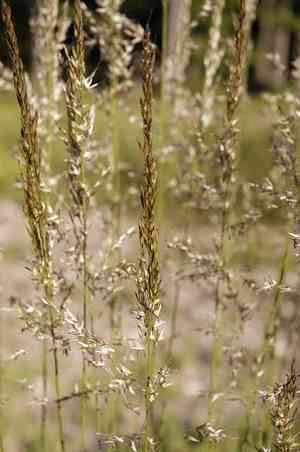
A resilient perennial grass, Calamagrostis acutiflora thrives with little attention. Trim in early spring or winter to eliminate aged leaves and stimulate new development. During this inactive phase, cut the entire plant down to soil level. Consistent clearing of deceased matter prevents accumulation of thatch and fosters robust, thick clumps. The advantages of trimming encompass improved air movement, reduced problems with pests, and preserving an appealing look. Refrain from pruning when damp to avert the dissemination of illnesses.
What Are the Benefits of Pruning Rough Small-reed?
What Are the Benefits of Pruning Rough Small-reed?
Trimming rough small-reed encourages robust development and preserves its attractive shape. Proper cutting revitalizes rough small-reed, leading to a denser, healthier clump and preventing excessive growth that can diminish its vigor.
What Is the Best Time for Pruning Rough Small-reed?
What Is the Best Time for Pruning Rough Small-reed?
For rough small-reed, trimming in early spring or late winter is optimal, just before new growth begins. This timing allows gardeners to remove dead or damaged foliage from the prior season without depleting the plant's energy reserves needed for new development. Pruning during these periods aligns with rough small-reed's dormant phase, reducing plant stress and avoiding the cutting of fresh shoots that emerge in spring. Additionally, the absence of leaves at this time offers better visibility for selectively removing specific plant parts. It also minimizes the risk of disease transmission, as pathogens are less active in colder weather.
What Tools Do I Need to Prune Rough Small-reed?
Hand Pruners
To selectively cut individual stems or remove dead foliage from rough small-reed, sharp hand pruners are appropriate. These enable precise cuts without causing unnecessary harm to the plant's structure.
Grass Shears
Perfect for shaping and trimming the edges of rough small-reed without harming nearby plants. Their long blades and easy handling make them effective for creating even, neat clumps.
Hedge Shears
For larger areas or for cutting back an entire clump of rough small-reed, hedge shears can be used to efficiently trim and shape the grass in bulk. They provide a clean, straight cut and are suitable for annual trimming tasks.
Powered Hedge Trimmers
If rough small-reed is planted in an expansive landscape area, a powered hedge trimmer can speed up the pruning process. It is recommended for extensive trimming tasks to achieve uniformity and save time.
How to Prune Rough Small-reed
Clean tools
Before starting, ensure all pruning tools are clean and sharp to prevent disease spread and make clean cuts on rough small-reed.
Identify diseased
Carefully inspect rough small-reed for diseased leaves, which may appear discolored, spotted, or malformed. Mark these for removal.
Trim diseased
Using precise pruners, carefully remove the diseased leaves by cutting their stems at the base where they meet healthy tissue, ensuring not to damage the surrounding foliage of rough small-reed.
Identify withered
Locate withered leaves on rough small-reed that are dry, brown, and dead, indicating they no longer benefit the plant's growth.
Trim withered
Cut the withered leaves at the base of their stems, being careful not to cut into the green, healthy parts of rough small-reed to maintain its vitality and appearance.
Common Pruning Mistakes with Rough Small-reed
Over pruning
Removing too much of rough small-reed can weaken the plant, lead to less vigorous growth, and potentially damage its structural integrity. Aim to remove no more than one-third of the total growth to maintain plant health.
Blunt tool use
Using dull or unclean pruning tools can result in jagged cuts that are more susceptible to disease and pest infestations. Always use sharp, sterilized tools when pruning rough small-reed.
Improper cut placement
Cutting too close or too far from the main stem or crown of rough small-reed can cause poor regrowth or introduce disease. Make precise cuts just above a bud or branching point.
Neglecting dead removal
Rough small-reed benefits from the removal of dead or damaged stems, and neglecting this can hinder new growth or lead to disease. Removing dead material should be an essential part of the pruning process.
Removing too little
Failing to remove sufficient material, especially old or non-vigorous stems, can result in a lackluster display and reduced flowering. Rough small-reed requires careful thinning to promote vigorous, healthy growth.
Common Pruning Tips for Rough Small-reed
Tool cleanliness
Sterilize pruning tools before and after use to prevent the spread of disease among your rough small-reed plants. Clean cuts made by sharp tools will heal faster and are less prone to infections.
Timing specificity
Even though the season for pruning is not discussed, pruning at the correct interval throughout the growing cycle is essential for maintaining the health and aesthetic of rough small-reed.
Crown clearing
Remove any crowded stems from the crown of rough small-reed to enhance air circulation. Improved air circulation helps prevent fungal diseases and promotes robust growth.
Directional pruning
Prune rough small-reed in a way that encourages growth in the desired direction. This technique helps maintain the plant's shape and ensures a more organized and attractive appearance.
Post pruning care
After pruning, provide rough small-reed with proper care, including adequate water and possibly a light application of balanced fertilizer to support recovery and new growth.



