The Rough small-reed Plant Advantage: Maximizing Home and Office Appeal and Wellness
1
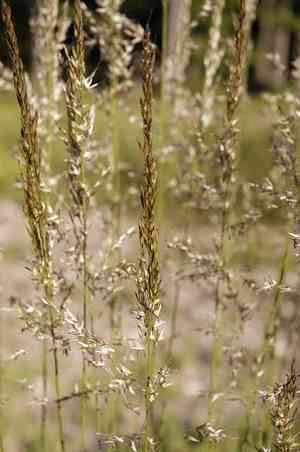
Calamagrostis brachytricha is an easy-to-care-for decorative grass perfect for diverse garden environments.
2
It provides continuous aesthetic appeal throughout the year due to its distinctive look.
3
This plant tolerates a range of soil compositions and climatic circumstances effectively.
What Makes Rough small-reed a Standout Ornamental Grass?
Visual Appeal
A key attribute of Rough small-reed is its aesthetic charm. This plant displays an elegant structure with its tall, slender foliage and delicate, plume-like flowers that gently sway with the breeze. The grass's coloration shifts throughout the seasons, presenting hues of green, golden-brown, and even hints of purple. This seasonal transformation offers continuous visual interest and beauty, making it a focal point in any garden or outdoor space.
Year-Round Interest
Rough small-reed provides allure beyond a single season. During spring and summer, its vibrant green leaves and subtle flower spikes bring a sense of airiness to garden designs. In autumn, the foliage adopts a warm golden tone, enriching the natural scenery with a burst of color. Even in winter, the dried flower heads and stems form an attractive outline against the snow, ensuring your garden remains captivating throughout the year.
How Easy is it to Grow and Maintain Rough small-reed?
Low Maintenance Requirements
A significant benefit of Rough small-reed is its minimal care demands. Once established, it requires little attention, making it perfect for busy gardeners or those new to decorative grasses. The plant tolerates dry conditions, reducing the need for frequent watering. Occasional trimming of dead growth in late winter or early spring keeps it neat and encourages robust new development.
Adaptability to Soil and Climate
Rough small-reed is recognized for its flexibility. It thrives in diverse soil types, from sandy to clay, and can withstand both moist and arid conditions. This makes it a versatile option for various garden environments, whether you have a well-drained, sunny spot or a more challenging, moisture-retentive area. Furthermore, Rough small-reed is resilient across a wide range of climates, enduring both hot summers and cold winters without significant issues.
What are the Ecological Benefits of Rough small-reed?
Supporting Wildlife
Incorporating Rough small-reed into your garden can aid local wildlife. Its dense clusters offer refuge and nesting materials for various bird species, while its blooms attract pollinators like bees and butterflies. This not only boosts biodiversity in your garden but also contributes to overall ecological well-being.
Erosion Control
The strong root system of Rough small-reed plays a vital role in stabilizing soil. Its extensive roots help to bind the earth, lessening erosion and runoff on inclines or in areas prone to soil degradation. This makes Rough small-reed an excellent plant for preventing soil loss, especially in landscapes with challenging topography.
Can Rough small-reed Enhance Landscape Designs?
Aesthetic Versatility
Rough small-reed offers remarkable aesthetic adaptability, fitting into various landscape styles from formal to naturalistic. Its elegant form and movement can soften hard surfaces, add vertical interest to flower beds, or create effective natural screens. It pairs well with other ornamental grasses, flowering perennials, and shrubs, allowing for imaginative and dynamic planting arrangements.
Use in Sustainable Landscaping
Beyond its beauty and ease of care, Rough small-reed is an asset in eco-friendly landscaping. Its drought tolerance and minimal need for chemical inputs align with sustainable gardening practices. By integrating Rough small-reed into your landscape, you can decrease water consumption and reliance on fertilizers or pesticides, fostering a more sustainable and environmentally conscious garden.



