How to Propagate Rough small-reed?
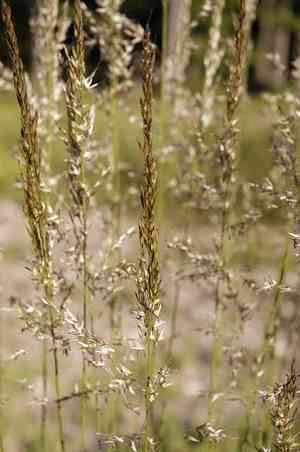
Calamagrostis scabra generally flourishes in damp conditions, rendering it well-suited for humid garden areas or locations adjacent to aquatic features. Reproduction is successfully accomplished via division, an uncomplicated method appropriate for inexperienced cultivators. This entails gently dividing the root masses during their inactive phases to guarantee minimal strain on the specimen. It is essential to sustain soil hydration and offer partial shade to the young plants until they are firmly rooted.
Optimal Period for Propagating Rough Small-reed?
Propagation Method
Splitting
Propagation Period
Spring,Autumn
Tools Required for Rough Small-reed Propagation?
Sharp Spade or Knife
A keen spade or a specialized garden blade is crucial for cleanly dividing rough small-reed's root masses without undue harm. The implement must be clean and sharp to ensure precise cuts, aiding in the plant's health and encouraging swift recovery and new growth. This reduces infection risk and promotes faster establishment of divided specimens.
Garden Fork
A robust garden fork is vital for gently loosening the soil around rough small-reed without damaging its root system. Its tines allow for careful lifting of plant clumps from the ground, minimizing root injury. This tool is especially beneficial given rough small-reed's root structure, ensuring the root mass is well-aerated and manageable during division.
Watering Can with Fine Rose
Post-transplantation, rough small-reed needs gentle watering to aid in its establishment. A watering can equipped with a fine rose attachment delivers a soft, even spray that won't disturb newly planted divisions. This helps settle the soil around the roots and lessens plant stress, fostering better root-to-soil contact.
Rooting Hormone (optional)
Though not compulsory, applying a rooting hormone can boost the success rate of rough small-reed propagation. It encourages quicker root development in new divisions, securing a stronger foundation for the propagated plants. This is particularly useful in poor soil conditions or when divisions appear weaker.
Mulch
Applying a layer of organic mulch around newly planted rough small-reed helps retain soil moisture and regulate soil temperature. This protection is essential immediately after propagation, as it supports root establishment and provides necessary nutrients as the mulch gradually breaks down.
How to Propagate Rough Small-reed?
Propagation Difficulty
Simple
Caring for Your Newly Propagated Rough Small-reed?
Caring for Your Newly Propagated Rough Small-reed?
After propagation, continue care by ensuring ample sunlight and water. Rough small-reed thrives in full sun to partial shade and requires consistent watering, especially during dry spells, to maintain moist soil. Annual mulching can help retain soil moisture and suppress weeds. Monitor for pests or diseases and treat as needed to keep rough small-reed healthy and vibrant.
Common Errors to Avoid When Propagating Rough Small-reed
Excessive watering
Providing too much water can lead to root rot and fungal issues in rough small-reed. These conditions impede root development, harming the plant's overall health and its ability to establish robustly.
Insufficient light exposure
When propagating rough small-reed, placing cuttings or seedlings in poorly lit areas can result in weak, stretched growth. This makes the plants less resilient and more vulnerable to stress and disease.
Incorrect soil mixture
Using a soil mix that is too compact or drains poorly can cause water to accumulate around rough small-reed's roots. This not only hinders proper root development but also increases the risk of root diseases.
Advice for Propagating Rough Small-reed
Appropriate moisture levels
Maintain consistent moisture when propagating rough small-reed but avoid waterlogging. Well-drained soil ensures oxygen reaches the roots, promoting healthy growth.
Adequate lighting
Ensure rough small-reed receives sufficient indirect sunlight during propagation. This helps promote vigorous growth and a healthier transition when moving young plants outdoors.
Use of rooting hormone
Applying a rooting hormone to rough small-reed cuttings can enhance root development, increasing the chances of successful plant establishment. This encourages stronger root systems more quickly.



