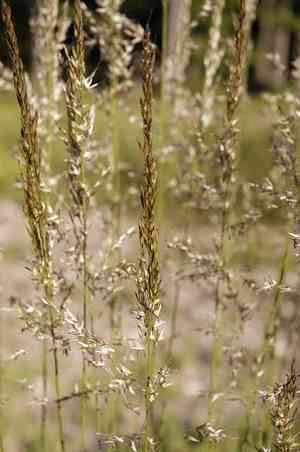
Rough small-reed (Calamagrostis arundinacea)
Also known as: Reed Grass
**Miscanthus sinensis 'Morning Light'** is a graceful, clump-forming grass often featured in gardens for its ornamental appeal. This low-maintenance plant showcases slender, variegated leaves and airy flower plumes, making it a standout choice. Notably, it has been honored with the prestigious Award of Garden Merit by the Royal Horticultural Society.
In This Article
Attributes of Rough small-reed
Lifespan
Perennial
Plant Type
Grass
Plant Height
91 cm to 1.2 m
Spread
90 cm
Leaf Color
Green Blue Yellow
Flower Size
15 cm to 30 cm
Flower Color
Yellow Purple Brown
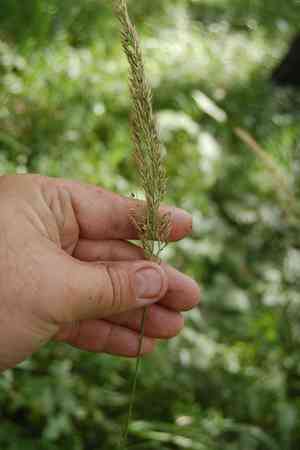
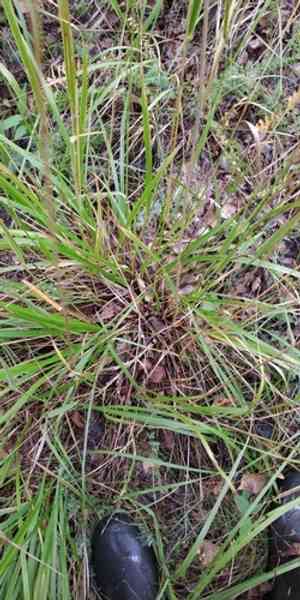
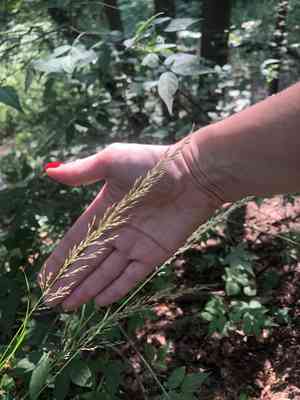
Images of Rough small-reed
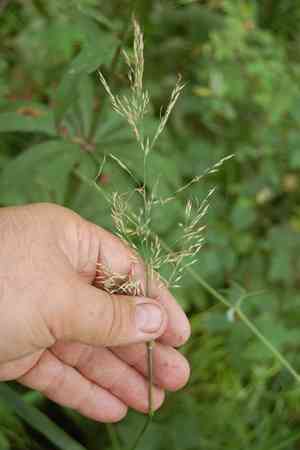
Quickly Identify Rough small-reed
1
Identify this plant by its tall, slender stems and feathery flower plumes that appear in mid to late summer. The leaves are narrow, and the overall appearance is upright and graceful.
Scientific Classification of Rough small-reed
Phylum
Vascular plants
Class
Monocotyledons
Order
Poales
Family
Grass
Genus
Reed grasses
Species
Rough small-reed
Planting and Growing of Rough small-reed
Care Difficulty
Easy
Watering Schedule
Every 2 days
Sunlight Requirements
Full sun
Sunshine Duration
4-8 hours
Ideal Temperature
60-75℉
Soil Type
Potting Mix, Peat Mix
Soil pH
6.5-7.5
Fertilizer Type
Balanced
Pruning Season
Spring, Summer
Pruning Area
Branches, Leaves
Pruning Frequency
Once a year
Repotting Season
Spring
Pot Type
Plastic, Ceramic
 How to Water Rough small-reed?
For Calamagrostis arundinacea, it's crucial to maintain a balance in the watering process. When watering, aim for the soil to be evenly moist but not waterlogged, which means approximately 250 ml per session to achieve optimal moisture levels without drowning the roots.
What are the symptoms of an underwatered Rough small-reed?
›
What should I do if my Rough small-reed is not getting enough water?
›
What are the symptoms of an overwatered Rough small-reed?
›
How to save an overwatered Rough small-reed?
›
 What Are the Sunlight Requirements for Rough small-reed?
Calamagrostis arundinacea ideally thrives in partial to full sun conditions. Sufficient sunlight positively influences its growth pattern, enhances its foliage color while promoting resilience and overall plant health.
More About Sunlight Requirements Techniques→
What is the best natural environment for Calamagrostis arundinacea?
›
How can you simulate an optimal lighting setup in indoor environments?
›
What happens when Calamagrostis arundinacea receives optimal light conditions?
›
 What Is the Ideal Temperature Range for Rough small-reed?
Maintaining an ideal temperature range between 60°F and 75°F is crucial for Calamagrostis arundinacea to ensure optimal growth and development. This range supports proper enzymatic activities and metabolic processes, ensuring the plant remains healthy, robust, and resistant to pests and diseases.
 What Soil is Best for Rough small-reed?
Calamagrostis arundinacea benefits from soil that retains moisture without becoming waterlogged. This helps in maintaining consistent hydration, which is crucial for its growth. A nutrient-rich loam soil provides the necessary minerals and organic matter that support the vigorous growth of Calamagrostis arundinacea, ensuring it remains healthy and lush. Well-drained soil prevents root rot and other fungal issues, contributing to the plant's overall health and resilience in various weather conditions.
 How to Fertilize Rough small-reed?
For Calamagrostis arundinacea, use a light hand when applying fertilizer. Use about half the recommended amount specified on the fertilizer package for ornamental grasses. Stick to natural or organic fertilizers, which are less likely to overwhelm the plant with too many nutrients. For liquid fertilizers, dilute to half-strength for best results.
 How to Prune Rough small-reed?
Use a pair of clean and sharp pruning shears to trim the plant. This ensures precise cuts and reduces the risk of transmitting diseases. Begin by cutting away any dead or brown foliage. This encourages air circulation and reduces the likelihood of pest infestations. Cut the plant back to a height of about 6 inches from the ground. This drastic trim encourages lush regrowth when spring arrives.
More About Pruning Techniques→
 How to Propagate Rough small-reed plant?
1
Choose a healthy, mature Calamagrostis arundinacea plant. Water it thoroughly the day before division to ensure it is well-hydrated. This will make the division process less stressful for the plant.
2
Use a garden spade to dig up the plant, making sure to include as much of the root system as possible. Gently separate the clumps, ensuring each division has a good amount of roots and shoots for successful growth.
3
Plant each division into a prepared hole in a well-draining area with sufficient sunlight. Water them immediately and continue to monitor regularly to ensure they remain healthy and well-established.
 How to Repot Rough small-reed plant?
1
Calamagrostis arundinacea shows signs it's time to repot when you notice roots circling the pot's edges or emerging from drainage holes. Growth slowdown and compacted soil are also indicators. Ideally, plan repotting in Spring or Autumn when the plant can adapt well.
2
Choose a pot one size larger with adequate drainage. This allows sufficient space for root expansion, prevents waterlogging, and promotes healthy growth. Terra cotta pots are great for their breathability and aesthetic appeal, ensuring optimal root environment.
3
Opt for a rich, loamy, and well-draining soil mix tailored to grass-like plants. Such soil promotes healthy air exchange and nutrient availability, minimizing water retention issues and encouraging robust root development.



