How to Prune Black grama?
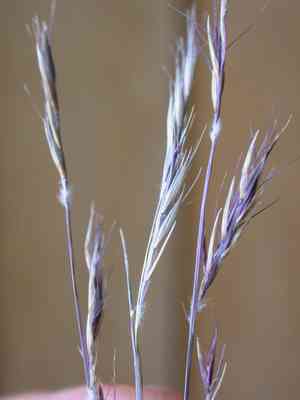
A persistent grass, black grama is recognized for its hardiness and versatility, flourishing in dry environments. Trimming black grama ought to happen in early spring or throughout winter to foster robust regeneration and preserve its intended form. Remove withered or compromised leaves to improve air circulation and light exposure, which are crucial for strong development. Trimming not only upholds structural soundness but also deters excessive growth and potential insect problems, guaranteeing black grama's endurance and visual attractiveness in various settings.
What Are the Benefits of Pruning Black Grama?
What Are the Benefits of Pruning Black Grama?
Trimming black grama promotes robust development and helps preserve its form, ensuring peak health and visual appeal. Regular cutting eliminates dead leaves, fostering new, strong growth.
What Is the Best Time for Pruning Black Grama?
What Is the Best Time for Pruning Black Grama?
Early spring and winter are considered optimal times for pruning black grama due to factors related to its growth cycle and dormant phase. In early spring, black grama starts emerging from dormancy, making it ideal to trim before new growth begins. This helps redirect the plant's energy toward producing strong, healthy growth throughout the growing season. Winter pruning is effective as black grama is fully dormant then. Trimming during dormancy helps prevent stress and minimizes the risk of pest infestation and disease from cuts made during active growth.
What Tools Do I Need to Prune Black Grama?
Grass Shears
Grass shears are perfect for shaping and trimming black grama due to their small, sharp blades that can easily navigate through fine grass blades without harming the plant's structure.
Hand Pruners
Hand pruners are suitable for occasionally trimming thicker or overgrown sections of black grama. They provide precise cuts that help maintain the plant's health and appearance without disrupting its natural growth.
String Trimmer
For larger areas or a quick trim, a string trimmer can be effective. It allows for fast cutting of black grama while keeping the grass level uniform, which is essential for the aesthetic and health of grassy landscapes.
How to Prune Black Grama
Identify
Examine black grama closely to pinpoint diseased and withered leaves. These leaves often appear discolored, dried out, or show signs of fungal infection and should be removed to maintain plant health and vigor.
Prepare tools
Ready your pruning tools. Use sharp, clean pruning shears or scissors to ensure precise cuts and avoid damaging healthy parts of black grama. Sterilize the blades with rubbing alcohol or a bleach solution to prevent disease spread.
Prune diseased
Carefully prune diseased leaves from black grama, cutting them at the base where they attach to the main plant or stem. Ensure you remove the entire leaf, including any part of the leaf stem that may show signs of infection.
Prune withered
Remove withered leaves by making clean cuts close to the stem. Withered leaves are easier to identify as they are typically dry and crumbly. Removing these not only cleans up the appearance of black grama but also encourages new growth by redirecting energy to healthier parts.
Dispose
Properly dispose of the removed leaves. Do not compost diseased material as it can contaminate the compost and spread pathogens. Withered leaves, if not showing signs of disease, can be added to a compost heap or disposed of with yard waste.
Common Pruning Mistakes with Black Grama
Overpruning
A frequent error when pruning black grama is removing too much foliage, which can weaken the plant. Black grama thrives best when trimmed minimally, as excessive cutting can lead to reduced vigor and fewer resources for growth and development.
Neglecting dead material
Novice gardeners often overlook the importance of removing dead or diseased grass blades from black grama, which can hinder healthy growth and encourage disease spread. Ensuring that only the unhealthy parts are cut away is crucial for maintaining plant health.
Improper tool use
Using blunt or dirty pruning tools can cause damage and introduce pathogens to black grama. It's important to use clean, sharp tools to make precise cuts that promote quick healing.
Common Pruning Tips for Black Grama
Focus on health
When pruning black grama, concentrate on removing dead or diseased foliage. This helps prevent the spread of diseases and encourages healthier, more robust growth. Avoid cutting too much healthy foliage to prevent weakening the plant.
Prune sparingly
Because black grama is naturally resilient and adaptable, it does not require heavy pruning. A light trimming is sufficient to maintain its shape and promote airflow, which reduces the risk of fungal diseases.
Cleanliness
Always prune black grama with tools that are clean and well-maintained to avoid transferring disease among plants. After pruning, it is advisable to clean the tools thoroughly to maintain their effectiveness and prolong their life.



