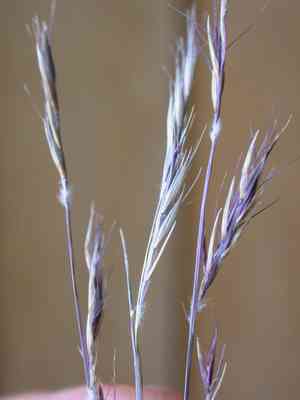
Black grama (Bouteloua eriopoda)
Also known as: Black Grama
B. eriopoda primarily reproduces through stolons, given its naturally low ratio of viable seeds compared to sterile ones. This low seed viability contributes to its reduced tolerance to overgrazing when compared to other grasses. Despite this limitation, B. eriopoda remains a valuable forage resource for livestock.
In This Article
Attributes of Black grama
Lifespan
Perennial
Plant Type
Grass
Plant Height
30 cm to 91 cm
Spread
Not typically measured for grasses
Leaf Color
Green to gray-green
Flower Size
Small, usually less than 1 cm
Flower Color
Brownish to yellowish
Images of Black grama
Quickly Identify Black grama
1
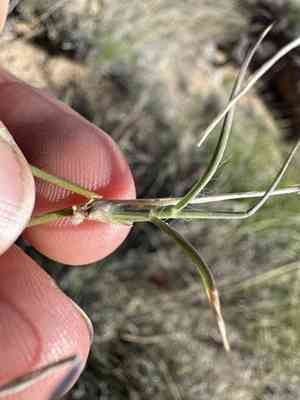
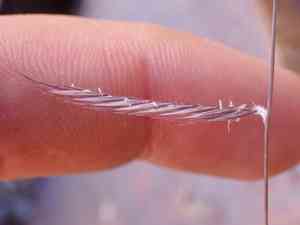
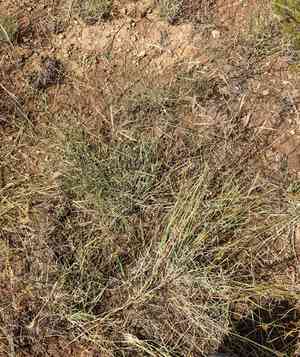
Bouteloua eriopoda can be identified by its distinctive curly leaves and unbranched flowering stems. The flower spikes often have a woolly appearance due to brownish curved awns.
Scientific Classification of Black grama
Phylum
Vascular plants
Class
Monocotyledons
Order
Poales
Family
Grass
Genus
Grama grasses
Species
Black grama
Planting and Growing of Black grama
Care Difficulty
Easy
Watering Schedule
Every 2 days
Sunlight Requirements
Full sun
Sunshine Duration
6-10 hours
Ideal Temperature
68-86℉
Soil Type
Potting Mix, Peat Mix
Soil pH
6.5-7.5
Fertilizer Type
Balanced
Pruning Season
Spring, Summer
Pruning Area
Branches, Leaves
Pruning Frequency
2 times a year
Repotting Season
Spring
Pot Type
Plastic, Ceramic
 How to Water Black grama?
Bouteloua eriopoda, commonly known as Black Grama, thrives in arid environments. For optimal growth, water it with 300 ml per session. The aim is to simulate the natural desert conditions by providing sufficient moisture for root absorption without drowning them. Let the soil dry out considerably between waterings to prevent root rot and ensure the plant develops deep roots.
What are the symptoms of an underwatered Black grama?
›
What should I do if my Black grama is not getting enough water?
›
What are the symptoms of an overwatered Black grama?
›
How to save an overwatered Black grama?
›
 What Are the Sunlight Requirements for Black grama?
Bouteloua eriopoda thrives in full sun environments, meaning it requires exposure to direct sunlight for at least 8-10 hours daily. Providing these conditions ensures robust growth, improved drought resistance, and vibrant foliage.
What is the best location for growing Bouteloua eriopoda?
›
How can I ensure Bouteloua eriopoda gets its ideal light conditions?
›
What benefits does adequate lighting provide for Bouteloua eriopoda?
›
 What Is the Ideal Temperature Range for Black grama?
The ideal temperature range for Bouteloua eriopoda, commonly known as black grama, is between 68°F and 86°F. During this temperature range, the plant exhibits optimal growth and development, as it aligns well with its native semi-arid environments. This range accommodates the plant’s physiological needs and supports robust foliage and root systems while minimizing stress.
 What Soil is Best for Black grama?
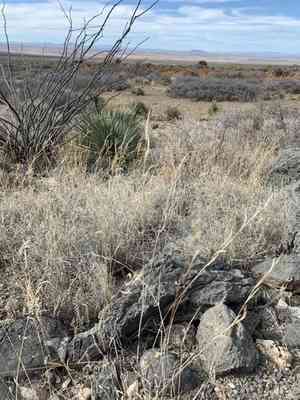
Bouteloua eriopoda thrives in well-drained soils found in its natural desert habitats. This quality is essential to prevent root rot and ensure healthy growth as the plant efficiently absorbs the necessary nutrients and water. This grass is adapted to grow in nutrient-poor soils, which reduces competition from other plants. This quality is advantageous as it allows Bouteloua eriopoda to flourish where others may struggle, highlighting its resilience and adaptability. While Bouteloua eriopoda prefers dry conditions, the soil must still retain moderate moisture to support turf development without causing waterlogging, fostering a beneficial environment for consistent growth.
 How to Fertilize Black grama?
For Bouteloua eriopoda, it is vital to apply the right amount of fertilizer to promote healthy growth. Typically, for liquid fertilizers, you can mix 1/4 to 1/2 teaspoon per gallon of water and apply it uniformly across the soil surface. For granular slow-release fertilizers, use about 1/2 pound per 100 square feet. Ensure these quantities are spread evenly to avoid over-fertilization in any one spot.
 How to Prune Black grama?
Start by gathering the right tools such as a pair of sharp pruning shears and gloves. Ensure the shears are clean to avoid spreading diseases. It’s important to know the structure of Bouteloua eriopoda, commonly known as Black Grama, before beginning to avoid unnecessary damage. Begin by inspecting the plant for any dead, damaged, or diseased stems. Trim these back to healthy tissue. Focus on opening up the center of the plant to improve air circulation, which helps reduce disease pressure. Finally, shape the plant by cutting back any excessively long or misdirected stalks to maintain a tidy appearance.
More About Pruning Techniques→
 How to Propagate Black grama plant?
1
Start by preparing well-drained soil with a mix of sand and organic matter. This mix promotes healthy root development and mimics the plant’s natural habitat, essential for seed germination.
2
Sow seeds in the seed tray about 0.5 cm deep. Lightly cover with soil and water gently to ensure even moisture. Maintain a warm environment to facilitate germination.
3
For division, gently remove the plant from its pot and separate manageable sections of root and shoot. Ensure each section has a few roots attached before potting them individually.
 How to Repot Black grama plant?
1
You'll know it's time to repot Bouteloua eriopoda when you notice roots emerging from the drainage holes or if water takes longer to drain. Spring is ideal as the grass is entering its active growth phase, allowing it to adjust to the new soil environment swiftly.
2
Choose a pot that's slightly larger, around 2 inches in diameter bigger, than the current one. This allows room for growth while preventing excessive soil moisture retention. Opt for a pot with excellent drainage, as it helps to mimic the natural arid habitat Bouteloua eriopoda thrives in.
3
A well-draining sandy mix is imperative for repotting Bouteloua eriopoda. This mimics its native desert environment and prevents root rot by facilitating good aeration and water movement through the soil, ensuring healthy growth and sustainability for the grass.



