How to Propagate Black grama?
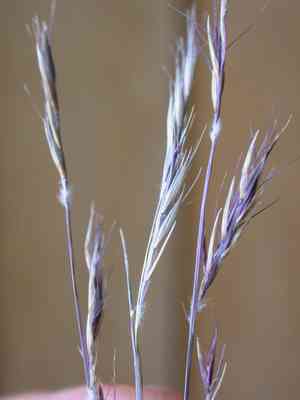
Black grama can be successfully multiplied by dividing its rootstock. This technique entails splitting established clusters when they are actively growing, making sure every new segment possesses a robust root structure to facilitate swift integration. Gentle manipulation throughout the division procedure encourages faster recuperation and development, maximizing survival rates. Consistent irrigation and adequately draining substrates improve the efficacy of this propagation approach for black grama.
What Is the Best Time To Propagate Black Grama?
Propagation Type
Separation
Propagation Season
Spring,Autumn
What Tools Are Used in Black Grama Propagation?
Sharp Garden Knife
An incisive garden blade is vital for cleanly and precisely severing root clumps during black grama division. This implement helps minimize root damage, crucial for the swift recovery and growth of plant sections post-propagation. Its sharpness ensures clean cuts, fostering better root health and reducing disease risk.
Spade or Garden Fork
A sturdy spade or garden fork is employed to initially loosen the soil around black grama, facilitating the gentle lifting of the plant and its root system from the ground. This tool aids in minimizing root disturbance and damage, which is vital for maintaining black grama's vitality during the division process.
Watering Can with Fine Rose
Following the replanting of black grama divisions, a watering can equipped with a fine rose attachment is perfect for delivering gentle, evenly distributed water. This ensures newly planted sections receive sufficient moisture without oversaturation, critical for helping the plants establish in their new locations.
Rooting Hormone (optional)
Applying a rooting hormone to the severed sections of black grama's roots can enhance root development and improve the overall success rate of propagation. This specialized aid promotes quicker establishment and stronger root formation, beneficial for black grama's recovery and growth after division.
How to Propagate Black Grama?
Propagation Type
Simple
How to Care for Your Newly Propagated Black Grama?
How to Care for Your Newly Propagated Black Grama?
Post-propagation, ensure black grama is situated in a full sun exposure. Maintain consistent watering to keep the soil moist, especially during the initial growing season as the plant establishes. Fertilize lightly once new growth appears. Monitor for any pest or disease issues, though black grama is generally robust. Prune dead or damaged foliage to encourage healthy development. Gradually reduce watering once the plant is well-established to prevent over-saturation.
Common Mistakes to Avoid When Propagating Black Grama
Overwatering
Excessive watering of black grama can lead to root rot and fungal infections. Given its adaptation to arid environments, black grama's roots are not suited to consistently wet conditions, which can severely impede its growth and survival.
Poor soil preparation
Using a soil mix that lacks proper drainage or doesn't mimic black grama's natural gritty, sandy habitat can be detrimental. Inadequate soil can lead to water retention and root diseases, counteracting propagation efforts.
Overcrowding
Planting black grama seeds or starts too closely together can result in competition for light, nutrients, and space. This spacing issue not only stunts growth but also impacts the overall health of black grama, reducing propagation success.
Tips For Propagating Black Grama
Appropriate soil mix
Utilize a well-draining, sandy or gravelly soil blend that mimics black grama's natural habitat. This ensures roots have ample air space and are not waterlogged, promoting healthier growth and root development.
Adequate spacing
Ensure black grama seeds or young plants are sufficiently spaced to prevent competition. Proper spacing allows each plant to receive enough sunlight and nutrients, crucial for robust black grama growth.
Moderate watering
Water black grama sparingly to emulate its natural dry conditions. Ensuring the soil is damp but not saturated can significantly aid successful propagation by preventing water-related diseases and fostering strong root systems.



