The Black grama Plant Advantage: Maximizing Home and Office Appeal and Wellness
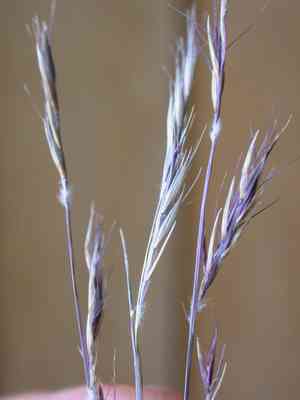
1
Black grama tolerates dry conditions well, ideal for arid regions.
2
Black grama offers superior feed for farm animals, making it a valuable asset.
3
Black grama aids in stopping soil loss and fosters more robust ecosystems.
Why is Black grama Ideal for Arid Environments?
Drought Tolerance
A primary benefit of Black grama is its remarkable ability to withstand drought. This plant flourishes in dry and semi-dry conditions where other species struggle. Its deep root structure allows it to access moisture far beneath the surface, making it resilient during extended dry periods. Consequently, it offers consistent green coverage in areas with limited water, lessening reliance on artificial irrigation.
Water Conservation
Beyond its drought-resistant qualities, Black grama aids in overall water preservation. By cultivating Black grama, land managers can decrease the necessity for supplementary watering, conserving valuable water resources. This positions it as an environmentally sound option for maintaining landscapes in desert and semi-desert regions.
How Does Black grama Benefit Livestock and Wildlife?
Nutritional Forage
Black grama serves as an excellent food source for livestock. It is highly palatable and nutrient-rich, supplying vital nutrients that support animal growth and health. This makes it a valuable component in pastures, ensuring animals have dependable, high-quality forage year-round. Additionally, it can lessen the need for extra feeding, especially during harsh weather when other food sources are scarce.
Habitat for Wildlife
Beyond livestock, Black grama also provides a home for various wildlife species. Its dense growth offers refuge and nesting spots for birds and small mammals, thereby fostering biodiversity. The plant's seeds and leaves act as food sources for different wildlife, supporting the ecosystem's equilibrium. This dual function makes Black grama an important plant for both agricultural and environmental preservation efforts.
Can Black grama Improve Soil Health?
Erosion Control
Soil erosion is a significant problem in many parts of the world, particularly in arid zones. Black grama's extensive root system helps to anchor the soil, reducing the risk of erosion caused by wind or water. By stabilizing the soil, Black grama plays a crucial role in preserving land integrity and preventing the loss of fertile topsoil.
Soil Fertility
Furthermore, Black grama contributes to soil health by boosting its fertility. The plant's root system promotes soil aeration and water penetration, and as it decomposes, it adds organic matter to the soil. This process enriches the soil with essential nutrients, enhancing its quality and productivity over time. It creates a favorable environment for other plants to thrive, thus fostering a more diverse and sustainable ecosystem.
What Role Does Black grama Play in Landscaping?
Aesthetic Appeal
Black grama is not only practical but also adds visual appeal to landscapes. Its lush green foliage and elegant appearance can enhance the beauty of gardens, parks, and public areas. The plant's ability to maintain its greenery even during dry periods ensures that landscapes remain attractive throughout the year.
Low Maintenance
One of the main advantages of using Black grama in landscaping is its minimal upkeep requirements. Unlike other ornamental plants that may need frequent watering, pruning, and pest control, Black grama is relatively self-sufficient. Its hardiness reduces the need for constant care, making it a cost-effective choice for large-scale landscaping projects. This low-maintenance aspect is particularly appealing for urban planners and landscapers seeking to create sustainable and manageable green spaces.
How Does Black grama Support Environmental Conservation?
Carbon Sequestration
Black grama contributes to mitigating climate change by absorbing carbon dioxide from the atmosphere. Through photosynthesis, the plant captures carbon, which is then stored in its biomass and the soil. This contribution to carbon sequestration helps reduce the overall concentration of greenhouse gases in the atmosphere, making Black grama an ally in the fight against global warming.
Biodiversity Enhancement
Moreover, Black grama supports environmental conservation by boosting biodiversity. Its presence in various ecosystems creates habitats for diverse flora and fauna, promoting ecological balance. By supporting a wide range of species, Black grama helps maintain healthy ecosystems that are more resilient to environmental changes and disturbances.



