How to Prune Dirty socks?
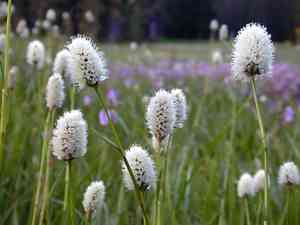
Dirty socks, recognized for its unique flower clusters and abundant leaves, thrives with trimming during the spring and summer seasons. Eliminate any deceased or compromised stalks to foster robust development and improve air circulation. Snip off faded blossoms to prolong flowering and sustain the plant's vitality. Refrain from extensive cutting in late summer to avert undue strain. Strategic pruning stimulates thicker foliage and diminishes the likelihood of illness. Always utilize sanitized, keen implements for accurate incisions and to lessen injury to the plant.
Advantages of Trimming Dirty Socks
Advantages of Trimming Dirty Socks
Trimming dirty socks encourages robust development and helps maintain a compact, visually appealing form. Regular cutting can revitalize the plant, leading to a denser and healthier growth pattern.
Optimal Time for Trimming Dirty Socks
Optimal Time for Trimming Dirty Socks
Spring and Summer are the best seasons to trim dirty socks due to factors related to its growth cycle and botanical traits. In Spring, pruning should occur early to stimulate new growth and direct the plant's energy towards healthy foliage and flowers. This timing also allows gardeners to remove winter damage, promoting healthier, more vigorous development as the season progresses. Summer pruning, especially after the initial bloom, can benefit dirty socks by enhancing light penetration and air circulation within the plant. It also helps manage plant size, preventing overgrowth and potential pest/disease issues. Furthermore, removing spent flowers during this period can encourage a second bloom in reblooming species, extending the flowering period while keeping the plant attractive and well-maintained.
Tools Required for Trimming Dirty Socks
Hand Pruners
Perfect for making precise cuts on dirty socks to remove dead or diseased foliage without harming healthy plant parts. Hand pruners are easier to handle and suitable for the relatively soft stems of dirty socks.
Garden Scissors
Useful for shaping and trimming dirty socks, offering control and accuracy, especially for deadheading or cutting smaller, delicate areas.
Pruning Saw
Essential for cutting through thicker, woody stems if dirty socks develops more substantial growth. This ensures clean cuts that promote healthy regrowth.
How to Trim Dirty Socks
Identify
Carefully inspect dirty socks for any diseased or withered leaves and stems. Focus on identifying parts that appear brown, wilted, or show signs of fungal infections or decay.
Disinfect
Before beginning to trim dirty socks, sanitize your pruning tools to prevent disease spread. Use a solution of one part bleach to nine parts water to sterilize shears and clippers.
Prune leaves
Using your disinfected pruning tools, carefully remove all diseased and withered leaves from dirty socks. Make clean cuts at the base of each affected leaf, taking care not to damage healthy parts.
Prune stems
Trim any diseased stems on dirty socks by making cuts at least a few inches below the diseased areas into healthy, green tissue. Ensure cuts are clean and angled to promote water runoff, minimizing potential for further disease.
Cleanup
After pruning, clear away all removed leaves and stems from around dirty socks to prevent disease spread. Dispose of cuttings in the trash or burn them; do not compost diseased material.
Common Trimming Mistakes with Dirty Socks
Over-pruning
A frequent error is removing too much foliage from dirty socks, which can weaken the plant. This practice especially impacts the plant's ability to photosynthesize and store energy for growth and flowering.
Incorrect cut placement
Cutting too far from a bud or node can lead to die-back and disease entry. Conversely, cuts too close can damage or remove emerging buds, reducing the plant's potential to flourish.
Using dull tools
Blunt pruning shears or scissors can cause ragged cuts that are more susceptible to infections. Clean, sharp cuts heal faster and are generally healthier for dirty socks.
General Trimming Advice for Dirty Socks
Selective thinning
Reduce density by selectively removing some stems at the base. This enhances airflow and light penetration, crucial for the health and vigor of dirty socks.
Post-flowering cuts
Prune immediately after flowering to promote new growth and potentially more blooms in the next season. This timing allows dirty socks to focus energy on strengthening its root and leaf systems.
Tool sterilization
Before pruning, sterilize all tools with alcohol or a bleach solution to prevent the spread of diseases between plants. This practice is particularly vital if dirty socks has had any previous disease issues.



