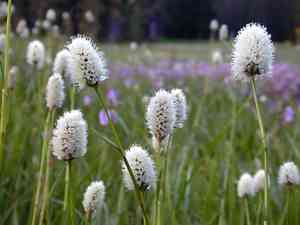
Dirty socks (Bistorta bistortoides)
Also known as: Western bistort, Smokeweed
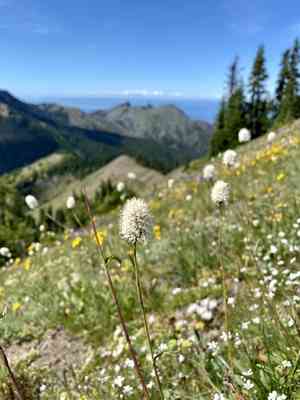
Bistorta bistortoides, also known as American bistort, is widely distributed across the Mountain West in North America. The plant features leathery leaves that can grow up to 40 cm in length, predominantly forming at the base of the stem. Its inflorescence is a dense, cylindrical to oblong spike, adorned with numerous small flowers ranging from white to pinkish hues, each measuring a few millimeters in diameter.
In This Article
Attributes of Dirty socks
Lifespan
Perennial
Plant Type
Herb
Plant Height
30 cm to 61 cm
Spread
Not applicable (herbaceous plant)
Leaf Color
Green
Flower Size
0.2-0.5 cm (individual flowers)
Flower Color
White to pink
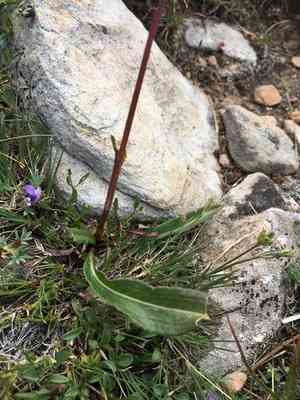
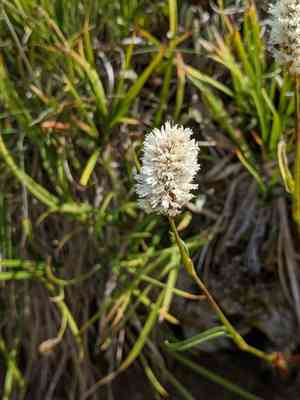
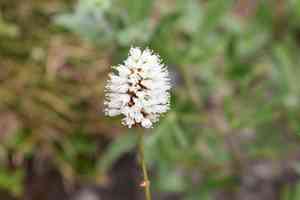
Images of Dirty socks
Quickly Identify Dirty socks
1
This plant can be recognized by its spike-like inflorescence of small white to pink flowers, basal rosette of leaves, and upright, leafless flowering stems. Pinnately veined leaves with slightly wavy margins are also characteristic.
Scientific Classification of Dirty socks
Phylum
Vascular plants
Class
Dicotyledons
Order
Caryophyllales
Family
Buckwheat
Genus
Bistorta
Species
Dirty socks
Planting and Growing of Dirty socks
Care Difficulty
Easy
Watering Schedule
Every 5 days
Sunlight Requirements
Partial sun
Sunshine Duration
4-6 hours
Ideal Temperature
59-68℉
Soil Type
Potting Mix, Peat Mix
Soil pH
6.5-7.5
Fertilizer Type
Balanced
Pruning Season
Spring, Summer
Pruning Area
Branches, Leaves
Pruning Frequency
2 times a year
Repotting Season
Spring
Pot Type
Plastic, Ceramic
 How to Water Dirty socks?
Bistorta bistortoides thrives best in moist conditions, so ensure that the soil is evenly damp without becoming waterlogged. During the growing season, a good rule of thumb is to water until the top inch of soil feels damp but not soaked. To achieve this, consider using about 250 ml of water per session if you have a medium-sized pot.
What are the symptoms of an underwatered Dirty socks?
›
What should I do if my Dirty socks is not getting enough water?
›
What are the symptoms of an overwatered Dirty socks?
›
How to save an overwatered Dirty socks?
›
 What Are the Sunlight Requirements for Dirty socks?
Bistorta bistortoides ideally requires partial sun to full sun, meaning it should bask in sunlight for about 4 to 6 hours a day. This optimizes photosynthesis, encouraging robust growth and blooming.
What amount of sunlight does Bistorta bistortoides prefer?
›
How can I ensure Bistorta bistortoides receives its ideal light conditions?
›
What benefits do ideal light conditions provide for Bistorta bistortoides?
›
 What Is the Ideal Temperature Range for Dirty socks?
The ideal temperature range for Bistorta bistortoides is between 59°F and 68°F. This range provides optimal conditions for growth, ensuring the plant receives the warmth it needs during its active growing seasons. Temperatures in this range allow the plant's physiological processes to proceed efficiently, promoting healthy foliage and blooming.
 What Soil is Best for Dirty socks?
Bistorta bistortoides thrives in soils that retain moisture well, promoting healthy root development and overall plant vigor. Access to consistent moisture supports its lush foliage and vibrant blooms. The plant benefits from nutrient-rich soils that provide essential minerals for robust growth and prolific flowering. Organic matter and compost can enhance soil fertility and support its diverse nutrient needs. While moisture is important, Bistorta bistortoides requires soil that drains well to prevent root rot. Adequate drainage balances hydration and aeration, supporting healthy root systems.
 How to Fertilize Dirty socks?
For Bistorta bistortoides, it's crucial to apply fertilizers in moderation. A general rule is to use a balanced fertilizer, such as a 10-10-10 NPK ratio, applying no more than 500 grams per square meter of garden space at one time. This amount ensures that the plant gets adequate nutrients without overwhelming the root system, allowing continuous healthy growth and vibrant blooms.
 How to Prune Dirty socks?
Start by cutting back any dead or damaged foliage. Using sharp shears, trim back to a healthy part of the plant to encourage new growth and prevent the spread of any diseases. Focus on shaping the plant by selectively trimming outer stems and branches. This not only keeps the plant attractive but also allows for better air circulation through the foliage, reducing the risk of fungal infections. Bistorta bistortoides often spreads quickly, so thinning out areas where the plant is overcrowded can help. Removing some stems from the base can give remaining plants more space to grow and access to sunlight and nutrients.
More About Pruning Techniques→
 How to Propagate Dirty socks plant?
1
Collect seeds from mature plants during the late period of the growing season. Dry them thoroughly in a well-ventilated area to prevent mildew before planting.
2
Loosen the soil in your propagation area by digging approximately 12 inches deep, incorporating organic matter to improve drainage and fertility.
3
Plant seeds in shallow furrows around 0.5 cm deep and cover them lightly with soil. Maintain consistent moisture to facilitate germination within 2-4 weeks.
 How to Repot Dirty socks plant?
1
Bistorta bistortoides requires repotting when you notice roots circling the pot's perimeter or emerging through drainage holes. Another signal is slowed growth, indicating a lack of available nutrients in the current potting soil. Monitor during growing seasons for these signs.
2
Select a pot that is about two inches larger in diameter than the current one. Ensure it has ample drainage holes to prevent waterlogging. This choice accommodates root growth while preventing potential issues from excess moisture, promoting healthy root development.
3
Opt for a well-draining loamy soil mix. It should have good aeration and retain some moisture without becoming waterlogged. Such soil provides a balance of nutrients and drainage, crucial for the healthy growth of Bistorta bistortoides.
Learn More About Dirty socks Diseases
Anthracnose
Bacterial Leaf Spot
Bacterial Wilt
Crown Gall
Cyst Nematode
Damping-off
Downy Mildew
Drought Stress
Fusarium Wilt
Gray Mold
Leaf Curl
Leaf Spot
Mosaic
Nutrient Deficiency
Nutrient Toxicity
Powdery Mildew
Root Rot
Root-knot Nematode
Rusts
Sooty Mold
Spider Mites
Temperature Stress
Thrips Damage
White Mold



