How to Prune Torchwood?
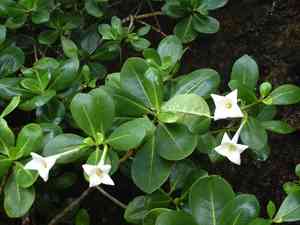
Torchwood, recognized for its prominent characteristics, thrives with early spring trimming to stimulate robust development. Cut away any lifeless or frail branches to boost the plant's vigor and contour. This period coincides with its developmental phase, guaranteeing peak recuperation and bloom production. During trimming, prioritize preserving the plant's inherent structure and eliminating any congested sections to enhance air movement. Effective pruning improves visual appeal and encourages superior flowering and general plant well-being, allowing torchwood to flourish in your landscape.
What Are the Benefits of Pruning Torchwood?
What Are the Benefits of Pruning Torchwood?
Trimming torchwood encourages robust development, maintains its form, promotes abundant blooms, helps manage its size, enhances its overall look, and assists in resisting pests and diseases. Frequent trimming ensures the plant stays manageable and visually appealing, boosting garden charm.
What Is the Best Time for Pruning Torchwood?
What Is the Best Time for Pruning Torchwood?
Trimming torchwood in early spring is considered ideal due to its growth cycle. During this period, torchwood is either inactive or just starting to emerge from dormancy, which minimizes stress and lowers the chance of disease or pest infestation. Early spring pruning fosters healthier new growth and ensures the plant's energy is directed towards developing strong branches and vibrant flowers later in the season. By trimming at this time, gardeners can effectively shape torchwood and promote more vigorous and aesthetically pleasing growth throughout the year.
What Tools Do I Need to Prune Torchwood?
Hand Pruners (Bypass Pruners)
Perfect for making precise cuts on smaller branches, crucial for maintaining torchwood's shape without causing significant harm to the plant tissue.
Loppers
Needed for cutting through thicker branches that are too large for hand pruners, helping to manage torchwood's larger growths efficiently.
Pruning Saw
Useful for cutting through the thickest branches, ensuring torchwood stays healthy by removing old or diseased wood that loppers cannot handle.
Gloves
Protective gloves are vital for guarding against thorns or rough bark when trimming torchwood, ensuring the gardener's safety.
Disinfectant Solution
Important for sanitizing tools between cuts to prevent the spread of diseases within torchwood, keeping it healthy.
How to Prune Torchwood
Inspect
Regularly check torchwood for any indications of diseased leaves, withered foliage, or dead branches. Identifying which parts require removal helps prevent disease spread and encourages healthier development.
Clean Tools
Ensure all trimming tools are clean and sterilized before use to prevent disease transmission. A mixture of one part bleach to nine parts water can be used for sterilization.
Remove Diseased Leaves
Carefully snip off any diseased leaves of torchwood using sharp, clean scissors or pruning shears. Make clean cuts close to the base of the leaf stem to ensure complete removal of the affected part.
Remove Withered Leaves
Identify and trim away any withered or yellowing leaves from torchwood to redirect the plant's energy toward healthier growth. Cut these leaves at the base of the stem.
Cut Dead and Diseased Branches
Trim dead or diseased branches back to the nearest healthy node or branch. Ensure to make clean cuts to encourage regrowth and help the plant recover efficiently.
Common Pruning Mistakes with Torchwood
Over-pruning
Removing too many branches or stems can shock torchwood and impede its growth and flowering potential. Aim to prune no more than one-third of the plant at a time.
Poor cutting technique
Using dull or unsuitable tools can result in jagged cuts, increasing the risk of disease and pest infestations. Always use sharp, clean pruning shears.
Pruning at the wrong location
Cutting too close to the main stem or leaving too much of a stub can harm torchwood and hinder proper healing. Prune just above a leaf node or bud.
Common Pruning Tips for Torchwood
Regular maintenance
Perform regular, light trimming to remove dead or diseased branches and promote air circulation, which helps prevent fungal infections.
Shaping and structure
When trimming, focus on maintaining an open form to allow light and air to reach all parts of the plant, which fosters overall health.
Sanitizing tools
Always sanitize your trimming tools before and after use to prevent disease spread. Rubbing alcohol or a bleach solution works well for this purpose.
Making clean cuts
Ensure cuts are clean and at a slight angle to prevent water accumulation on the cut surface. This aids in quicker healing and reduces the risk of rot.



