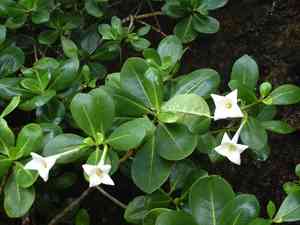
Torchwood (Bikkia tetrandra)
Also known as: Bikkia tetrandra
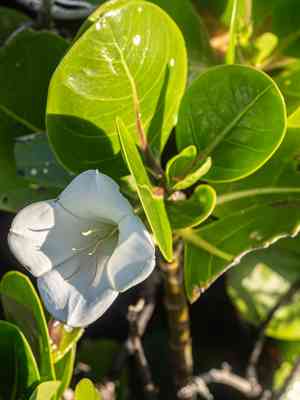
Torchwood is a resilient shrub noted for its small, bushy form and dark green, glossy leaves. It stands out with its vibrant yellow flowers, each featuring four petals. Adapted to coastal environments, torchwood thrives in sandy, well-drained soils. Its compact structure and hardy nature allow it to withstand strong seaside winds effectively.
In This Article
Attributes of Torchwood
Lifespan
Perennial
Plant Type
Shrub
Plant Height
1 to 2 meters
Spread
1 to 1.5 meters
Leaf Color
Dark green
Flower Size
2 to 3 centimeters
Flower Color
White or cream
Images of Torchwood
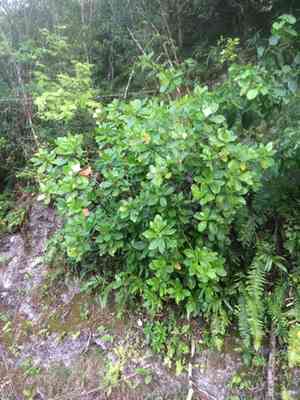
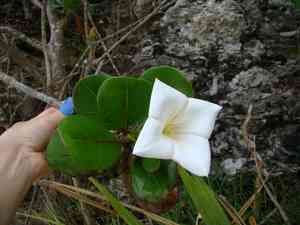
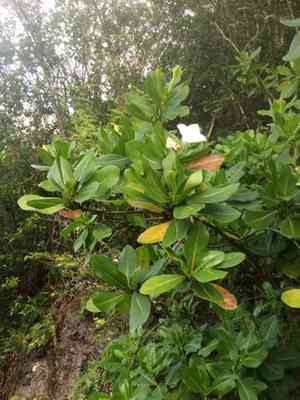
Quickly Identify Torchwood
1
Look for a small to medium-sized shrub with glossy, oppositely arranged leaves and tubular flowers that emit a pleasant fragrance. The flowers are usually white or cream in color.
Scientific Classification of Torchwood
Phylum
Vascular plants
Class
Dicotyledons
Order
Gentianales
Family
Madder
Genus
Bikkia
Species
Torchwood
Planting and Growing of Torchwood
Care Difficulty
Hard
Watering Schedule
Every 2 days
Sunlight Requirements
Full sun
Sunshine Duration
4-8 hours
Ideal Temperature
65-75℉
Soil Type
Potting Mix, Peat Mix
Soil pH
6.5-7.5
Fertilizer Type
Balanced
Pruning Season
Spring, Summer
Pruning Area
Branches, Leaves
Pruning Frequency
2 times a year
Repotting Season
Spring
Pot Type
Plastic, Ceramic
 How to Water Torchwood?
For Bikkia tetrandra, watering should be just enough to keep the soil slightly moist. You should provide about 250 ml of water per session. The goal is to avoid waterlogging while ensuring the roots have enough moisture. This ensures that the plant absorbs the necessary nutrients without drowning.
What are the symptoms of an underwatered Torchwood?
›
What should I do if my Torchwood is not getting enough water?
›
What are the symptoms of an overwatered Torchwood?
›
How to save an overwatered Torchwood?
›
 What Are the Sunlight Requirements for Torchwood?
Bikkia tetrandra thrives in environments with full to partial sunlight exposure. These light conditions promote vigorous growth, enhance foliage coloration, and improve overall plant health.
What is the best lighting environment for Bikkia tetrandra?
›
How can I achieve these lighting conditions?
›
What are the benefits if Bikkia tetrandra receives ideal lighting?
›
 What Is the Ideal Temperature Range for Torchwood?
The ideal temperature range for cultivating Bikkia tetrandra is between 65°F and 75°F. This range promotes optimal growth and health by providing a stable environment that closely resembles the plant's natural habitat. Within this range, photosynthesis occurs efficiently, and nutrient absorption is maximized, leading to robust growth and development.
 What Soil is Best for Torchwood?
Bikkia tetrandra thrives in nutrient-rich soil, providing essential minerals that promote healthy growth and vibrant blooms. An enriched soil enhances root development and overall resilience. The plant requires well-drained soil to prevent water accumulation, which can otherwise lead to root rot. Efficient drainage ensures the roots remain healthy and oxygenated. The ideal pH range for Bikkia tetrandra is slightly acidic to neutral. This balance allows for optimal nutrient absorption, ensuring robust plant health and vitality.
 How to Fertilize Torchwood?
For Bikkia tetrandra, it is recommended to use a balanced fertilizer with a ratio of 10-10-10 or equivalent. When applying liquid fertilizer, use approximately 1 tablespoon of fertilizer per gallon of water. For slow-release fertilizer, spread about 2 to 3 tablespoons around the base of the plant, ensuring not to place it too close to the stem to prevent root burn.
 How to Prune Torchwood?
Start by surveying the plant for any branches that appear dead, diseased, or damaged. These should be your priority for removal to prevent any disease spread and promote healthy growth. Gently trim the plant to maintain its desired shape, taking care to make cuts just above a leaf node or outward-facing leaf to encourage new growth. Remove some of the internal branches that may be crossing or rubbing against each other. This encourages better air flow within the plant, which is essential for preventing fungal infections.
More About Pruning Techniques→
 How to Propagate Torchwood plant?
1
Select healthy, non-flowering stems approximately 6-8 inches long for cuttings. Strip leaves from the lower half to minimize water loss.
2
Sow seeds in well-draining seed mix. Cover lightly with soil and water gently. Place in a warm, bright spot to encourage germination.
3
Dip the base of the cuttings in rooting hormone before planting them in a moist, sandy medium. Keep the cuttings in a shaded area.
 How to Repot Torchwood plant?
1
Bikkia tetrandra shows signs it needs repotting when roots start peeking out from the drainage holes, or if its growth rate noticeably slows down. Spring and early summer are ideal because the plant actively grows and can easily recover from the disturbance.
2
Select a pot that is one size larger than the current one with ample drainage holes. Using a pot too large can lead to water retention issues, while drainage holes ensure excess water escapes, preventing root rot and promoting a healthy root system.
3
Opt for a well-draining, sandy loam mix. This composition prevents waterlogging while retaining the right amount of moisture, allowing the roots to breathe and absorb nutrients effectively, thereby promoting robust plant health.
Learn More About Torchwood Diseases
Anthracnose
Bacterial Leaf Spot
Bacterial Soft Rot
Bacterial Wilt
Black Spot
Chemical Injury
Crown Gall
Cyst Nematode
Damping-off
Downy Mildew
Drought Stress
Fusarium Wilt
Gray Mold
Leaf Curl
Leaf Spot
Mosaic
Nutrient Deficiency
Nutrient Toxicity
Powdery Mildew
Root Rot
Root-knot Nematode
Rusts
Sooty Mold
Spider Mites
Temperature Stress
Thrips Damage
White Mold



