How to Prune Crested philippine violet?
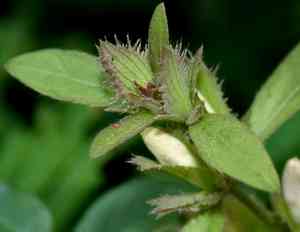
A lively, thorny bush featuring tubular blossoms and deep green leaves, crested philippine violet thrives with consistent upkeep. Trim to eliminate lifeless or frail stalks, stimulate dense development, and sustain blooming. Execute minor pruning year-round to sculpt and foster the emergence of new buds. Nip off nascent shoots to encourage a compact form. This regular trimming benefits crested philippine violet by improving air movement and reducing pest infestations, guaranteeing a strong and decorative display in any garden environment.
What Are the Benefits of Pruning Crested Philippine Violet?
What Are the Benefits of Pruning Crested Philippine Violet?
Trimming crested philippine violet promotes more abundant flowering by eliminating spent blooms and encouraging fresh development. By cutting back sprawling branches, crested philippine violet maintains its desired form and size, leading to vigorous growth and an attractive structure. Regular trimming also prevents dense foliage that could harbor pests and diseases.
What Is the Best Time for Pruning Crested Philippine Violet?
What Is the Best Time for Pruning Crested Philippine Violet?
Pruning in late winter minimizes the exposure time of fresh cuts before new growth starts, which helps prevent disease and supports a strong healing process. Early spring pruning aligns with the beginning of crested philippine violet's growth cycle, stimulating new development that will shape the plant for the upcoming season. This timing avoids cutting during its peak growth or flowering phase, ensuring minimal disruption to its development and blooming, which typically occurs in summer or early fall. Additionally, removing dead or damaged limbs before the active growing season promotes healthier, more vigorous plants and abundant flowering.
What Tools Do I Need to Prune Crested Philippine Violet?
Hand Pruners
For precise cuts on stems and soft growth up to about half an inch, suitable for deadheading and shaping crested philippine violet.
Bypass Pruners
Operate like scissors and are ideal for making clean cuts without crushing plant tissues, beneficial for the health of crested philippine violet.
Pruning Saw
For cutting thicker branches that are over half an inch in diameter, necessary when crested philippine violet has mature, woody stems.
Loppers
Feature long handles for increased leverage and can cut thicker stems, used when reshaping or reducing the size of crested philippine violet.
Gloves
Protect hands from thorns and rough branches while pruning crested philippine violet.
Pruning Shears
Another term for hand pruners, can be used for general maintenance and deadheading of crested philippine violet.
How to Prune Crested Philippine Violet
Diseased And Dead Material Removal
Identify and remove any diseased leaves, withered leaves, dead branches, and diseased branches from crested philippine violet by cutting them back to healthy tissue using sterilized pruning shears.
Thinning
Thin out crowded areas to improve air circulation, which can help prevent disease. Carefully select branches to remove, ensuring to maintain the natural shape of crested philippine violet.
Withered Flower Removal
Deadhead withered flowers by cutting the flower stems back to the nearest set of leaves to encourage reblooming and prevent crested philippine violet from diverting energy into seed production.
Shape Maintenance
Prune to maintain desired shape and size of crested philippine violet, but do not remove more than one-third of the plant at any one time to avoid stressing the plant.
Cleanup
Dispose of all removed material and clean the pruning tools to prevent the spread of disease to other plants or parts of crested philippine violet.
Common Pruning Mistakes with Crested Philippine Violet
Over-Pruning
Removing too much foliage at once can shock crested philippine violet, weakening the plant and potentially leading to reduced flowering or even plant death.
Improper Cuts
Making cuts too far from the nodes or at improper angles can result in stubs that are susceptible to pests and diseases, hindering recovery and growth.
Ignoring Plant Shape
Pruning without considering the natural shape of crested philippine violet can lead to an unbalanced and aesthetically unpleasing appearance, as well as uneven growth.
Dirty Tools
Using non-sterilized tools can spread diseases between plants, risking the health of crested philippine violet and other garden vegetation.
Pruning Healthy Growth
Trimming new, healthy shoots can limit crested philippine violet's potential for blooming, as flowers generally appear on the current or previous year's growth.
Common Pruning Tips for Crested Philippine Violet
Selective Trimming
Focus on removing only dead, damaged, or diseased branches to maintain the health and aesthetic appeal of crested philippine violet, which encourages more robust flowering.
Node Cutting
Make clean cuts just above leaf nodes, as this promotes new growth in the desired direction and prevents unnecessary harm to crested philippine violet.
Tool Hygiene
Disinfect pruning tools before and after use to prevent the spread of diseases and ensure clean cuts that heal more efficiently.
Gradual Reshaping
Reshape crested philippine violet gradually over several seasons rather than all at once to maintain plant health and vigor, which is particularly vital for crested philippine violet's recovery and continued growth.
Monitor Growth Habits
Observe the growth patterns of crested philippine violet to determine the best branches to prune for improving light penetration and airflow, which can enhance overall plant health and blooming.



