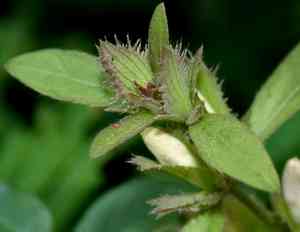
Crested philippine violet (Barleria cristata)
Also known as: Philippine violet
The plant you're referring to is likely the **Crested Philippine Violet (Barleria cristata)**. This perennial evergreen reaches heights of 91 to 122 cm and is native to Asia. It produces pinkish-purple, tunnel-shaped flowers from fall to winter. In the southeastern United States, it is often found along roadsides and streams and makes a striking addition to gardens as a background or hedge plant due to its vibrant blooms.
In This Article
Attributes of Crested philippine violet
Lifespan
Perennial
Plant Type
Herb, Shrub
Plant Height
91 cm to 1.2 m
Spread
90 cm to 1.2 m
Leaf Color
Green
Flower Size
2.5 cm to 5 cm
Flower Color
White Purple Green Blue Lavender
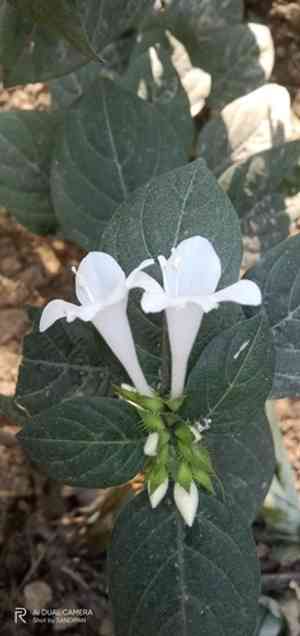
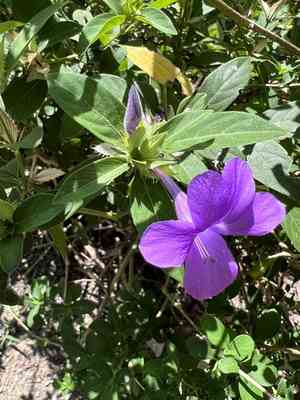
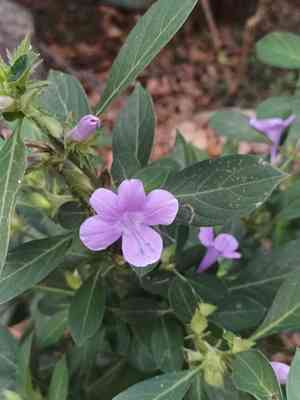
Images of Crested philippine violet
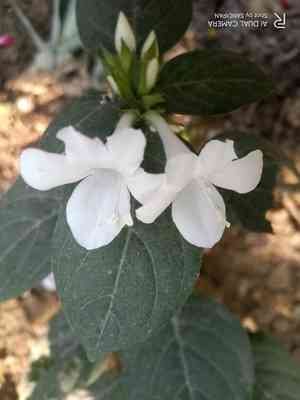
Quickly Identify Crested philippine violet
1
Identify Barleria cristata by its opposite, ovate leaves, usually with slightly wavy margins. The flowers are trumpet-shaped, with colors ranging from purple, blue, pink, to white. This plant often forms a shrub-like appearance.
Scientific Classification of Crested philippine violet
Phylum
Vascular plants
Class
Dicotyledons
Order
Lamiales
Family
Acanthus
Genus
Philippine violets
Species
Crested philippine violet
Planting and Growing of Crested philippine violet
Care Difficulty
Easy
Watering Schedule
Every 8 days
Sunlight Requirements
Partial sun
Sunshine Duration
6-10 hours
Ideal Temperature
65-80℉
Soil Type
Potting Mix, Peat Mix
Soil pH
6.5-7.5
Fertilizer Type
Balanced
Pruning Season
Spring, Summer
Pruning Area
Branches, Leaves
Pruning Frequency
2 times a year
Repotting Season
Spring
Pot Type
Plastic, Ceramic
 How to Water Crested philippine violet?
For Barleria cristata, the watering amount should be enough to moisten the root zone without leaving the soil waterlogged. Approximately 250ml per watering session is ideal. Ensure that the top layer of the soil is damp, but avoid excessive moisture retention to prevent root rot.
What are the symptoms of an underwatered Crested philippine violet?
›
What should I do if my Crested philippine violet is not getting enough water?
›
What are the symptoms of an overwatered Crested philippine violet?
›
How to save an overwatered Crested philippine violet?
›
 What Are the Sunlight Requirements for Crested philippine violet?
Partial sun exposure is optimal for Barleria cristata. This light allowance ensures balanced growth, vibrant foliage, and dynamic blossoming, securing the plant's health and longevity.
More About Sunlight Requirements Techniques→
Why is partial sun ideal for Barleria cristata?
›
How to achieve ideal lighting for Barleria cristata?
›
Benefits of ideal lighting conditions
›
 What Is the Ideal Temperature Range for Crested philippine violet?
The ideal temperature range for cultivating Barleria cristata is between 65°F and 80°F. This range is crucial for the plant's optimal growth as it aligns with its inherent subtropical climate preference. Stable temperatures within this range promote healthy foliage and abundant flowering, ensuring that the plant can thrive and fulfill its decorative potential.
 What Soil is Best for Crested philippine violet?
Barleria cristata thrives best in well-drained soil to prevent root rot and promote healthy growth. Ensuring good drainage helps the roots receive adequate air circulation, minimizing fungal diseases. The plant prefers nutrient-rich soil which provides the essential nutrients for vibrant blooms and healthy foliage. Regular addition of compost or organic matter can keep nutrient levels optimal. While Barleria cristata needs moisture to remain healthy, the soil should not remain soggy. Soil that retains moderate moisture without becoming waterlogged promotes steady growth and development.
 How to Fertilize Crested philippine violet?
For Barleria cristata, it's important to apply liquid fertilizer in moderation. Use a balanced fertilizer diluted to half-strength for liquid applications. This ensures that the plant receives essential nutrients without the risk of nutrient burn. A typical recommendation is 1-2 tablespoons of liquid fertilizer per gallon of water.
 How to Prune Crested philippine violet?
Begin pruning in early spring before new growth starts. This sets the stage for vigorous growth and flowering throughout the season. Avoid pruning in late autumn to prevent damage from winter cold. Avoid removing more than one-third of the plant at a time. Over-pruning can stress the plant and reduce flowering, making it less attractive and healthy in the long run. Barleria cristata may have thorny parts, so it’s advisable to wear gloves and long sleeves to protect your skin from scratches while handling the plant.
More About Pruning Techniques→
 How to Propagate Crested philippine violet plant?
1
Harvest mature seeds from the seed pods of a healthy Barleria cristata plant. Allow the pods to dry on the plant before collecting to ensure the seeds are viable and mature.
2
Use sharp pruning shears to take 4-6 inch cuttings from a healthy Barleria cristata plant. Cut just below a node and remove the lower leaves, leaving only one or two pairs.
3
Dip the cut end of the cutting in rooting hormone and plant it in a pot filled with well-draining soil. Water lightly and cover with a plastic bag to maintain humidity.
 How to Repot Crested philippine violet plant?
1
Repot your Barleria cristata when you notice its roots are peeking out of the drainage holes, or if the plant seems to be growing more slowly than usual. This typically indicates that it has become root-bound. Another good time to consider repotting is when the plant has significantly outgrown its current pot, and its growth appears to be stunted. Early spring or summer is ideal, as the plant is actively growing and will recover more quickly.
2
Select a pot that is one to two sizes larger than the current one to give the roots space to spread. Ensure the pot has adequate drainage holes to prevent water-logging, which can lead to root rot. A terracotta pot is an excellent choice as it allows the soil to dry out more evenly, providing a healthier environment for your Barleria cristata.
3
Opt for a well-draining potting mix to provide the best conditions for your plant. A mix with organic matter ensures proper nutrient availability and natural aeration, which is vital for the healthy growth of your Barleria cristata. Avoid heavy soils that retain too much water, as this can cause root rot.
Learn More About Crested philippine violet Diseases
Anthracnose
Bacterial Leaf Spot
Bacterial Wilt
Damping-off
Downy Mildew
Drought Stress
Fusarium Wilt
Gray Mold
Leaf Curl
Leaf Spot
Mosaic
Nutrient Deficiency
Nutrient Toxicity
Powdery Mildew
Root Rot
Root-knot Nematode
Rusts
Sooty Mold
Spider Mites
Temperature Stress
Thrips Damage
White Mold
Chemical Injury



