How to Propagate Crested philippine violet?
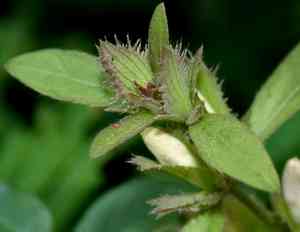
Crested philippine violet is efficiently multiplied via stem sections, a technique that leverages the plant's capacity to generate robust duplicates. For successful growth, employ a substrate that drains effectively and maintain consistent moisture for the cuttings without saturating them, thereby averting decay. Superior root development occurs in conditions of elevated humidity and with the application of a rooting stimulant, which aids in the formation of a strong root structure. Cuttings ought to be harvested from a healthy segment of the source plant, ideally during periods of active development to guarantee strong vigor and a more rapid initiation for the young plants.
Optimal Time for Crested Philippine Violet Propagation
Propagation Method
Cutting
Propagation Period
Spring,Summer
Tools Required for Crested Philippine Violet Propagation
Sharp Pruning Shears
These are crucial for making clean cuts on crested philippine violet stems. Pruning shears must be sharp and precise to ensure the cut is made without crushing or tearing plant tissue, which can impede rooting and invite infection.
Rooting Hormone Powder or Gel
Applying a rooting hormone to the cut end of crested philippine violet promotes root formation and boosts the propagation success rate. Rooting hormones contain synthetic auxins that mimic natural plant hormones, stimulating root growth from the cuttings.
Sterile Potting Mix
A sterile potting mix offers a clean, disease-free environment for crested philippine violet cuttings to root. This medium often includes a blend of peat, perlite, and vermiculite, providing ideal moisture retention and aeration, vital for new root development.
Pots with Drainage Holes
Appropriate containers with sufficient drainage are essential to prevent waterlogging, which can cause root rot in crested philippe violet cuttings. The drainage holes allow excess water to escape, maintaining optimal soil moisture.
Plastic Covers or Mini Greenhouses
Creating a humid environment around crested philippine violet cuttings can enhance the rooting rate. Plastic covers or mini greenhouses trap moisture and warmth, reducing water loss from leaves and creating a microenvironment conducive to root growth.
Labels or Tags
Using labels or tags helps track the propagation date and cutting type, providing vital information for monitoring growth progress and care requirements for crested philippine violet.
How to Propagate Crested Philippine Violet?
Propagation Type
Easy
Post-Propagation Care for Your Crested Philippine Violet
How to Care for Your Newly Propagated Crested Philippine Violet?
Once crested philippine violet cuttings develop roots and show new growth, gradually acclimate them to less humid conditions by making small holes in the plastic cover and eventually removing it entirely. Ensure the plant continues to receive bright, indirect light and keep the soil consistently moist but not waterlogged. Regularly check for pests and diseases and treat them appropriately to maintain the health of crested philippine violet.
Common Errors to Avoid When Propagating Crested Philippine Violet
Inadequate cutting preparation
Crested philippine violet cuttings should be healthy and disease-free, but gardeners often select weak or infected stems, which can lead to poor rooting and propagation failure.
Overwatering cuttings
While soil moisture is necessary for root development, excessive watering can cause rot in crested philippine violet cuttings, leading to poor growth or death.
Using poor soil mix
A soil mix that doesn't drain well can be detrimental for crested philippine violet propagation, as it may lead to waterlogging and root rot.
Tips For Propagating Crested Philippine Violet
Select healthy stems
Choose robust, healthy stems for cuttings to ensure vigorous root development and a higher chance of success with crested philippine violet.
Moderate watering
Keep the soil consistently moist but not waterlogged to support the cuttings of crested philippine violet without causing rot.
Use well-draining soil
Employ a well-aerated and well-draining soil mix, which will provide the necessary support for crested philippine violet's root growth while preventing water accumulation.



