How to Prune Small-flowered winter-cress?
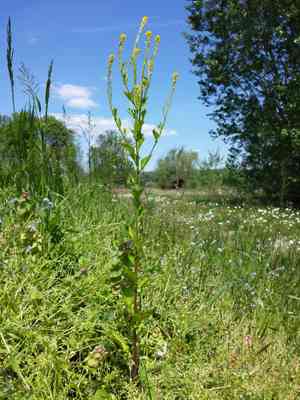
Small-flowered winter-cress, a resilient perennial characterized by its dense, rosette structure and diminutive yellow blossoms, flourishes with infrequent trimming. The most suitable periods for pruning are late spring and early summer, following its blooming phase. Removing faded blooms and any excessive growth improves the aesthetic of small-flowered winter-cress and inhibits its self-propagation. Consistent, gentle pruning additionally stimulates robust development and preserves the plant's lush foliage. No particular precautions are required, rendering pruning an uncomplicated activity for cultivators.
Advantages of Trimming Small-flowered Winter-cress
Advantages of Trimming Small-flowered Winter-cress
Trimming small-flowered winter-cress promotes robust development and helps maintain an attractive form. It encourages new growth, ensuring the plant stays healthy and strong, and allows for better management of its size and shape.
Optimal Time for Trimming Small-flowered Winter-cress
Optimal Time for Trimming Small-flowered Winter-cress
Trimming small-flowered winter-cress in late Spring or early Summer aligns best with its growth cycle, enabling gardeners to remove any dead or overwintered foliage before new growth begins. This timing also minimizes stress on the plant, fostering healthier blooms and growth throughout the warmer months. Additionally, early trimming aids in shaping the plant effectively, ensuring sunlight and air penetration, which are crucial for preventing diseases and pests. Trimming after the initial Spring flowering can also encourage a second bloom, enhancing the plant's decorative value.
Tools Required for Trimming Small-flowered Winter-cress
Hand pruners
Perfect for precise cutting and shaping of small-flowered winter-cress, as its size and growth habit demand careful handling to maintain a healthy structure.
Garden scissors
Useful for snipping softer, smaller stems of small-flowered winter-cress, allowing for detailed shaping without harming the plant.
Pruning shears
Suitable for removing dead or overgrown branches, ensuring small-flowered winter-cress has ample space and resources for healthy development.
How to Trim Small-flowered Winter-cress
Identify
Locate and inspect small-flowered winter-cress for any diseased or withered leaves, and unhealthy stems. Look for foliage with discoloration, spots, or shriveled appearance, as well as stems that are visibly damaged or showing signs of illness.
Disinfect
Before starting the trimming process, sanitize your pruning tools. This can be done by wiping the blades with rubbing alcohol or a 10% bleach solution to prevent disease transmission.
Trim leaves
Carefully remove diseased and withered leaves from small-flowered winter-cress. Use clean, sharp pruning shears, making cuts close to the stem base without injuring the main stem. Avoid pulling leaves off as this can cause unnecessary damage to the plant.
Trim stems
Prune diseased stems from small-flowered winter-cress. Make cuts at least a few inches below the affected area into healthy tissue to ensure complete removal of the diseased portion. If a stem is severely damaged, cut it back to the base or to a main lateral stem.
Clean up
After trimming, clear away all removed plant material from around small-flowered winter-cress. Dispose of diseased leaves and stems properly to prevent reinfection. Do not compost these materials as they might harbor pathogens.
Common Trimming Errors with Small-flowered Winter-cress
Over-trimming
Removing too much foliage from small-flowered winter-cress can weaken the plant. This is because the plant needs sufficient leaf area to photosynthesize and support its growth and blooming capabilities.
Incorrect tool use
Using dull or dirty tools can damage the stems of small-flowered winter-cress, leading to jagged cuts that make the plant more vulnerable to disease and pest infestation.
Trimming at the wrong diameter
Cutting back stems that are too thick can harm small-flowered winter-cress, as larger wounds heal slower and are more susceptible to infection.
General Trimming Advice for Small-flowered Winter-cress
Sharp and clean tools
Always use sharp, clean pruning shears to make precise cuts. This helps prevent damage to plant tissues, promoting faster healing.
Selective trimming
Focus on removing only dead, diseased, or overcrowded stems to enhance air circulation and light penetration, crucial for the health and vigor of small-flowered winter-cress.
Gradual reduction
If reducing the size of small-flowered winter-cress is necessary, do it gradually over several seasons to avoid stressing the plant, which ensures sustained growth and flowering.



