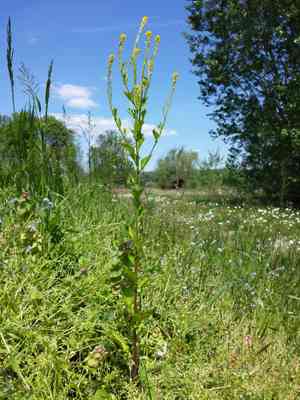
Small-flowered winter-cress (Barbarea stricta)
Also known as: European Wintercress, Straight Barbarea
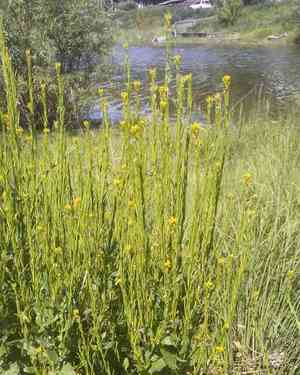
Barbarea stricta is a biennial or perennial herb that can grow up to 1 meter in height. Its leaves are pinnately lobed, featuring 1-3 pairs of smaller lobes and a larger terminal lobe, reaching up to 7 cm in length. The plant produces small yellow flowers, roughly 1 cm in diameter, clustered densely. Its fruits are cylindrical or occasionally square in cross-section.
In This Article
Attributes of Small-flowered winter-cress
Lifespan
Biennial, Perennial
Plant Type
Herb
Plant Height
40 cm to 80 cm
Spread
Approximately 20-30 cm
Leaf Color
Dark green
Flower Size
Around 1 cm
Flower Color
Yellow
Images of Small-flowered winter-cress
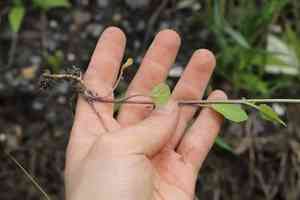
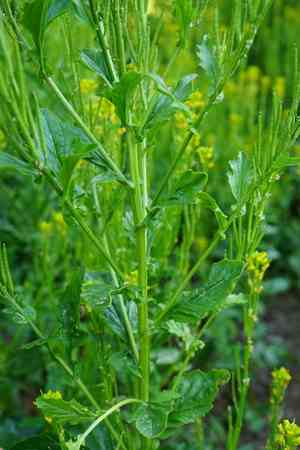
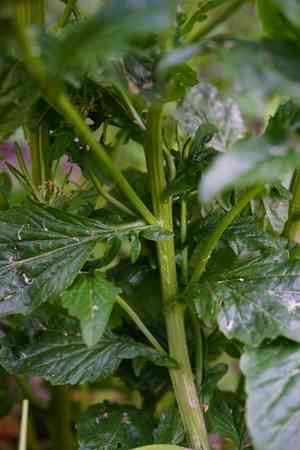
Quickly Identify Small-flowered winter-cress
1
Barbarea stricta can be identified by its erect, leafy stems and deeply lobed, shiny leaves. The yellow flowers are small and clustered at the top of the stem.
Scientific Classification of Small-flowered winter-cress
Phylum
Vascular plants
Class
Dicotyledons
Order
Brassicales
Family
Cruciferae
Genus
Winter cress
Species
Small-flowered winter-cress
Planting and Growing of Small-flowered winter-cress
Care Difficulty
Easy
Watering Schedule
Every 5 days
Sunlight Requirements
Partial sun
Sunshine Duration
6-8 hours
Ideal Temperature
60-75℉
Soil Type
Potting Mix, Peat Mix
Soil pH
6-7.5
Fertilizer Type
Balanced
Pruning Season
Spring, Summer
Pruning Area
Branches, Leaves
Pruning Frequency
2 times a year
Repotting Season
Spring
Pot Type
Plastic, Ceramic
 How to Water Small-flowered winter-cress?
For Barbarea stricta, watering should ensure that the soil remains consistently moist but not waterlogged. Aim to water until the top inch of soil feels adequately moist, providing roughly 250 milliliters per session. This helps mimic its natural habitat in moist meadows and stream banks.
What are the symptoms of an underwatered Small-flowered winter-cress?
›
What should I do if my Small-flowered winter-cress is not getting enough water?
›
What are the symptoms of an overwatered Small-flowered winter-cress?
›
How to save an overwatered Small-flowered winter-cress?
›
 What Are the Sunlight Requirements for Small-flowered winter-cress?
Barbarea stricta ideally thrives in partial to full sunlight, benefiting from consistent morning sunlight without the intensity of the afternoon sun. Proper lighting contributes to vigorous growth and healthy blooms.
What is the ideal type and amount of sunlight?
›
How can I achieve these ideal sunlight conditions for my plant?
›
What are the benefits of the ideal lighting condition?
›
 What Is the Ideal Temperature Range for Small-flowered winter-cress?
Barbarea stricta thrives best in a temperature range between 60°F and 75°F. This range provides optimal conditions for growth, ensuring robust foliage and vibrant flowers. When temperatures are consistently within this range, the plant can efficiently undergo photosynthesis and maintain healthy metabolic activities.
 What Soil is Best for Small-flowered winter-cress?
Barbarea stricta thrives in soil that maintains consistent moisture levels. This helps ensure the plant has access to water during dry spells, supporting lush growth and resilience against wilting and stress. A soil rich in nutrients provides essential minerals that promote healthy foliage and robust flowering. The nutrient-rich soil ensures that Barbarea stricta develops vibrant and attractive blossoms, which are crucial for its ornamental appeal. While moisture is important, ensuring the soil has good drainage prevents waterlogging, which can lead to root rot. Proper drainage ensures Barbarea stricta's roots remain healthy and unhindered by excess water, essential for its long-term vitality.
 How to Fertilize Small-flowered winter-cress?
When fertilizing Barbarea stricta, it is important to use a balanced fertilizer. For liquid fertilizers, apply about half the recommended strength per label to avoid over-fertilization. For solid fertilizers, use no more than a tablespoon per plant per application.
 How to Prune Small-flowered winter-cress?
Prune your Barbarea stricta during its active growing seasons—spring, summer, or autumn. Avoid drastic cuts in winter as the plant is often dormant and may not recover as quickly. Regular pruning during these seasons encourages continuous growth and flower production. Be cautious to not remove more than one-third of the plant at a time. Over-pruning can stress Barbarea stricta, making it susceptible to stress and disease. Gradually trim the plant over multiple sessions if significant size reduction is needed to ensure it remains healthy and vigorous.
More About Pruning Techniques→
 How to Propagate Small-flowered winter-cress plant?
1
Fill the seed tray with a suitable potting mix. Ensure the soil is moist but not waterlogged to provide a conducive environment for seed germination.
2
Lightly scatter the seeds over the prepared seed tray surface. Cover them with a thin layer of soil and gently water to avoid washing the seeds away.
3
Use pruning shears to take 4-6 inch long cuttings from healthy plants. Remove lower leaves and dip the cut end in rooting hormone before planting in a potting mix.
 How to Repot Small-flowered winter-cress plant?
1
Barbarea stricta should be repotted when its roots start to become visible through drainage holes or when growth appears stunted, indicating root-bound conditions. These signs typically appear in early spring or fall, times when the plant is naturally entering a growth phase and can handle disturbance better.
2
Select a pot that is at least 2 inches larger in diameter than the current one, made of breathable materials like terracotta. This provides enough space for root expansion, while the porous material aids in airflow and moisture control, crucial for preventing rot in Barbarea stricta.
3
Use a loamy, well-draining soil mix enriched with organic matter. This composition mimics the plant's natural habitat, ensures sufficient nutrient supply, and prevents waterlogging by allowing excess moisture to escape readily, crucial for the plant’s healthy growth.
Toxicity
N/A
WARNING
The judgment on toxicity and danger is for reference only. We DO NOT GUARANTEE any accuracy of such judgment. Therefore, you SHALL NOT rely on such judgment. It is IMPORTANT TO SEEK PROFESSIONAL ADVICE in advance when necessary.



