How to Propagate Small-flowered winter-cress?
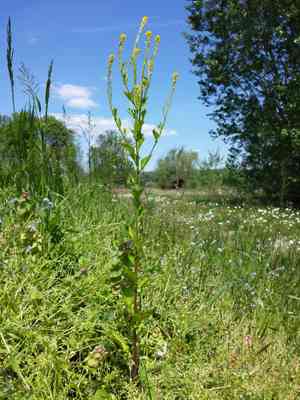
Small-flowered winter-cress flourishes when reproduced by seeding. For the best outcomes, utilize new seeds and prepare a growing medium that drains efficiently. Make sure the seeds are planted superficially, as they need some illumination for successful sprouting. Consistent irrigation will maintain soil dampness, which is vital for germination. Pay attention to adequate spacing to prevent excessive density, which could hinder development.
Optimal Time for Small-flowered Winter-cress Propagation
Propagation Method
Seeding
Propagation Period
Spring
Tools for Small-flowered Winter-cress Propagation
Seed trays
Seed trays are essential for germinating small-flowered winter-cress seeds. These containers aid in organizing and managing seed sprouting in a controlled setting. Their shallow depth and divided sections ensure each small-flowered winter-cress seed has ample room and isn't overcrowded, fostering healthier development and easier transplanting later.
Sterile potting mix
Utilizing a sterile potting mix is vital for small-flowered winter-cress's propagation as it minimizes the risk of soil-borne pathogens affecting the delicate seeds. This medium offers necessary nutrients and aeration, promoting better root development and seedling growth.
Fine mist spray bottle
A fine mist spray bottle is employed to gently irrigate small-flowered winter-cress seeds. It delivers moisture delicately, which is crucial during the vulnerable stages of seed germination and early seedling development, ensuring the soil stays damp but not excessively wet, which could lead to fungal issues.
Grow lights or cold frame
Grow lights (for indoor cultivation) or a cold frame (for outdoor cultivation) provide the necessary light and temperature regulation vital for the germination and growth of small-flowered winter-cress. This equipment ensures seedlings receive consistent light and warmth, which can be especially important in areas with unpredictable spring weather.
Labels and markers
Labels and markers are used to identify and track various batches of small-flowered winter-cress seeds, particularly when propagating multiple species or varieties. Proper labeling assists in monitoring seedling growth and health, facilitating specific care and preventing mix-ups.
Propagating Small-flowered Winter-cress: A Guide
Propagation Difficulty
Simple
Caring for Your Newly Propagated Small-flowered Winter-cress
Caring for Your Newly Propagated Small-flowered Winter-cress
Small-flowered winter-cress thrives in sunny locations with moist, well-draining soil. It exhibits moderate tolerance to drought and poor soil conditions. Consistent watering during prolonged dry spells helps maintain its vitality. Optionally, a balanced, slow-release fertilizer can be applied in early spring to support its growth and blooming. Mulching can aid in retaining soil moisture and suppressing weeds.
Common Errors to Avoid When Propagating Small-flowered Winter-cress
Overwatering
Excessive moisture can lead to root rot and fungal infections. Maintaining the correct moisture level is crucial for small-flowered winter-cress's health, especially during the initial propagation stages.
Crowding Seeds
Planting seeds too close together can hinder growth due to limited resources and space. Overcrowding can also encourage the spread of diseases among young plants.
Neglecting Light Requirements
Failing to provide adequate light during germination and early growth can result in weak and leggy seedlings, which may struggle to mature and thrive.
Advice for Propagating Small-flowered Winter-cress
Proper Soil Preparation
Ensuring the soil has good drainage and isn't overly fertile is essential for the successful germination and growth of small-flowered winter-cress.
Adequate Spacing
Space seeds appropriately to ensure each seedling has sufficient light, nutrients, and room to develop, reducing competition and enhancing overall health.
Lighting Conditions
Ensure seedlings receive ample light after germination to support vigorous and healthy growth. This condition helps in developing strong plants that can resist pests and diseases.



