The Small-flowered winter-cress Plant Advantage: Maximizing Home and Office Appeal and Wellness
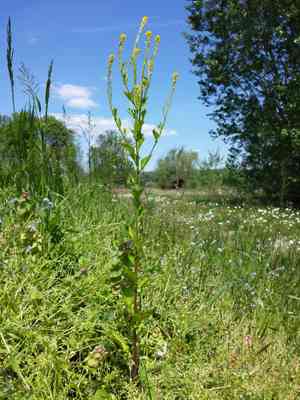
1
Lesser swinecress significantly enhances the earth's condition.
2
It offers an important nutritional supply for diverse pollinating insects.
3
Lesser swinecress is recognized for its ability to withstand severe cold weather.
How Does Small-flowered winter-cress Enhance Soil Quality?
Natural Soil Improvement
A key advantage of Small-flowered winter-cress is its capacity to naturally improve soil quality. Its deep root system helps loosen compacted soil, promoting better air flow and water penetration. Over time, this enhances soil structure, making it more suitable for other plants to flourish. As Small-flowered winter-cress decays, it returns valuable nutrients to the soil, acting as a natural fertilizer.
Erosion Prevention
Beyond its role in soil enhancement, Small-flowered winter-cress is also effective at preventing soil erosion. Its dense root network binds the soil, reducing the chance of topsoil being washed away during heavy rains. This makes Small-flowered winter-cress an excellent option for sloped areas and erosion-prone sites, contributing to your garden's long-term sustainability.
Why is Small-flowered winter-cress Important for Pollinators?
A Consistent Food Source
Small-flowered winter-cress features numerous small blossoms rich in nectar, attracting a variety of pollinators to your garden. Bees, especially, are frequent visitors, relying on the plant as a vital food source when other nectar-producing flowers are scarce. This not only supports pollinator populations but also boosts the pollination of other plants in your garden.
Biodiversity Enhancement
By drawing in diverse pollinators, Small-flowered winter-cress contributes to increased biodiversity within your garden. A wide range of pollinators ensures that various plants receive necessary pollination services, fostering a balanced and healthy ecosystem. This biodiversity can also make your garden more resistant to pests and diseases, lessening the need for chemical interventions.
How Does Small-flowered winter-cress Endure Harsh Winter Conditions?
Cold Hardiness
One of the remarkable traits of Small-flowered winter-cress is its exceptional resilience to severe winter conditions. Unlike many plants that wilt and perish in cold months, Small-flowered winter-cress remains vigorous, providing greenery and vitality to your garden even in the depths of winter. This cold hardiness ensures Small-flowered winter-cress can be a dependable presence in your garden year-round.
Minimal Upkeep
Small-flowered winter-cress is a robust plant requiring little maintenance, making it an ideal choice for gardeners of all skill levels. Its ability to thrive in various soil types and withstand low temperatures means you won't need to exert extra effort to keep it healthy. This low-maintenance aspect allows gardeners to enjoy the benefits of Small-flowered winter-cress without extensive care routines.
Why is Small-flowered winter-cress Beneficial for Natural Pest Management?
Pest Repellent Qualities
Small-flowered winter-cress has been observed to possess natural pest-deterring properties that can help protect your garden from various insects. The plant emits certain compounds that are unappealing to pests, reducing the likelihood of infestations. This can be particularly useful for gardens aiming to minimize the use of synthetic pesticides.
Supporting Beneficial Insects
In addition to deterring harmful pests, Small-flowered winter-cress also supports beneficial insects like ladybugs and predatory beetles. These insects prey on garden pests, offering a natural form of pest control. This not only helps maintain the health of your plants but also promotes a more balanced and sustainable garden ecosystem.



