How to Prune Longbract wild indigo?
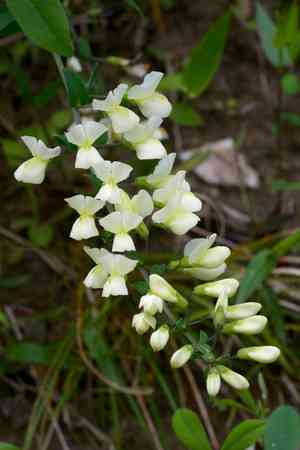
A resilient plant featuring impressive blossoms and leaves, longbract wild indigo flourishes with limited trimming to sculpt its form and eliminate faded flowers, thereby boosting subsequent flowering. The most suitable times for pruning are late spring and summer, following the blooming period, to stimulate fresh development and sustain the plant's vitality. Deadheading, which involves the careful removal of aged flowers, is especially advantageous for longbract wild indigo, fostering a neat look and potentially increasing bloom production. This type of pruning also aids in deterring undesirable self-propagation and guarantees that nutrients are channeled toward the plant's overall well-being.
Advantages of Trimming Longbract Wild Indigo
Advantages of Trimming Longbract Wild Indigo
Trimming longbract wild indigo promotes robust development and preserves its desired structure. Strategic cuts foster healthier, denser foliage and can stimulate blooming, ensuring longbract wild indigo stays compact and visually appealing.
Optimal Period for Pruning Longbract Wild Indigo
Optimal Period for Pruning Longbract Wild Indigo
Pruning longbract wild indigo in late spring coincides with its post-flowering phase, enabling gardeners to shape the plant and remove spent blooms without hindering future flowering. This timing encourages new growth and maintains an attractive form. Early summer pruning can manage size and prevent seed dispersal, ensuring longbract wild indigo's vitality and directing energy towards root development for the next cycle.
Necessary Tools for Pruning Longbract Wild Indigo
Bypass Pruners
These are ideal for making clean cuts on longbract wild indigo's stems, which is crucial for encouraging healthy regrowth. The precision of bypass pruners allows for targeted cutting of individual stems without causing unnecessary harm to the plant.
Gloves
Though not a cutting instrument, gloves are vital for protecting the gardener's hands from longbract wild indigo's potentially rough stems and any sharp pruning tools. This ensures safety and comfort during pruning.
Pruning Saw
For older, more woody stems of longbract wild indigo that have thickened over time, a pruning saw is essential. It enables the gardener to cut through thicker stems that hand pruners cannot handle.
How to Prune Longbract Wild Indigo
Inspect
Carefully examine longbract wild indigo for indications of diseased or withered leaves and stems. Identify all parts that appear unhealthy or damaged.
Sanitize
Before making any cuts, sterilize your pruning tools to prevent disease transmission. Use a solution of 1 part bleach to 9 parts water to disinfect the blades.
Trim diseased leaves
Using sharp, clean shears, carefully remove any diseased leaves from longbract wild indigo. Make cuts at the base of each leaf stem, ensuring not to harm nearby healthy tissue.
Trim withered leaves
Prune away withered or dead leaves from longbract wild indigo. Detach the leaves by cutting close to the stem to maintain a neat appearance and promote better air circulation.
Trim diseased stems
Cut out entire diseased stems of longbract wild indigo if necessary. Make cuts well below the affected areas, into healthy tissue to ensure complete removal of any diseased portions.
Common Pruning Errors with Longbract Wild Indigo
Excessive pruning
Removing too much growth can stress longbract wild indigo, leading to reduced vigor and fewer flowers. It's crucial to prune just enough to maintain shape and health without overdoing it.
Incorrect cuts
Making cuts too close to the main stem or leaving large stubs can cause damage and create entry points for disease. Clean cuts at the appropriate location preserve longbract wild indigo's health.
Using dull tools
Dull pruning tools can cause jagged cuts, harm longbract wild indigo, and invite pest infestation or disease. Always use sharp, clean tools.
Neglecting to thin
Failure to thin out longbract wild indigo's older stems may lead to poor air circulation and light penetration, which can diminish flowering and increase susceptibility to diseases.
General Pruning Advice for Longbract Wild Indigo
Selective pruning
Remove only the dead, diseased, or weak stems, focusing on thinning out crowded areas to ensure good air circulation and light exposure for longbract wild indigo.
Post-flowering maintenance
After longbract wild indigo has finished blooming, cut back flower stems to maintain a neat appearance and redirect the plant's energy back into the root system.
Shape maintenance
Lightly trim longbract wild indigo to maintain its natural form, ensuring not to cut back into woody, leafless stems as new growth may not regenerate from these areas.
Tool sanitation
Disinfect tools before and after pruning longbract wild indigo to prevent the spread of disease between plants. Using a solution of bleach or alcohol can be effective.



