The Longbract wild indigo Plant Advantage: Maximizing Home and Office Appeal and Wellness
1
Longbract wild indigo is a hardy perennial plant indigenous to North America.
2
It draws in helpful pollinators such as bees and butterflies.
3
Longbract wild indigo resists pests and illnesses, making it an easy-care plant.
What Makes Longbract wild indigo Unique?
Robust Growth and Resilience
Longbract wild indigo is recognized for its tough nature. It can endure diverse weather conditions, from hot summers to cold winters, making it an excellent option for gardens in varied climates. Its deep root system aids its survival during droughts, and its resistance to pests and diseases ensures it stays healthy with minimal intervention.
Beautiful Blooms
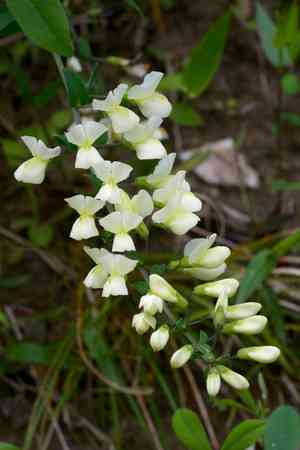
Longbract wild indigo produces striking yellow to cream-colored flowers that can brighten any garden. These blossoms not only add visual appeal but also attract various pollinators, including bees and butterflies. The presence of these pollinators can significantly enhance the health and productivity of your garden, benefiting other plants as well.
Why Should You Include Longbract wild indigo in Your Garden?
Attracts Beneficial Pollinators
As noted, the vibrant flowers of Longbract wild indigo draw in bees, butterflies, and other crucial pollinators. These insects play a vital role in pollinating many garden plants, which can lead to increased fruit and vegetable yields. By incorporating Longbract wild indigo into your garden, you're supporting the local ecosystem and boosting the biodiversity of your outdoor space.
Low Maintenance and Pest Resistance
Longbract wild indigo's natural resistance to pests and diseases makes it a low-upkeep addition to any garden. Unlike other plants that may require frequent chemical treatments or constant care, Longbract wild indigo thrives with minimal attention. This trait makes it an excellent choice for new gardeners or anyone looking to reduce time and effort spent on garden upkeep.
How to Grow and Care for Longbract wild indigo?
Planting and Soil Requirements
Longbract wild indigo prefers well-drained soil and can grow in various soil types, from sandy to clay. It thrives best in full sun but can tolerate partial shade. Plant Longbract wild indigo in early spring or fall to allow it time to establish roots before extreme weather conditions begin.
Watering and Mulching
While Longbract wild indigo is drought-tolerant, consistent watering during its initial growth phase will help it develop a strong root system. Mulching around the plant's base can help retain soil moisture and suppress weeds. Once established, it needs minimal watering, making it a water-efficient choice for sustainable gardening.
What Are the Environmental Benefits of Longbract wild indigo?
Erosion Control
Longbract wild indigo's deep root system helps to stabilize soil, making it an excellent plant for preventing erosion. By planting Longbract wild indigo on slopes or areas prone to erosion, you can help prevent soil loss and improve the overall health of the landscape.
Improving Soil Health
The plant also contributes to soil health by fixing nitrogen, an essential nutrient for plant growth. The roots of Longbract wild indigo have a symbiotic relationship with soil bacteria that convert atmospheric nitrogen into a usable form for plants. This natural process can enrich the soil, reducing the need for chemical fertilizers and promoting a healthier garden ecosystem.
What Are the Aesthetic and Functional Benefits?
Natural Landscaping
Longbract wild indigo can be used in natural landscaping projects to create a more sustainable and eco-friendly garden. Its attractive foliage and blooms can serve as focal points in garden beds or as part of a mixed border. The plant's low maintenance requirements make it ideal for xeriscaping, a landscaping method that reduces the need for irrigation.
Wildlife Habitat
In addition to attracting pollinators, Longbract wild indigo provides habitat and food for various wildlife species. Birds, small mammals, and beneficial insects can find shelter and nourishment from this versatile plant. By incorporating Longbract wild indigo into your garden, you're creating a mini-ecosystem that supports a wide range of life forms.
Sustainable Practices in Gardening with Longbract wild indigo
Reducing Chemical Use
One of the significant benefits of Longbract wild indigo is its ability to thrive without the need for chemical fertilizers or pesticides. This characteristic aligns with sustainable gardening practices, which aim to minimize chemical use and promote a healthier environment. Growing Longbract wild indigo can be a step towards a more organic and eco-friendly garden.
Promoting Biodiversity
Longbract wild indigo contributes to promoting biodiversity in your garden. By attracting a variety of pollinators and providing habitat for different species, it helps create a balanced and diverse ecosystem. This diversity can lead to a more resilient garden that can better withstand pests, diseases, and environmental stressors.



