How to Propagate Longbract wild indigo?
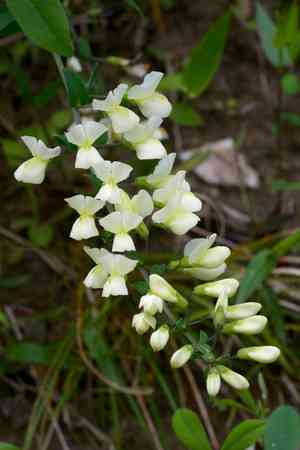
Longbract wild indigo flourishes when reproduced via seeding. For successful germination, confirm that the seeds are planted in a substrate that drains effectively, as too much dampness can impede sprouting. It is optimal to initiate propagation in a regulated setting, such as a greenhouse or indoors, where overseeing and regulating environmental factors is practical. This method aids in cultivating vigorous young plants that are more resilient when moved to an outdoor location.
Optimal Period for Propagating Longbract Wild Indigo?
Propagation Method
Seeding
Propagation Period
Spring
Tools Utilized in Longbract Wild Indigo Propagation?
Seed Trays
Seed trays are essential for starting longbract wild indigo seeds indoors under controlled conditions. Their shallow compartments facilitate easy management of seed depth and spacing, creating an ideal environment for initial germination. Separate compartments in seed trays aid in monitoring and caring for individual seedlings, ensuring they receive adequate attention and room to flourish.
Seedling Heat Mat
A seedling heat mat is vital for maintaining the ideal soil temperature, which is crucial for longbract wild indigo germination. This tool ensures consistent and optimal soil warmth for seed development, especially important in cooler climates or seasons. This heat provision mimics the warm conditions longbract wild indigo seeds need for successful germination.
Peat Pots
Peat pots are advantageous for cultivating longbract wild indigo as they minimize root disturbance during transplanting. Made from biodegradable materials, peat pots can be directly planted into the ground. This feature is particularly beneficial for longbract wild indigo, which can suffer transplant shock if its roots are disrupted.
Misting Spray Bottle
A misting spray bottle is indispensable for maintaining the delicate moisture balance required during longbract wild indigo germination. Regular misting helps keep the soil moist but not saturated, providing optimal moisture for seed sprouting without risking fungal growth or seed rot.
Fine Soil Sieve
Employing a fine soil sieve to refine potting mix can benefit longbract wild indigo by removing larger particles that might hinder the delicate emerging roots of seedlings. Fine-textured soil promotes superior root growth and water retention, enhancing overall seedling health and viability.
Labeling Sticks
Labeling sticks are useful for organizing and identifying longbract wild indigo during propagation. Detailed labeling, including sowing dates and care notes, helps track growth progress and ensures consistent care across different seed batches. Such attention to detail contributes to a more controlled and successful propagation process.
How to Propagate Longbract Wild Indigo?
Propagation Type
Simple
How to Nurture Your Newly Propagated Longbract Wild Indigo?
How to Nurture Your Newly Propagated Longbract Wild Indigo?
Post-propagation, ensure longbract wild indigo receives full sun to partial shade and is planted in well-draining soil. Minimal additional care is needed once established, but watering during extended dry periods can enhance growth and flowering. Apply a light application of balanced fertilizer in spring to support robust development. Monitor for pests and diseases, though longbract wild indigo is generally resilient. Mature plants can be divided in early spring every few years if growth becomes less vigorous or overly dense.
Common Errors to Avoid When Propagating Longbract Wild Indigo
Excessive watering during rooting
Too much water can cause root rot in longbract wild indigo, especially during the initial stages of root development. This can severely impact the overall health and survival rate of the new plants.
Planting seeds too deep
Longbract wild indigo seeds planted too deeply may not germinate properly due to insufficient access to necessary light and air, impeding their ability to sprout.
Ignoring seed pre-treatment
Longbract wild indigo seeds have a tough outer coat, requiring specific treatments to improve germination. Without such treatments, the germination rate can be very low.
Using unsuitable soil mix for propagation
Soil lacking proper drainage or sterility can negatively affect longbract wild indigo seed germination and root growth, leading to poor plant development.
Advice for Propagating Longbract Wild Indigo
Scarification of seeds
Gently scratching or nicking the seed coat of longbract wild indigo can significantly improve water absorption and germination rates.
Appropriate soil medium
Using a well-draining, sterile soil mix helps prevent diseases and supports healthier root and plant growth in longbract wild indigo.
Consistent moisture level
Maintaining a consistent but moderate moisture level in the soil is crucial for the germination and growth of longbract wild indigo, without causing waterlogging.
Sowing seeds at the correct depth
Seeds of longbract wild indigo should be sown shallowly, just covered with a thin layer of soil, to ensure they receive sufficient light to trigger germination.



