How to Prune Arrowleaf balsamroot?
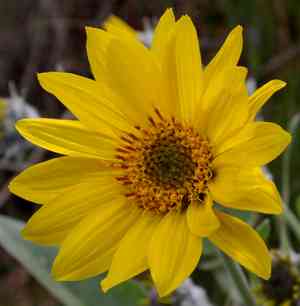
This heliophilous wild bloom, characterized by its sagittate leaves, flourishes in expansive, arid environments. For arrowleaf balsamroot, remove spent foliage in early spring to stimulate development. Removing faded blossoms after flowering encourages a neat look and potentially additional blooms. Trimming can revitalize plants that have become too large. The ideal period for pruning extends from after blooming in late autumn until early spring. Pruning improves air circulation, lowers the chance of illness, and fosters robust root structures for this drought-resistant perennial.
What Are the Benefits of Pruning Arrowleaf Balsamroot?
What Are the Benefits of Pruning Arrowleaf Balsamroot?
Trimming arrowleaf balsamroot promotes more abundant flowering, stimulates vigorous development, and maintains a compact, appealing shape. This specific care prevents excessive growth and boosts plant vitality, ensuring a superior display of its unique blossoms and leaves.
What Is the Best Time for Pruning Arrowleaf Balsamroot?
What Is the Best Time for Pruning Arrowleaf Balsamroot?
Early spring is optimal for trimming arrowleaf balsamroot as it emerges from dormancy, prior to expending energy on the year's growth, thereby reducing stress and enhancing recovery. Pruning at this time lowers the risk of disease and allows for shaping and removal of winter damage before new growth starts. Late fall is also suitable for pruning arrowleaf balsamroot once it has entered dormancy after the growing season. This timing avoids disrupting the flowering cycle and ensures the plant can direct energy into root and shoot development in the coming spring.
What Tools Do I Need to Prune Arrowleaf Balsamroot?
Hand Pruners
Perfect for making precise cuts on stems and smaller branches. Arrowleaf balsamroot typically doesn't need extensive pruning, but hand pruners help remove dead or diseased material without harming the plant.
Pruning Saw
Essential for larger stems or branches that hand pruners cannot manage. While arrowleaf balsamroot is usually a manageable size, a pruning saw is useful for any mature or woody growth requiring shaping or removal.
Gardening Gloves
Crucial for protecting hands from thorns and rough plant matter. Arrowleaf balsamroot has coarse leaves that can cause irritation, so gloves offer a safety measure for the gardener.
Loppers
Helpful for reaching stems difficult to access with hand pruners and for providing extra leverage on thicker stems. Arrowleaf balsamroot may occasionally have growth that is more efficiently managed with loppers.
Garden Shears
Good for trimming and shaping foliage if needed. Arrowleaf balsamroot might benefit from light shaping, and garden shears can quickly handle soft stems and leaves.
Disinfectant
Vital for cleaning tools between cuts to prevent disease spread. Maintaining arrowleaf balsamroot's health includes preventing pathogen transmission through proper tool hygiene.
How to Prune Arrowleaf Balsamroot
Step1: Identifying Trim Targets
Pinpoint the parts of arrowleaf balsamroot to trim, such as spent flowers, yellowed leaves, and broken stems. This action will not only improve arrowleaf balsamroot's appearance but also redirect energy towards healthier development.
Step2: Tool Preparation and Sanitization
Prepare your tools, ensuring they are clean and sharp to prevent damage to arrowleaf balsamroot. Sanitize pruners or scissors using a 10% bleach solution or rubbing alcohol to minimize disease transmission.
Step3: Deadheading Flowers
Begin with spent flowers. Using your pruners, locate the base of the faded flower stem. Make a diagonal cut just above the first set of healthy leaves. This encourages better air circulation and may promote a second bloom.
Step4: Removing Yellow Leaves
Move on to yellowed leaves. Gently grasp the yellow leaf and trace it back to its origin on the main plant. Snip the leaf off at the base, being careful not to harm surrounding healthy leaves or stems.
Step5: Trimming Broken Stems
Address broken stems. Find the damage on the stem and make a clean cut just above a set of leaves or a lateral branch. Ensuring the remaining stem has a growth point aids in arrowleaf balsamroot's recovery.
Step6: Cleanup After Pruning
After pruning, clear the area around arrowleaf balsamroot to prevent fungal diseases and pest infestations. Remove all cuttings, fallen leaves, and debris from the surrounding soil.
Step7: Watering Post-Prune
Water arrowleaf balsamroot at the base to reduce stress and settle any disturbed soil. Ensure you avoid overhead watering which can contribute to leaf diseases.
Step8: Monitoring and Maintenance
Monitor arrowleaf balsamroot for signs of new growth or additional pruning needs. Pruning is best done in the later part of dormancy for many species, but arrowleaf balsamroot can tolerate light pruning and deadheading throughout the growing season as needed.
Post-Pruning Care for Arrowleaf Balsamroot
Post-Pruning Care for Arrowleaf Balsamroot
Immediately after trimming arrowleaf balsamroot, water the plant thoroughly to alleviate stress. Maintain a stable environment, with full sun exposure, well-drained soil, and a temperature range ideal for arrowleaf balsamroot. Post-pruning, apply a balanced, slow-release fertilizer to support recovery. Regularly check for wilted leaves, discoloration, or lesions, indicative of stress or disease. If symptoms appear, adjust care or seek expert advice to prevent further damage.
Common Pruning Mistakes with Arrowleaf Balsamroot
Excessive pruning impairs photosynthesis
Over-trimming which can stress arrowleaf balsamroot and reduce its ability to photosynthesize effectively.
Improper cutting harms plant base
Cutting into the woody base of arrowleaf balsamroot rather than focusing on the dead or diseased foliage, which can damage the plant's vitality.
Unsterilized tools spread disease
Trimming without sterilizing tools, risking the spread of disease to arrowleaf balsamroot.
Rough cuts expose to pests and diseases
Tearing or ripping stems rather than making clean cuts, which can leave arrowleaf balsamroot susceptible to pests and diseases.
Disregarding natural growth harms plant
Ignoring the plant's natural shape and growth habit during trimming, resulting in an unnatural appearance and potential harm to arrowleaf balsamroot.
Common Pruning Tips for Arrowleaf Balsamroot
Sharp shears for clean cuts
Use sharp, clean pruning shears to make precise cuts on arrowleaf balsamroot, minimizing damage and potential disease entry points.
Prune only dead or dying parts
Target only the dead or dying leaves and flower stalks to maintain the health and aesthetic of arrowleaf balsamroot.
Cut spent stems post-blooming for health
Cut back the spent flower stems to the base after blooming to promote overall health and appearance of arrowleaf balsamroot.
Minimal pruning for sensitive plants
Be conservative with pruning, as arrowleaf balsamroot does not respond well to heavy cutting back.
Keep basal rosette to encourage growth
Leave the basal rosette of leaves intact to ensure arrowleaf balsamroot continues to thrive, as this is where the new growth will emerge.



