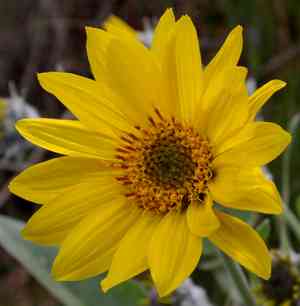
Arrowleaf balsamroot (Balsamorhiza sagittata)
Also known as: arrowleaf balsamroot
Big sagebrush (Artemisia tridentata) is a perennial flowering herb indigenous to North America, thriving in the western parts of the United States and Canada. Noted for its strong, bitter flavor, this plant is a prominent feature of the region's flora.
In This Article
Attributes of Arrowleaf balsamroot
Lifespan
Perennial
Plant Type
Herb
Plant Height
20 cm to 60 cm
Spread
50 cm to 60 cm
Leaf Color
Green White Silver Bronze
Flower Size
10 cm to 13 cm
Flower Color
Yellow Brown
Images of Arrowleaf balsamroot
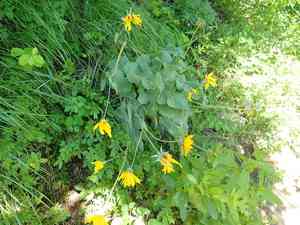
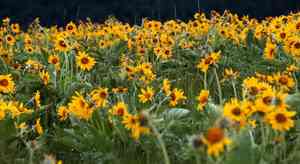
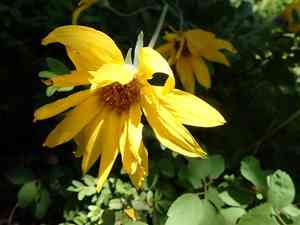
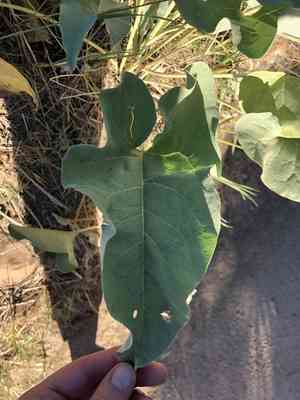
Quickly Identify Arrowleaf balsamroot
1
To identify Balsamorhiza sagittata, look for large, triangular to arrow-shaped, silvery-green leaves and bright yellow, sunflower-like flower heads with a dark brown center. These plants typically grow in clusters.
Scientific Classification of Arrowleaf balsamroot
Phylum
Vascular plants
Class
Dicotyledons
Order
Asterales
Family
Daisy
Genus
Balsamroots
Species
Arrowleaf balsamroot
Planting and Growing of Arrowleaf balsamroot
Care Difficulty
Easy
Watering Schedule
Every 2 days
Sunlight Requirements
Full sun
Sunshine Duration
6-10 hours
Ideal Temperature
60-80℉
Soil Type
Potting Mix, Peat Mix
Soil pH
6.5-7.5
Fertilizer Type
Balanced
Pruning Season
Spring, Summer
Pruning Area
Branches, Leaves
Pruning Frequency
2 times a year
Repotting Season
Spring
Pot Type
Plastic, Ceramic
 How to Water Arrowleaf balsamroot?
Balsamorhiza sagittata, commonly known as arrowleaf balsamroot, requires moderate watering. The key is to ensure the soil is evenly moist but not waterlogged. Aim for about 500 ml of water each session to fully moisten the root zone without causing puddles. This helps in establishing deep root growth, mimicking its natural environment where water is available intermittently.
What are the symptoms of an underwatered Arrowleaf balsamroot?
›
What should I do if my Arrowleaf balsamroot is not getting enough water?
›
What are the symptoms of an overwatered Arrowleaf balsamroot?
›
How to save an overwatered Arrowleaf balsamroot?
›
 What Are the Sunlight Requirements for Arrowleaf balsamroot?
Balsamorhiza sagittata flourishes in full sun. Providing such conditions enhances its growth and flowering, maximizing photosynthesis and nutrient synthesis, essential for vibrant foliage and blooms.
More About Sunlight Requirements Techniques→
What type of light does Balsamorhiza sagittata prefer?
›
How can I provide ideal light for Balsamorhiza sagittata?
›
What are the benefits of ideal lighting for Balsamorhiza sagittata?
›
 What Is the Ideal Temperature Range for Arrowleaf balsamroot?
Balsamorhiza sagittata thrives best in temperatures ranging from 60°F to 80°F. These conditions replicate its natural growing environment in the mountains, providing adequate warmth to support photosynthesis and overall plant health.
 What Soil is Best for Arrowleaf balsamroot?
Balsamorhiza sagittata thrives in well-drained soil, which prevents waterlogging and root rot. Ensuring excess water drains away promotes healthy root growth, allowing the plant to absorb nutrients effectively, leading to strong and vibrant foliage. A soil rich in essential nutrients supports the optimal growth of Balsamorhiza sagittata. Adding organic matter like compost can enhance the soil's fertility, providing the plant with the necessary nitrogen, phosphorus, and potassium for vigorous blooming and disease resistance. Although Balsamorhiza sagittata is tolerant of cooler temperatures, it benefits from soil that doesn't freeze solid. Providing a soil environment that remains above freezing ensures root viability and prevents frost heaving, which can damage the plant's root system.
 How to Fertilize Arrowleaf balsamroot?
Balsamorhiza sagittata, commonly known as arrowleaf balsamroot, is typically low-maintenance when it comes to fertilization. For this hardy perennial, a gentle approach is best. With liquid fertilizer, use a diluted solution of 1/2 teaspoon per gallon of water. For slow-release granules, apply at a rate of about 1/4 cup per mature plant. Remember, this plant thrives in nutrient-poor soils naturally, so moderation is key.
 How to Prune Arrowleaf balsamroot?
Begin by examining the plant for any dead or damaged leaves and stems. Using sharp, sterilized pruning shears, carefully trim these sections down to the base. It's important to make clean cuts to avoid damaging the plant. Focus on maintaining the natural shape of Balsamorhiza sagittata, allowing for open spaces that promote air circulation. Regular annual pruning stimulates robust foliage and maintains overall plant health.
More About Pruning Techniques→
 How to Propagate Arrowleaf balsamroot plant?
1
Start by filling seed trays with a well-draining potting mix. Sow the Balsamorhiza sagittata seeds about 1/4 inch deep and keep them moist but not waterlogged. Provide bright, indirect light to encourage germination.
2
In early spring, dig up the mature plant and divide the root clump into smaller sections, each with ample roots and shoots. Replant immediately in well-prepared soil and water thoroughly.
3
Select healthy roots of the plant during late spring, cutting sections that are about 3-4 inches long. Plant these cuts horizontally in pots filled with a light potting mix. Keep them moist until rooting occurs.
 How to Repot Arrowleaf balsamroot plant?
1
Repotting Balsamorhiza sagittata is best signaled when you notice roots growing out of the drainage holes, or the soil seems to dry out faster than usual. This indicates that the plant has outgrown its current pot and is in need of a larger home to thrive.
2
Choose a pot that is only slightly larger than the current one, ideally one or two inches wider in diameter. This helps ensure the roots have room to expand but not so much that the soil stays excessively wet. A pot with drainage holes is vital to prevent waterlogging and ensure healthy root growth.
3
A well-draining sandy loam soil is ideal for Balsamorhiza sagittata. This type of soil ensures adequate drainage while retaining the right amount of moisture, which is crucial as this plant is native to dry environments. Adding some coarse sand or perlite can enhance aeration and prevent root rot.
Learn More About Arrowleaf balsamroot Diseases
Anthracnose
Bacterial Leaf Spot
Bacterial Wilt
Crown Gall
Cyst Nematode
Damping-off
Downy Mildew
Drought Stress
Fusarium Wilt
Gray Mold
Leaf Spot
Mosaic
Nutrient Deficiency
Nutrient Toxicity
Powdery Mildew
Root Rot
Root-knot Nematode
Rusts
Sooty Mold
Spider Mites
Temperature Stress
Thrips Damage
White Mold



