How to Propagate Arrowleaf balsamroot?
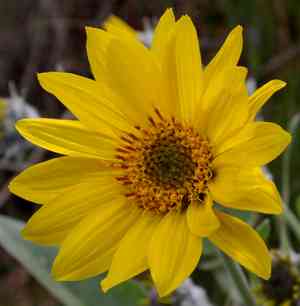
The primary method for propagating Arrowleaf balsamroot is through seeding in the springtime. This process presents a moderate challenge, with indicators of success being the emergence of fresh foliage and the establishment of root structures. Maintaining consistent hydration and utilizing soil with good drainage significantly enhances their prospects for robust development.
Optimal Time for Arrowleaf Balsamroot Propagation
Propagation Method
Seeding
Propagation Period
Spring
Tools for Arrowleaf Balsamroot Propagation
Seed trays or pots
Seed trays or small containers are vital for initiating arrowleaf balsamroot seeds. These vessels offer a controlled setting for seed sprouting. They must have adequate drainage holes to prevent waterlogging, which can cause decay of the arrowleaf balsamroot seeds.
Seed starting mix
A premium seed starting mix is a specialized soilless medium formulated for ideal seed germination. It is typically lighter and more sterile than standard potting soil, which helps reduce disease risk for arrowleaf balsamroot during its early growth phases.
Watering can with a fine rose
Gentle irrigation is crucial for arrowleaf balsamroot seedlings. A watering can equipped with a fine rose attachment allows for soft, even watering that will not disturb or wash away the seeds. Consistent moisture levels are important for successful germination and growth of arrowleaf balsamroot.
Growth lights/ Heat mat (optional)
If propagating arrowleaf balsamroot indoors or during colder months, using grow lights or a heat mat can provide the necessary warmth and light intensity for arrowleaf balsamroot seeds to sprout and seedlings to flourish. This replicates the natural conditions arrowleaf balsamroot would experience in its native environment.
Labeling materials
Labels are important for tracking the progress of arrowleaf balsamroot from sowing to transplanting. They assist in noting the planting date and any other pertinent information, such as the specific variety of arrowleaf balsamroot.
Trowel
A trowel is a small hand tool used to create small holes for transplanting arrowleaf balsamroot seedlings into the garden or larger containers. Its ergonomic design allows for precision and minimizes damage to the root system during transplanting.
Pruning shears
Pruning shears may be needed to remove any dead or diseased foliage from arrowleaf balsamroot as it develops from a seedling to a mature plant. Clean cuts are essential for the plant's health, and pruning shears can provide this without causing undue stress or harm.
How to Propagate Arrowleaf Balsamroot?
Propagation Type
Sowing
Difficulty Level
Easy
Caring for Your Newly Propagated Arrowleaf Balsamroot
Caring for Your Newly Propagated Arrowleaf Balsamroot
Arrowleaf balsamroot is a robust, drought-tolerant species that requires minimal upkeep once established. Water the plants occasionally during extended dry spells in the initial growing season to aid in taproot system development. Afterward, extra watering is generally unnecessary except in extremely arid conditions. Mulching can help retain moisture and suppress weeds. Fertilization is typically not needed as arrowleaf balsamroot is adapted to low-nutrient environments. Monitor for signs of pests or diseases, though arrowleaf balsamroot is usually quite resilient. Remove spent flowers to encourage further blooming, if desired, or leave them for self-seeding.
Common Errors to Avoid When Propagating Arrowleaf Balsamroot
Overwatering
Excessive watering can lead to root rot in arrowleaf balsamroot, as the species is accustomed to relatively dry conditions. Saturated soils lack the essential oxygen for roots to respire, potentially killing the plant.
Deep planting
Planting arrowleaf balsamroot's seeds too deeply can hinder successful germination because the seeds require a certain amount of light and less soil resistance to emerge effectively.
Neglecting soil type
Using an unsuitable soil type can impede the growth of arrowleaf balsamroot. The species prefers well-drained soils, and employing dense or clay-heavy soils can obstruct proper root development.
Overcrowding
Overcrowding arrowleaf balsamroot seeds or seedlings can result in competition for resources and may lead to weaker plants due to limited access to nutrients, light, and space.
Tips for Propagating Arrowleaf Balsamroot
Soil preparation
Preparing a well-draining soil mix that mimics arrowleaf balsamroot's natural habitat is crucial for root health and overall plant vigor.
Scarification
Implementing a scarification process on arrowleaf balsamroot's seeds helps break down the seed coat, facilitating water absorption and successful germination.
Stratification
Cold stratifying the seeds of arrowleaf balsamroot can enhance germination rates by simulating the natural winter conditions that the seeds would otherwise experience in the wild.
Correct planting depth
Sowing arrowleaf balsamroot's seeds at the proper depth is critical. They should be sown on the soil surface or just lightly covered with a thin layer of soil, allowing sufficient light for germination.



