How to Overwinter Arrowleaf balsamroot
1
Arrowleaf balsamroot is a robust plant well-suited for outdoor settings.
2
Consistent checking of soil dampness is crucial for plant well-being in colder months.
3
Applying mulch offers superb protection from low temperatures, safeguarding the root system.
Understanding Arrowleaf balsamroot Characteristics
Understanding Arrowleaf balsamroot Characteristics
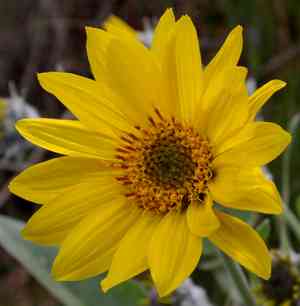
The Arrowleaf balsamroot (Balsamorhiza sagittata) is a perennial herb indigenous to the western United States. Recognized for its large, arrow-shaped foliage and vibrant yellow blooms, this plant is highly adaptable and robust, enduring drought and poor soil conditions. It flourishes in well-drained, sunny environments and is remarkably resilient, making it an excellent option for gardens in colder climates. Grasping these traits is crucial when readying the plant for the severe winter months.
Preparing Arrowleaf balsamroot for Overwintering
Assessing Plant Health
Prior to winter's arrival, it's essential to evaluate the health of your Arrowleaf balsamroot. Robust plants are better equipped to endure the cold season. Look for indications of illness, pests, or any other harm. Remove any affected portions and address any problems accordingly to ensure the plant is in optimal condition before winter.
Trimming and Pruning
Before the initial frost, carefully trim and prune Arrowleaf balsamroot to remove dead or damaged foliage. This not only encourages vigorous growth in the spring but also lessens the plant's susceptibility to disease and pests during winter. Aim to cut back the stems to approximately 10-15 cm (4-6 inches) to help the plant conserve energy.
Ensuring Proper Soil Conditions
Soil Preparation Tips
Begin by ensuring your Arrowleaf balsamroot is in soil that drains effectively. Incorporate organic material such as compost into the soil to improve its structure and nutrient content. Good drainage prevents water from accumulating around the roots, which can freeze and harm the plant.
Mulching for Protection
Mulching is a straightforward yet effective method to safeguard Arrowleaf balsamroot roots from freezing temperatures. Apply a thick layer (approximately 5-8 cm / 2-3 inches) of organic mulch, such as straw, wood chips, or leaves, around the base of the plant. This insulation helps maintain a consistent soil temperature and prevents the roots from freezing.
How to Shield Arrowleaf balsamroot from Extreme Weather?
Using Physical Barriers
Physical barriers like windbreaks or burlap screens can shield Arrowleaf balsamroot from harsh winter winds. Position these barriers around the plant to lessen wind exposure and minimize potential damage. Such protection is particularly beneficial in open or exposed garden areas.
Temporary Coverings
For additional protection, consider utilizing temporary coverings, such as frost cloths or old bedsheets, during especially cold nights. Drape the coverings over the plants overnight and remove them during the day to allow sunlight and air circulation. This method provides an extra layer of warmth and protects the plant from frost.
Maintaining Arrowleaf balsamroot Over Winter
Monitoring Moisture Levels
Although Arrowleaf balsamroot is drought-tolerant, maintaining appropriate moisture levels during winter remains crucial. Check the soil regularly and water sparingly when the top 5-8 cm (2-3 inches) are dry. Over-watering can lead to root rot, while under-watering can cause the plant to become dehydrated.
Checking for Pests and Diseases
Throughout the winter, periodically inspect your Arrowleaf balsamroot for signs of pests or diseases. Look under the mulch and on the plant itself. Early detection and intervention are key to preventing any issues from escalating and ensuring a healthy plant come springtime.



