How to Prune Carambola?
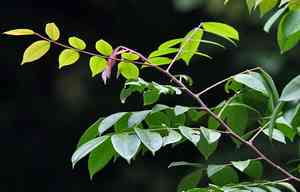
Distinguished by its unique star-shaped produce and dense growth pattern, the carambola plant thrives with judicious trimming. Essential methods involve excising deceased or ailing branches, reducing congested limbs to enhance airflow, and molding the crown for symmetrical development. The most effective time for pruning is in the spring, which encourages robust new stems. Important points include executing precise cuts to prevent illness and boosting fruit yield by selectively eliminating branches, a direct advantage of focused pruning for this particular variety.
What Are the Benefits of Pruning Carambola?
What Are the Benefits of Pruning Carambola?
Trimming carambola promotes a more plentiful yield by directing energy towards fruit development. It also fosters robust growth, ensuring a sturdy framework. Regular cutting helps maintain the desired form, enhancing visual appeal and supporting the plant's overall vitality.
What Is the Best Time for Pruning Carambola?
What Is the Best Time for Pruning Carambola?
Pruning carambola in early spring is the ideal choice as this period aligns with the conclusion of the plant's dormant phase, just prior to the onset of vigorous growth. This timing enables the plant to recover quickly from cuts and efficiently allocate energy to new development. Furthermore, pruning before warmer temperatures arrive minimizes the risk of disease and pest infestations, which are more common during hot, humid conditions. Early spring pruning also aids in shaping the plant, removing any frost-damaged branches, and encouraging a more productive fruiting season. Since carambola typically fruits multiple times a year after growth spurts, establishing a strong structure and removing excess or dead material will facilitate better light penetration and air circulation, leading to healthier fruit production. Adhering to these guidelines ensures that carambola remains healthy, well-structured, and fruitful.
What Tools Do I Need to Prune Carambola?
Hand Pruners
Perfect for trimming small branches and shaping carambola, hand pruners offer precision and are easy to operate. Opt for a bypass type for clean cuts.
Lopping Shears
For thicker branches that hand pruners cannot manage, lopping shears provide the necessary extra leverage due to their extended handles.
Pruning Saw
When dealing with the thickest branches on carambola, a pruning saw is essential. Its serrated blade can cut through wood too large for loppers.
Pole Pruner
For elevated branches that are out of reach, a pole pruner allows for trimming without a ladder, safely maintaining carambola's structure.
Hedge Shears
If shaping the outer canopy of carambola or creating a hedge, hedge shears provide a straight, horizontal cut for uniform growth.
How to Prune Carambola
Identify And Remove Dead Material
Carefully inspect carambola for any dead or dying branches. Using sharp, sanitized pruning shears, remove these branches by cutting them at their base where they meet healthy wood. Make clean cuts to prevent damage to the remaining healthy tissue.
Check For Diseases
Examine carambola further for signs of disease, such as discolored leaves, cankers, or unusual growths. Isolate any diseased branches to avoid spreading infection.
Prune Diseased Branches
Use a clean pair of shears or a pruning saw for larger branches to trim away identified diseased parts. Ensure tools are sterilized between cuts if disease is present to prevent contamination of healthy parts of carambola. Remove diseased material from the site to dispose of it properly.
Thin Interior
Thin out the interior of carambola to improve light penetration and air circulation, which helps prevent disease. Avoid excessive removal, which might stress carambola.
Pruning Balance
Step back and check carambola for balance and structure after removing dead and diseased branches. If necessary, lightly trim any disproportionately long or unwieldy branches to maintain an even shape and promote healthy growth patterns.
Common Pruning Mistakes with Carambola
Over-Pruning
Cutting back too much of carambola's foliage or branches can stress the plant and hinder its growth and fruit production.
Under-Pruning
Failing to remove enough old or dead material from carambola can result in a cluttered structure and may lead to diseases or pests.
Improper Cut Locations
Incorrectly cutting above or below the nodes on carambola's branches can result in poor healing and lead to disease entry.
Using Dull Tools
Pruning carambola with dull tools can cause jagged cuts that can make the plant more susceptible to pests and diseases.
Disregarding Plant Shape
Ignoring the natural growth habit of carambola when pruning can result in an unbalanced shape and reduced productivity.
Common Pruning Tips for Carambola
Sterilize Pruning Tools
Ensure all cutting tools are sterilized before pruning carambola to prevent the spread of disease.
Sharp Instruments
Use sharp pruning shears or saws for clean cuts that heal more quickly on carambola.
Know Where To Cut
Make cuts on carambola just above leaf nodes at a 45-degree angle to encourage new growth in the desired direction.
Consider Plant Health
Evaluate carambola's health and vigor before deciding on the extent of pruning; weaker plants may require less pruning.
Thin Out Crowded Areas
Remove some of the denser inner branches of carambola to improve air circulation and light penetration, which can increase fruit production.



