How to Prune Tumbling saltweed?
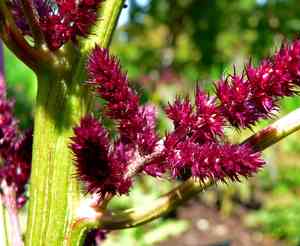
This robust, arid-adapted subshrub is recognized for its durability in dry climates. The best approach to trimming tumbling saltweed entails eliminating deceased or compromised stalks and performing gentle shaping to foster dense development. The most suitable periods for pruning are in spring, summer, and autumn, while the plant is vigorously developing. Trimming encourages fresh shoots, sustains the plant's well-being, and can accentuate its inherent cascading form. Refrain from extensive cutting to safeguard its fragile framework.
What Are the Benefits of Pruning Tumbling Saltweed?
What Are the Benefits of Pruning Tumbling Saltweed?
Trimming tumbling saltweed encourages robust development and helps preserve its desired form. Consistent cutting manages its size, fostering a denser, healthier specimen.
What Is the Best Time for Pruning Tumbling Saltweed?
What Is the Best Time for Pruning Tumbling Saltweed?
Pruning tumbling saltweed in spring coincides with the start of its growth cycle, promoting vigorous new shoots while minimizing plant stress. Early summer is also suitable for shaping tumbling saltweed after its spring growth spurt, allowing ample time for recovery before the intense heat of late summer. Early fall pruning is ideal for removing spent growth from the active season and preparing tumbling saltweed for winter dormancy, preventing new growth from being damaged by early frosts. These periods avoid disrupting flowering or dormant phases and encourage a strong plant response, ensuring its health and longevity.
What Tools Do I Need to Prune Tumbling Saltweed?
Hand pruners
Suitable for cutting through stems and small branches of tumbling saltweed, hand pruners allow for accurate cuts without harming the plant's delicate tissues.
Pruning shears
Perfect for shaping and managing the size of tumbling saltweed, these shears provide a clean cut, which is vital for the plant's well-being and to prevent unnecessary strain.
Gloves
Protecting the gardener's hands is essential due to tumbling saltweed's potentially rough texture or any sharp edges it might have.
How to Prune Tumbling Saltweed
Sanitize
Before beginning, ensure all pruning tools are clean and disinfected to prevent disease transmission. Wipe blades with rubbing alcohol or a bleach solution.
Identify
Carefully examine tumbling saltweed to locate dead leaves. These are typically discolored, dry, and may feel brittle.
Cut
Using sharp pruning shears, snip off the dead leaves at their base where they meet the stem or the next set of healthy leaves. Make a clean, smooth cut to minimize damage to tumbling saltweed.
Dispose
Remove and properly discard the dead leaves. Do not compost if they show signs of disease; instead, dispose of them in the trash to avoid contamination.
Inspect
After pruning, check tumbling saltweed for other potential issues like pests or diseases. Early detection can help maintain the plant's health and vigor.
Common Pruning Mistakes with Tumbling Saltweed
Overzealous Pruning
Cutting back tumbling saltweed too severely can stress the plant and impede its natural growth patterns. Beginners might remove too much foliage, mistaking tumbling saltweed's natural sprawling habit for excessive growth.
Inattentiveness To Plant Structure
Failing to recognize and maintain the natural shape and branching structure of tumbling saltweed during pruning can lead to an unnatural appearance and potentially harm the plant's health.
Improper Cutting Technique
Using dull or dirty cutting tools can damage tumbling saltweed's stems, resulting in jagged cuts that may introduce diseases and pests, or hinder healing and regrowth.
Ignoring Dead Or Diseased Material
Neglecting to remove dead, diseased, or damaged foliage from tumbling saltweed not only affects its appearance but also risks spreading pathogens that can harm the plant.
Adverse Impact On Habitat
Not considering tumbling saltweed's role in the local ecosystem during pruning can lead to inadvertently reducing the plant's ability to provide food or shelter for wildlife.
Common Pruning Tips for Tumbling Saltweed
Follow Natural Growth Pattern
When pruning tumbling saltweed, aim to preserve its natural, rounded form by selectively thinning out overgrown areas to promote air circulation and light penetration.
Use Sharp Clean Tools
Ensure that pruning tools are sharp and clean before each use to make precise cuts that tumbling saltweed can heal quickly from, minimizing stress and disease risk.
Selective Pruning
Target only the old, non-vigorous stems for removal. This encourages tumbling saltweed to produce fresh, healthy growth without compromising the plant's overall vigor.
Periodic Thinning
Regularly thin out dense areas by pruning some of the interior stems of tumbling saltweed. This promotes better air circulation and reduces the risk of fungal diseases.
Cut Above Node
When cutting back stems, make the cut just above a leaf node or branching point. This ensures that tumbling saltweed can efficiently produce new growth from the remaining buds.



