How to Propagate Tumbling saltweed?
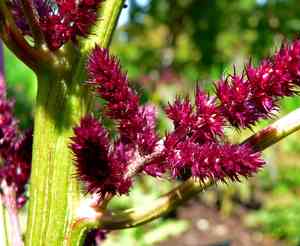
Tumbling saltweed is recognized for its robust character and capacity to thrive in dry climates. For propagation, cultivators ought to gather seeds from fully developed specimens. Verify that the substrate drains effectively and possesses a somewhat alkaline pH, replicating tumbling saltweed's native surroundings. Disperse seeds across the top layer and gently conceal them with earth, preserving dampness until sprouting occurs. Caution must be exercised to prevent excessive watering, as this variety tolerates drought and is vulnerable to root decay. Given appropriate attention, young plants will appear, prepared to endure diverse circumstances.
Optimal Period for Tumbling Saltweed Propagation
Propagation Method
Seeding
Propagation Period
Spring
Tools Required for Tumbling Saltweed Propagation
Seed trays
Seed trays are essential for initiating tumbling saltweed seeds in a controlled setting. They facilitate the initial growth phase by offering ample room for each seed, ensuring proper air circulation, and preventing disease spread. The tray compartments aid in managing sowing density, which is crucial for optimal seedling development.
Quality potting mix
A light, nutrient-rich potting mix aids the germination of tumbling saltweed seeds by maintaining ideal soil moisture and supplying vital nutrients. The mix should drain well to prevent waterlogging, a condition that could harm tumbling saltweed seed germination and seedling growth.
Misting bottle
A misting bottle is utilized to gently water tumbling saltweed seeds and seedlings, ensuring the soil is damp but not overly saturated. This tool helps maintain the delicate moisture balance necessary for seed germination, especially for sensitive seeds like those of tumbling saltweed.
Growth lights
If propagating indoors or in shaded areas, growth lights can provide the necessary light spectrum to support the healthy development of tumbling saltweed seedlings. These lights mimic natural sunlight, promoting better growth and assisting in the early stages of photosynthesis.
Heat mat
A heat mat helps maintain a consistent soil temperature, which is vital for the germination of tumbling saltweed seeds. Stable temperature conditions are crucial for promoting uniform and efficient germination rates, particularly in cooler climates or seasons.
How to Propagate Tumbling Saltweed?
Propagation Type
Simple
Caring for Your Newly Propagated Tumbling Saltweed
Caring for Your Newly Propagated Tumbling Saltweed?
Tumbling saltweed plants tolerate saline and arid conditions, making them relatively low-maintenance. After propagation, ensure young plants receive full sun exposure and water sparingly, as they are drought-tolerant. Minimize fertilization to prevent excessive growth at the expense of health and stability. Once established, tumbling saltweed requires very little care and can thrive in poor soil conditions where many other plants might not survive.
Common Errors to Avoid When Propagating Tumbling Saltweed
Overwatering
Watering tumbling saltweed too often can lead to root rot and other fungal diseases. This species is adapted to dry conditions and therefore does not require constant moisture.
Deep planting
Planting tumbling saltweed's seeds too deep can hinder germination due to insufficient light exposure and excessive moisture.
Neglecting seed stratification
Failing to stratify tumbling saltweed's seeds, which involves simulating natural winter conditions to break dormancy, can result in poor germination rates.
Tips For Propagating Tumbling Saltweed
Light seed-covering
Lightly covering tumbling saltweed seeds with soil ensures they receive enough light for effective germination while also retaining adequate moisture.
Providing proper drainage
Ensuring the planting medium has good drainage is crucial for tumbling saltweed. This prevents water accumulation around the roots, protecting the plant from root diseases.
Stratification of seeds
For successful germination, stratify tumbling saltweed's seeds by exposing them to cold conditions before planting. This can be achieved through refrigeration or other methods depending on the local climate.



