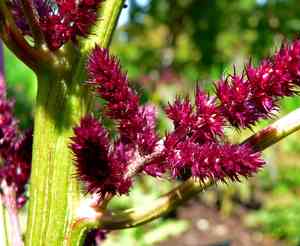
Tumbling saltweed (Atriplex rosea)
Also known as: Red orach, Tumbling orach, Tumbling oracle
Atriplex rosea, also known as red orach, redscale, and tumbling saltbush, is an annual herb with upright, smooth stems. This plant is indigenous to Eurasia.
In This Article
Attributes of Tumbling saltweed
Lifespan
Annual
Plant Type
Herb
Plant Height
1.5 m
Spread
Not specifically measured, but approximately 0.3 to 0.6 meters (1 to 2 feet)
Leaf Color
Green to reddish
Flower Size
5 mm
Flower Color
Yellow Green Brown
Images of Tumbling saltweed
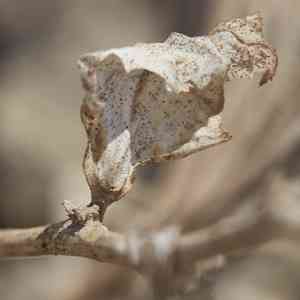
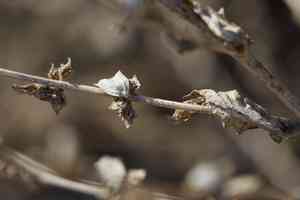
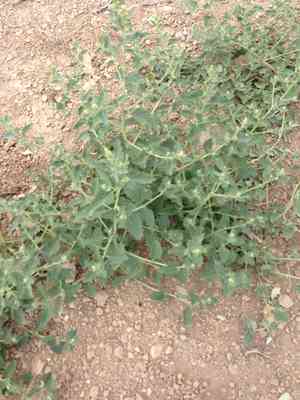
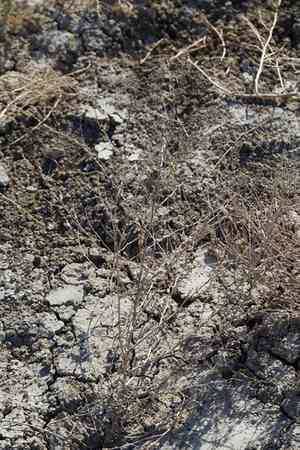
Quickly Identify Tumbling saltweed
1
Atriplex rosea can be identified by its triangular to diamond-shaped leaves, which may have a frosty or mealy appearance due to tiny, salt-excreting glands on the surface. The plant typically exhibits a reddish hue, particularly on the stems and young leaves.
Scientific Classification of Tumbling saltweed
Phylum
Vascular plants
Class
Dicotyledons
Order
Caryophyllales
Family
Amaranth
Genus
Saltbush
Species
Tumbling saltweed
Planting and Growing of Tumbling saltweed
Care Difficulty
Easy
Watering Schedule
Every 2 days
Sunlight Requirements
Full sun
Sunshine Duration
8-12 hours
Ideal Temperature
68-77℉
Soil Type
Potting Mix
Soil pH
6.5-8.5
Fertilizer Type
Balanced
Pruning Season
Spring, Summer
Pruning Area
Branches, Leaves
Pruning Frequency
2 times a year
Repotting Season
Spring
Pot Type
Plastic, Ceramic
 How to Water Tumbling saltweed?
Atriplex rosea appreciates a modest amount of water, typically around 500 milliliters per session. This amount should be enough to moisten the soil without leaving it soggy, ensuring the roots have consistent access to moisture without risking root rot. Always check the top 2-3 inches of soil before watering.
What are the symptoms of an underwatered Tumbling saltweed?
›
What should I do if my Tumbling saltweed is not getting enough water?
›
What are the symptoms of an overwatered Tumbling saltweed?
›
How to save an overwatered Tumbling saltweed?
›
 What Are the Sunlight Requirements for Tumbling saltweed?
Atriplex rosea thrives in full to partial sun, ideally soaking in 6 to 8 hours of light daily. This lighting condition propels its growth and ensures a healthy, vibrant plant with robust foliage.
More About Sunlight Requirements Techniques→
What is the best location to plant Atriplex rosea?
›
How do I ensure it gets enough light indoors?
›
What are the benefits of ideal lighting for Atriplex rosea?
›
 What Is the Ideal Temperature Range for Tumbling saltweed?
The ideal temperature range for cultivating Atriplex rosea falls between 68°F and 77°F. This range provides optimal conditions for growth, ensuring that the plant's metabolic processes function effectively. Temperatures within this range facilitate proper photosynthesis and nutrient uptake, promoting robust foliage and overall plant health.
 What Soil is Best for Tumbling saltweed?
Why does Atriplex rosea need well-draining soil? Well, proper drainage prevents waterlogging, a condition that can severely damage its roots and cause poor growth. What nutrient content does Atriplex rosea prefer? Rich organic content helps in robust growth by supplying essential nutrients for optimal photosynthesis. How does pH affect Atriplex rosea? Keeping pH between 6.5 and 8.5 ensures that the plant can efficiently absorb available nutrients.
 How to Fertilize Tumbling saltweed?
For Atriplex rosea, fertilizing requires delicate attention. When using liquid fertilizer, ensure the concentration is diluted to half of the recommended strength. For solid fertilizers, apply approximately 1/4 cup per plant or as per soil needs to avoid nutrient burn.
 How to Prune Tumbling saltweed?
Begin pruning in early spring when the risk of frost has passed but before the plant starts actively growing. Repeat throughout the summer to control growth and shape. Avoid heavy pruning during the hottest summer months to reduce stress. Use sharp, clean pruning shears to avoid tearing branches. Make precise cuts at a 45-degree angle to aid in healing, promoting even moisture run-off, and reducing disease risk. Sharp tools ensure clean cuts, reducing the likelihood of infections or dieback. Avoid cutting into the older wood, as this can stunt growth and weaken the plant. Focus on trimming the younger, more vigorous branches. Leaving older wood intact helps maintain the plant’s structural integrity and support system, ensuring robust development.
More About Pruning Techniques→
 How to Propagate Tumbling saltweed plant?
1
Choose high-quality, viable seeds from a reputable source. Inspect them for any signs of damage or disease, as compromised seeds may not germinate effectively and could lead to weak plants.
2
Use a well-draining soil mix, ideally with sand and peat combined. This mixture provides good aeration, which is crucial for seed germination and cutting root development.
3
Sow seeds at a shallow depth or plant cuttings with the help of rooting hormone. Ensure cuttings have at least one node buried in the soil. Lightly water after planting to moisten the soil.
 How to Repot Tumbling saltweed plant?
1
Atriplex rosea should be repotted when its roots start to outgrow the current container, which can be noticed when roots emerge from the drainage holes or when its growth appears stunted. Typically, this plant may need repotting every two years or when it has significantly filled the pot.
2
Select a pot that is slightly larger than the current one, ensuring it has adequate drainage holes. A pot that is too large may retain excess moisture, which can lead to root rot. A right-sized pot helps accommodate the plant's root system while preventing waterlogging, thus supporting healthy growth.
3
For Atriplex rosea, use a well-draining sandy loam soil. This type of soil provides good drainage preventing root rot and compaction, while retaining enough moisture to support the plant’s nutrient needs. A proper soil mix ensures the plant remains healthy and vigorous.
Learn More About Tumbling saltweed Diseases
Anthracnose
Bacterial Leaf Spot
Bacterial Soft Rot
Bacterial Wilt
Black Spot
Chemical Injury
Crown Gall
Cyst Nematode
Damping-off
Downy Mildew
Drought Stress
Fusarium Wilt
Gray Mold
Leaf Curl
Leaf Spot
Mosaic
Nutrient Deficiency
Nutrient Toxicity
Powdery Mildew
Root Rot
Root-knot Nematode
Rusts
Sooty Mold
Spider Mites
Temperature Stress
Thrips Damage
White Mold



