How to Prune Frosted orache?
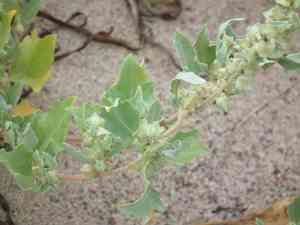
This resilient perennial herb, tolerant of saline conditions, flourishes in seaside environments. For frosted orache, trimming should coincide with periods of vigorous development, generally from spring to autumn. Consistent pruning promotes a denser form, with minor cuts to sculpt and eliminate deceased or excessively long branches. Periodic pruning sustains vitality and strength, and can deter self-propagation if preferred. Utilizing sharp, sanitized shears is crucial to avert illness and facilitate rapid recuperation.
What Are the Benefits of Pruning Frosted Orache?
What Are the Benefits of Pruning Frosted Orache?
Trimming frosted orache promotes vigorous development and maintains its desired shape. Removing old or overgrown stems revitalizes the plant, boosting its vitality and ensuring it remains attractive and manageable in size.
What Is the Best Time for Pruning Frosted Orache?
What Is the Best Time for Pruning Frosted Orache?
Trimming frosted orache in early spring encourages robust new growth, as the plant emerges from dormancy and hasn't yet invested energy into new shoots. This timing aids rapid recovery and lessens the chance of stress on frosted orache. Late summer pruning is also appropriate, following the main growth phase and before frosted orache enters autumn decline. This period allows gardeners to shape frosted orache and remove any excess growth or damaged branches, fostering better air circulation and light exposure, crucial for the next growth cycle. Pruning during the active growing seasons of spring and summer can lead to unnecessary sap loss and increase frosted orache's susceptibility to diseases. Furthermore, avoiding pruning in fall is recommended, as cuts made during this colder, wetter season heal slower, potentially leading to disease or pest infestations.
What Tools Do I Need to Prune Frosted Orache?
Hand Pruners
Perfect for cutting stems and small branches up to 3/4 inch thick. Frosted orache has relatively slender stems that these pruners can easily handle, providing clean cuts for healthy regrowth.
Lopping Shears
Suitable for larger stems or branches, typically between 3/4 and 2 inches in diameter. If frosted orache has more mature, woodier stems, lopping shears provide the necessary leverage for thicker cuts.
Pruning Saws
Handheld saws are required for branches exceeding 2 inches in diameter. While frosted orache usually may not need such heavy-duty tools, they are useful if the plant is significantly overgrown or if large woody sections need removal.
Gardening Gloves
Hand protection is crucial when trimming frosted orache to prevent scratches or irritation from the plant or sharp implements.
Pruning Scissors
For precise shaping or deadheading, especially for more intricate tasks such as managing young shoots or delicate parts of frosted orache.
How to Prune Frosted Orache
Disinfect tools
Before trimming frosted orache, sanitize your pruning tools with alcohol or a bleach solution to prevent disease transmission.
Identify withered leaves
Examine frosted orache to locate withered leaves, which are typically dry, brown, and may be curled or drooping.
Cut at base
Using sharp pruning shears, snip the withered leaves at their base, close to the main stem, without harming healthy tissue.
Clean up debris
After trimming, remove all fallen leaves from the base of frosted orache to deter pests and fungal growth.
Water appropriately
Post-pruning, water frosted orache carefully to avoid saturating the freshly cut areas, which could be prone to rot.
Common Pruning Mistakes with Frosted Orache
Overpruning
Cutting back frosted orache too aggressively can stress the plant, leading to reduced vigor and sparse foliage.
Disregarding plant health
Not considering the plant's health before pruning might result in the removal of healthy tissue, impeding frosted orache's growth.
Improper tool use
Using dull or dirty pruning tools can cause damage to frosted orache's stems, making them susceptible to disease.
Neglecting natural shape
Pruning without recognizing frosted orache's natural growth habit can lead to an unnatural appearance and hinder its development.
Inadequate sterilization
Failing to sterilize pruning tools between cuts can spread disease from infected parts of frosted orache to healthy areas.
Common Pruning Tips for Frosted Orache
Sharp tools
Always use sharp, clean pruning shears to achieve clean cuts that heal quickly, minimizing stress to frosted orache.
Selective thinning
Thin out dense areas of frosted orache to improve air circulation and light penetration, which can reduce the likelihood of disease.
Deadheading
Remove spent flowers from frosted orache to promote new growth and potentially extend the flowering period.
Maintaining form
Gently shape frosted orache by pruning wayward branches to maintain the plant's natural form and encourage a fuller appearance.
Disease management
Prune away any diseased or damaged stems to prevent the spread and encourage the overall health of frosted orache.
Nuanced cuts
Make cuts at a slight angle, just above a leaf node or bud, to facilitate healthy regrowth in frosted orache.
Gradual reduction
If reducing the size of frosted orache, do it gradually over several seasons to avoid shock and promote robust recovery.



