The Frosted orache Plant Advantage: Maximizing Home and Office Appeal and Wellness
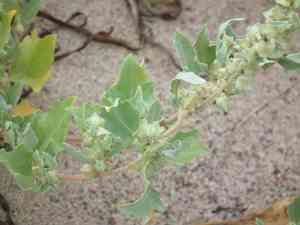
1
Abundant in vital elements crucial for general well-being.
2
Aids in stopping soil degradation because of its strong root network.
3
Provides a significant food source for livestock.
What Makes Frosted orache Nutritious?
Rich in Nutrients
Leafy greens are often praised for their nutritional density, and Frosted orache is no exception. This plant is abundant in vital vitamins and minerals like vitamin A, vitamin C, calcium, and iron. These elements are crucial for maintaining proper bodily functions, including vision, immune response, bone strength, and oxygen transport.
High in Antioxidants
Frosted orache also contains many antioxidants, which help fight damaging free radicals in the body. Antioxidants are essential for reducing oxidative stress, which can otherwise lead to chronic illnesses and premature aging. Including Frosted orache in your diet can therefore support overall health and longevity.
How Frosted orache Benefits the Environment
Prevention of Soil Erosion
Frosted orache possesses a strong root system that effectively stabilizes soil, making it an excellent plant for preventing soil erosion. This characteristic is particularly advantageous in areas prone to soil degradation, as it helps preserve soil integrity and fosters a healthier ecosystem.
Improves Soil Quality
Beyond preventing erosion, Frosted orache also contributes to enhancing soil quality. The plant is known to add organic matter to the soil as it breaks down, enriching the soil with vital nutrients. This not only boosts soil fertility but also benefits subsequent plants grown in the enriched soil.
Can Frosted orache Serve as Forage for Animals?
Nutritional Forage
Animal foraging is a key aspect of sustainable agriculture, and Frosted orache offers a valuable source of nutrition for livestock. The leaves and stems of Frosted orache are rich in protein and other essential nutrients, making it a beneficial addition to animal diets.
Easy to Cultivate
Frosted orache is relatively simple to grow, requiring minimal resources while yielding a substantial harvest. This trait makes it an ideal candidate for use in forage systems, as it can be cultivated in various climates and soil types with minimal input.
Is Frosted orache Versatile in Its Uses?
Culinary Applications
Frosted orache can be incorporated into a variety of culinary dishes, providing a unique flavor and nutritional boost. Its leaves can be sautéed, added to soups, or blended into smoothies, offering flexibility in meal preparation. This makes it a valuable addition to any kitchen, especially for those seeking to include more greens in their diet.
Sustainable Crop
In addition to its culinary uses, Frosted orache is considered a sustainable crop due to its low water requirements and resilience in challenging conditions. This makes it an ideal plant for sustainable farming practices, contributing to food security and environmental preservation.
How to Cultivate Frosted orache Successfully?
Growing Conditions
Frosted orache thrives in well-drained soil and can withstand a range of environmental conditions, making it relatively easy to cultivate. The plant prefers sunny locations but can also grow in partial shade, adapting well to different garden arrangements.
Care and Maintenance
Caring for Frosted orache involves consistent watering, especially during dry periods, and occasional trimming to encourage robust growth. The plant is resistant to most common pests and diseases, requiring minimal intervention beyond basic care.



