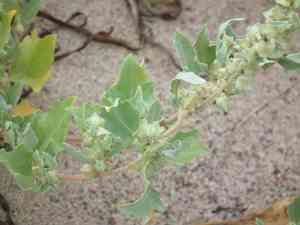
Frosted orache (Atriplex laciniata)
Also known as: Sea Orache
The frosted orache is an annual herb with a distinctive whitish-silvery appearance. Its mostly branched, ascending stem generally measures between 20 to 30 centimeters, though it can occasionally reach up to 60 centimeters. The branches are smooth or slightly ridged and have a reddish-yellow hue. The leaves are alternately arranged along the stem, except for the lowest ones.
In This Article
Attributes of Frosted orache
Lifespan
Annual
Plant Type
Herb
Plant Height
10 m to 100 m
Spread
30-60 cm
Leaf Color
Silvery-green
Flower Size
Small, insignificant
Flower Color
Yellow Green Brown
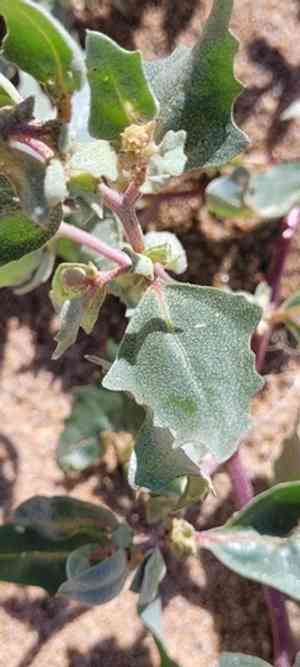
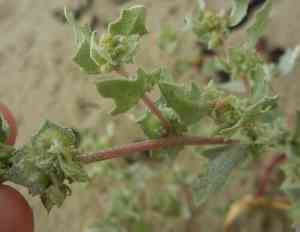
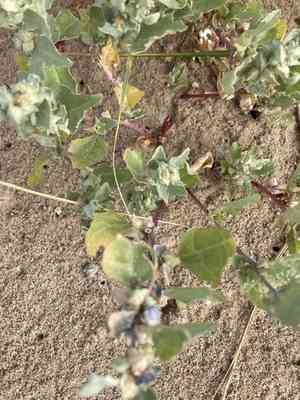
Images of Frosted orache

Quickly Identify Frosted orache
1
Look for its deeply lobed, succulent leaves that are often silvery-green in color. The plant typically grows prostrate or semi-erect and can form dense patches.
Scientific Classification of Frosted orache
Phylum
Vascular plants
Class
Dicotyledons
Order
Caryophyllales
Family
Amaranth
Genus
Saltbush
Species
Frosted orache
Planting and Growing of Frosted orache
Care Difficulty
Easy
Watering Schedule
Every 2 days
Sunlight Requirements
Full sun
Sunshine Duration
6-10 hours
Ideal Temperature
60-77℉
Soil Type
Potting Mix, Peat Mix
Soil pH
6.5-7.5
Fertilizer Type
Balanced
Pruning Season
Spring, Summer
Pruning Area
Branches, Leaves
Pruning Frequency
2 times a year
Repotting Season
Spring
Pot Type
Plastic, Ceramic
 How to Water Frosted orache?
For Atriplex laciniata, the watering amount follows the principle of ensuring the soil is moist but not waterlogged. When watering, aim to apply approximately 250 ml of water, which is enough to reach the root zone but ensures excess doesn't pool around the plant.
What are the symptoms of an underwatered Frosted orache?
›
What should I do if my Frosted orache is not getting enough water?
›
What are the symptoms of an overwatered Frosted orache?
›
How to save an overwatered Frosted orache?
›
 What Are the Sunlight Requirements for Frosted orache?
Atriplex laciniata benefits from full-day sunlight exposure, optimally situated for 6-8 hours of daily light. This supports vigorous leaf production and overall plant vitality, reducing disease susceptibility.
What type of sunlight is ideal?
›
How can I achieve this ideal lighting?
›
What benefits arise from ideal lighting?
›
 What Is the Ideal Temperature Range for Frosted orache?
Atriplex laciniata thrives best in moderate climates with temperatures ranging from 60 to 77°F. This range provides optimal conditions for photosynthesis and growth, ensuring healthy foliage and proper development of the plant. Maintaining this temperature helps prevent stress and supports robust plant health.
 What Soil is Best for Frosted orache?
Atriplex laciniata thrives in well-drained soil, as excessive moisture can lead to root rot. Proper drainage helps ensure that roots get the oxygen they need, preventing diseases and promoting healthy growth. This plant requires a soil environment with moderate nutrient levels. Over-fertilization can harm its growth, while balanced nutrients support robust foliage and flower development. Atriplex laciniata benefits from a loose soil structure, which facilitates root expansion and access to essential nutrients. Such a physical composition aids in robust root development and overall plant health.
 How to Fertilize Frosted orache?
For Atriplex laciniata, the recommended amount of fertilizer depends on the type used. Liquid fertilizer should be diluted to half its strength to avoid burning the roots and applied evenly to the soil, covering an area of about one square meter with each dose. Granular or slow-release fertilizers should be gently incorporated into the soil, ensuring the granules are not concentrated around the base of the plant and covering the plant's drip line.
 How to Prune Frosted orache?
Start by identifying and removing any dead or damaged stems. Cut these back to the base to promote the emergence of new, healthy growth. This helps the plant focus energy on thriving sections. Selectively prune to thin out any overcrowded areas. This improves light penetration and air circulation, which are crucial for preventing mildew and promoting healthy growth patterns. Trim the outer sections to shape the plant aesthetically. Follow the natural form of the plant as a guide to ensure it retains its natural beauty and doesn’t look overly manicured.
More About Pruning Techniques→
 How to Propagate Frosted orache plant?
1
To propagate Atriplex laciniata from seed, fill seed trays with a well-draining, sandy soil mix. Sow seeds on the surface and cover lightly with soil. Keep the seeds moist until germination.
2
Choose a healthy, mature Atriplex plant and cut a 4-6 inch long stem section. Ensure the cutting has at least a few leaves and no flowers. Remove leaves from the lower part.
3
Dip the cut end of the stem in rooting hormone and plant it in a pot filled with a sandy soil mix. Keep the cuttings in a warm, shady area and mist regularly to maintain humidity.
 How to Repot Frosted orache plant?
1
The ideal time to repot Atriplex laciniata is when you observe significant root growth escaping from the drainage holes, or when the plant appears undernourished despite regular feeding. These are strong indicators that your plant has outgrown its current container.
2
Select a pot that is one to two inches larger in diameter than the current one. This allows the roots room to grow without overwhelming the plant. Additionally, ensure the pot has adequate drainage to prevent root rot, which is essential for the well-being of Atriplex laciniata.
3
Opt for well-draining sandy soil that mimics the plant’s natural habitat. This type of soil prevents waterlogging, ensuring healthy root development. It is essential for maintaining the plant's vigor and supporting its salt-tolerance characteristics.



