How to Prune Rusby's milkweed?
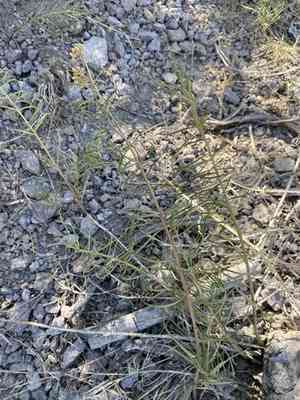
Asclepias rusbyi, recognized for its groupings of vivid blossoms and appeal to butterflies, thrives with trimming in the initial part of spring or the latter part of winter. Essential methods involve severing aged stalks to stimulate fresh development and eliminating ailing or compromised sections to preserve well-being. Trimming additionally aids in managing stature and form, improving air movement. Particular points to consider encompass refraining from excessive cutting to safeguard crucial components and fostering a vigorous flowering period. Pruning contributes to a more robust, aesthetically pleasing specimen.
What Are the Benefits of Pruning Rusby's Milkweed?
What Are the Benefits of Pruning Rusby's Milkweed?
Consistent trimming of rusby's milkweed promotes vigorous development and an ideal form. Eliminating dead or crowded stems enhances air flow, lowering disease risk and fostering healthier blooms. This also prevents the plant from becoming overly leggy.
What Is the Best Time for Pruning Rusby's Milkweed?
What Is the Best Time for Pruning Rusby's Milkweed?
Trimming rusby's milkweed in late winter to early spring is optimal as it coincides with the plantâs dormant phase. During this period, the plant is not actively growing, which minimizes stress and lowers disease susceptibility. Furthermore, pruning before new growth begins ensures the plant can allocate all its energy to robust new shoots. This timing also prepares the plant for a prolific flowering season, as rusby's milkweed typically blossoms in the summer months. Avoiding pruning during active growth or blooming helps preserve its health and visual appeal.
What Tools Do I Need to Prune Rusby's Milkweed?
Hand Pruners
Perfect for making clean cuts on thinner stems of rusby's milkweed. Hand pruners are easy to manage, provide precise cuts, and are suitable for routine upkeep.
Bypass Pruners
These are especially effective for cutting live branches without crushing them. Their scissor-like action is ideal for the soft, green stems of rusby's milkweed.
Pruning Shears
Useful for making quick, accurate cuts on multiple stems or stem clusters, this tool efficiently handles the bushy growth habit seen in rusby's milkweed.
Pruning Saw
For thicker or tougher branches that might appear occasionally, a small pruning saw ensures a clean cut without harming the plant.
Gloves
Crucial for protecting hands from potential irritants while handling rusby's milkweed, gloves also offer improved grip on tools for safer pruning.
How to Prune Rusby's Milkweed
Inspection
Carefully examine rusby's milkweed to pinpoint diseased and withered leaves. Ensure you assess the plant's overall health before proceeding.
Sanitization
Disinfect your pruning tools with rubbing alcohol or a mild bleach solution to prevent the spread of pathogens.
Removal
Gently take off the identified diseased leaves by cutting at the base of the leaf stem, making sure not to harm the healthy parts of rusby's milkweed.
Disposal
Discard the diseased leaves carefully, preferably by burning or sealing them in a plastic bag to prevent disease transmission.
Final check
Perform a final inspection to ensure all withered and diseased leaves are gone, promoting better air circulation and healthier growth for rusby's milkweed.
Common Pruning Mistakes with Rusby's Milkweed
Over-pruning
Removing too much foliage or cutting back branches excessively can weaken rusby's milkweed and hinder its growth. This error can also diminish the plant's capacity to produce flowers.
Pruning at the wrong location
Cutting at incorrect points on the plant, such as above a leaf node or too far from a bud, can lead to dieback and increase disease risk.
Using dirty or dull tools
Employing unclean or blunt pruning tools can introduce pathogens to rusby's milkweed and cause jagged cuts that take longer to heal.
Pruning too frequently
Trimming too often can stress rusby's milkweed, resulting in reduced vigor and poor blooming. It's important to allow the plant to recover between pruning sessions.
Common Pruning Tips for Rusby's Milkweed
Sanitize tools
Always use clean, sharp pruning shears to ensure precise cuts and minimize the risk of disease introduction.
Prune lightly
Trim only the necessary parts of rusby's milkweed to maintain shape and encourage new growth. It's best to focus on removing damaged, dead, or diseased stems.
Cut at the right angle
Make cuts at a 45-degree angle just above a leaf node or bud. This promotes proper healing and directs growth outward.
Inspect regularly
Keep an eye on rusby's milkweed to identify damaged or unhealthy areas early, allowing for prompt and targeted pruning.



