How to Propagate Rusby's milkweed?
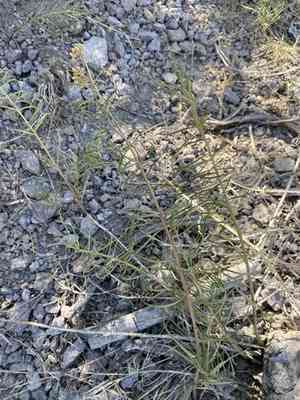
Asclepias rusbyi flourishes in soil that drains effectively, preferably with ample sunlight. For propagation, plant seeds directly into the ground, making sure they remain damp until sprouting occurs. To boost the success rate of germination, cold-stratify the seeds by refrigerating them for several weeks prior to sowing. Keep the soil moderately hydrated, but prevent excessive watering to avert root decay.
When Is the Best Time to Propagate Rusby's Milkweed?
Propagation Type
Seeding
Propagation Season
Spring
What Tools Are Used in Rusby's Milkweed Propagation?
Seed Trays
Seed trays offer an ideal setting for initiating rusby's milkweed seeds. They provide ample room and drainage for seedlings to form robust roots, which is vital for early development.
Potting Mix
Employing a well-draining potting mix is crucial for rusby's milkweed to avert waterlogging and guarantee proper root growth. A mix specifically designed for seed starting will supply the necessary nutrients and aeration.
Humidity Dome
A humidity dome assists in sustaining consistent moisture and temperature, which is essential for the germination of rusby's milkweed seeds. This ensures a higher germination rate and healthier seedlings.
Heating Mat
A heating mat delivers bottom warmth, which benefits the germination of rusby's milkweed by maintaining an optimal temperature range. Consistent warmth accelerates germination and fosters vigorous growth.
Labeling Stakes
Labeling stakes are important for tracking the various stages and types of rusby's milkweed being propagated. Clear labeling ensures proper care and monitoring of each seedling batch.
Watering Can with Fine Rose
A watering can with a fine rose attachment helps provide a gentle, even distribution of water, which prevents soil disturbance and seed displacement that can harm rusby's milkweed seedlings.
Grow Lights
Grow lights are essential, particularly if natural sunlight is insufficient. They provide the necessary light spectrum for the healthy development of rusby's milkweed seedlings, ensuring sturdy and stocky growth.
Spray Bottle
A spray bottle is useful for misting the surface of the soil to keep it consistently moist without overwatering. This delicate moisture balance is crucial for the germination of rusby's milkweed.
Seed Starting Fertilizer
A mild, water-soluble fertilizer formulated for seedlings provides essential nutrients during the early growth stages of rusby's milkweed, promoting robust and healthy seedling development.
How to Propagate Rusby's Milkweed?
Propagation Type
Simple
How to Care for Your Newly Propagated Rusby's Milkweed?
How to Care for Your Newly Propagated Rusby's Milkweed?
Once germinated, transfer the seedlings into individual containers when they have at least two true leaves. Gradually introduce them to outdoor conditions before planting them in their permanent spot. Ensure they are placed in a sunny area with well-draining soil. Water regularly but avoid saturating the soil. Apply mulch around the plants to retain moisture and control weeds. Protect young plants from pests, and watch for any signs of disease.
Common Mistakes to Avoid When Propagating Rusby's Milkweed
Overwatering
This can lead to root rot, which is particularly detrimental to rusby's milkweed because it prefers well-draining soil.
Incorrect soil type
Using soil that retains too much moisture can hinder the growth of rusby's milkweed, as it thrives in well-drained, sandy or loamy soils.
Lack of sunlight
Rusby's milkweed requires full sun for optimal growth. Insufficient light can stunt its growth and reduce its vitality.
Planting too deep
Planting rusby's milkweed too deep can cause stem rot and impede its ability to establish properly.
Neglecting pest control
Ignoring potential pests, such as aphids or milkweed beetles, can harm rusby's milkweed during its vulnerable propagation phase.
Tips For Propagating Rusby's Milkweed
Use well-draining soil
Ensure that the soil mix is sandy or loamy to prevent waterlogging and root rot.
Maintain adequate watering
Water the plant just enough to keep the soil moist but not soggy, especially during the initial stages.
Provide full sunlight
Place rusby's milkweed in a location where it will receive at least six hours of direct sunlight daily.
Proper planting depth
Plant rusby's milkweed at the correct depth, ensuring the crown is just above the soil surface to prevent stem rot.
Monitor and control pests
Regularly check for pests and use natural or chemical remedies as needed to protect young plants from damage.



