How to Prune Nodding milkweed?
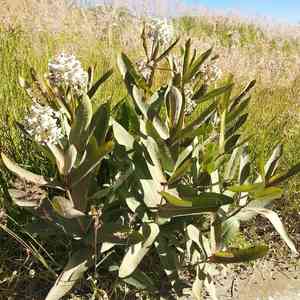
Nodding milkweed, recognized for its drooping blossoms and delicate stalks, thrives with trimming performed in early spring or late winter. To improve air circulation and light penetration, eliminate any frail, injured, or intersecting branches. Reducing the plant to a third of its height stimulates vigorous new development and preserves its form. Deadheading spent flowers after blooming encourages additional flowering and seed generation. Appropriate timing and method enhance the plant's general well-being and visual attractiveness.
What Are the Benefits of Pruning Nodding Milkweed?
What Are the Benefits of Pruning Nodding Milkweed?
Trimming nodding milkweed encourages robust development and maintains its form. It enhances air circulation, lowers pest risks, and fosters healthier stem growth. Regular cutting also improves the plant's visual appeal and keeps it manageable.
What Is the Best Time for Pruning Nodding Milkweed?
What Is the Best Time for Pruning Nodding Milkweed?
Trimming nodding milkweed in early spring or late winter is optimal as this period aligns with the plant's dormant phase. Pruning during dormancy minimizes stress and potential harm to the plant, allowing it to recover and prepare for vigorous spring growth. Furthermore, this timing ensures that pruning does not disrupt flowering or fruiting cycles, promoting healthy blooms and overall plant vitality.
What Tools Do I Need to Prune Nodding Milkweed?
Sharp Bypass Pruners
These are perfect for making clean cuts on young, delicate stems and leaves of nodding milkweed. They help prevent stem crushing and encourage healthy new growth.
Anvil Pruners
Useful for cutting through tougher, thicker stems of nodding milkweed. The cutting action of an anvil pruner aids in achieving the precise cut needed for maintaining the plant's well-being.
Pruning Shears
These are essential for more general upkeep tasks, such as deadheading spent flowers or trimming finer growth. Their precision helps in managing the delicate parts of nodding milkweed.
How to Prune Nodding Milkweed
Inspect
Thoroughly examine nodding milkweed for any indications of diseased or withered foliage. Look for discoloration, spots, or wilting.
Sanitize
Clean your pruning implements with disinfectant to prevent disease transmission. Ensure tools are sharp for accurate cuts.
Remove Diseased Leaves
Carefully trim away any diseased leaves by cutting just below the affected area, making sure to remove all parts showing disease symptoms.
Remove Withered Leaves
Cut away any withered leaves at their base, taking care not to harm the healthy sections of the plant.
Dispose
Discard all pruned leaves in sealed bags to prevent any potential spread of disease. Do not compost diseased materials.
Common Pruning Mistakes with Nodding Milkweed
Overpruning
Excessively cutting back nodding milkweed can lead to reduced blooming and stressed plants. It's crucial not to remove too much foliage at once.
Incorrect Technique
Using dull or dirty tools can create jagged cuts that expose nodding milkweed to infections. Employing improper cutting methods also risks damaging the plant.
Pruning at the Wrong Node
Cutting too far from the node or through the middle of a stem can hinder proper regrowth and result in unsightly dead stubs.
Ignoring Dead or Diseased Parts
Failing to remove dead or diseased sections promptly can lead to the spread of infections and pests throughout nodding milkweed.
Pruning During Extreme Weather
Conducting pruning during periods of extreme heat or cold can stress nodding milkweed, making it more susceptible to damage and reducing its resilience.
Common Pruning Tips for Nodding Milkweed
Use Sharp and Clean Tools
Always use clean, sharp pruning shears to make precise cuts and reduce the risk of infection for nodding milkweed.
Prune Judiciously
Aim to remove no more than a third of the plant at a time. This helps maintain nodding milkweed's vigor and promotes healthy regrowth.
Cut at an Angle
Always make cuts at a 45-degree angle, just above the node. This technique encourages water runoff and helps prevent rot.
Focus on Dead or Diseased Branches
Regularly inspect and remove any dead, diseased, or damaged parts of nodding milkweed to promote overall plant health and prevent issues from spreading.
Inspect Regularly
Frequent inspections throughout the growing season can help you catch problems early and prune as necessary, maintaining nodding milkweed's health and aesthetics.



